The 2027 Hyundai Tucson isn’t just another mid-cycle refresh—it’s a loud declaration that the compact SUV segment is about to get a lot more interesting. Beyond its eye-catching, boxy redesign, Hyundai is betting big on space, technology, and electrification to win over a market that’s never been more competitive.
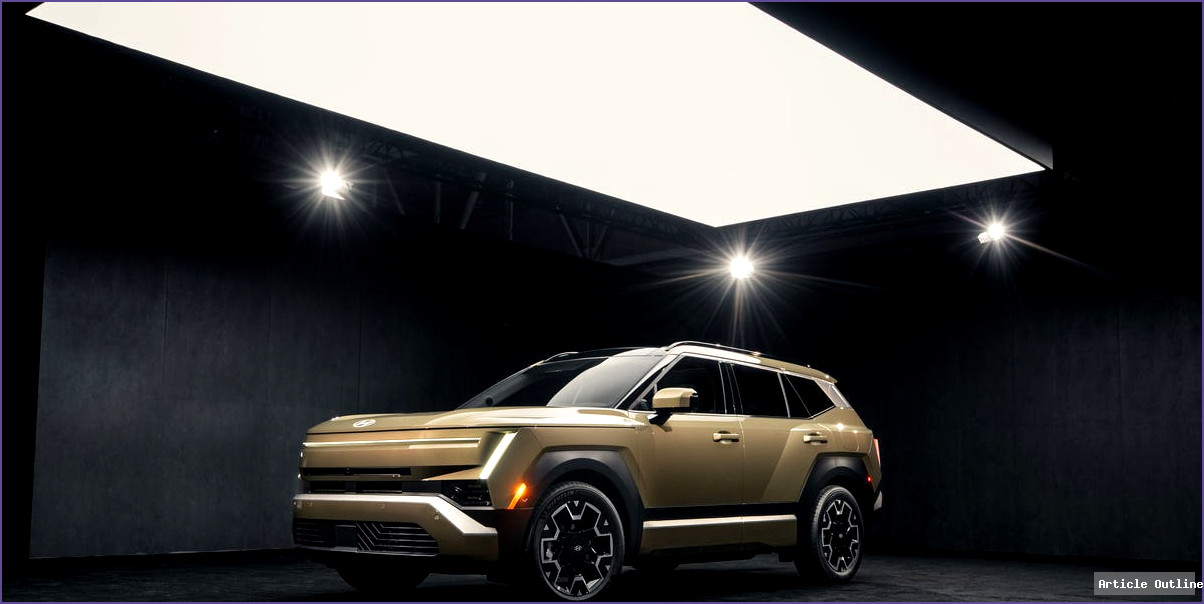
Let’s dig beneath the surface and see why this new Tucson might change what buyers expect from a compact crossover—and what most people are missing in the headlines.

Why This Matters
- The Tucson’s growth spurt isn’t just for show. At 42 cubic feet of cargo space and with more rear legroom, it’s redefining what “compact” actually means—making it a real threat to midsize rivals for families needing extra room.
- Hybrid leadership: The new hybrid’s 42 mpg combined (FWD) puts it at the top of the class, besting key competitors like the Honda CR-V Hybrid (40 mpg) and Toyota RAV4 Hybrid (40 mpg). That’s a huge deal for fuel-conscious buyers.
- Off-road ambitions: The new XRT Pro trim isn’t just a cosmetic package. With increased ground clearance, all-terrain tires, and real skid plates, Hyundai is chasing the Subaru Forester Wilderness and RAV4 TRD Off-Road—proof that the soft-roader wars are escalating.
What Most People Miss
- The shift to a turbocharged base engine is a quiet revolution. While it loses a smidge of horsepower compared to the outgoing 2.5L, the torque jump (195 lb-ft vs. 178) should make city driving snappier and more efficient.
- The interior tech leap: Hyundai’s new Pleos Connect infotainment with AI voice control is a direct shot at Ford’s SYNC and Toyota’s new multimedia systems. Plus, the retention of physical knobs means Hyundai respects real-world usability—a rare move as rivals go screen-only.
- No plug-in hybrid for now, but rumors swirl about a future range-extender model. This hints that Hyundai is keeping its eye on long-term electrification trends, not just today’s market.
Key Takeaways
- Bigger and bolder: The Tucson is no longer playing it safe. Its size and style are clear signals Hyundai wants to dominate the segment.
- Tech-forward, not tech-overwhelmed: By combining massive screens with tactile controls, Hyundai is finding the sweet spot between modern luxury and everyday ease-of-use.
- Hybrid supremacy: 42 mpg combined is industry-leading for non-plug-in compact SUVs. Add in 3,000 lbs of towing for the hybrid, and you’ve got a rare utility/fuel economy combo.
Context & Comparisons
- Size matters: Tucson’s 42 cubic feet of cargo puts it ahead of the Toyota RAV4 (37.6 cu ft) and Honda CR-V (39.2 cu ft). For urban families, that’s a game-changer.
- Off-road trims: The XRT Pro now challenges Subaru and Toyota in a segment obsessed with “adventure” styling—but offers real mechanical enhancements, not just plastic cladding.
- Infotainment wars: The move to larger, AI-enabled screens and unique digital gauge placement (near the windshield) indicates Hyundai is willing to experiment, not just follow.
Timeline: Tucson’s Recent Evolution
- 2022: Bold, angular redesign debuts
- 2024: Hybrid introduced, plug-in hybrid launched
- 2027: Full redesign, turbo base engine, hybrid upgrades, XRT Pro off-road model
Pros & Cons
- Pros:
- Class-leading interior space
- Best-in-class hybrid mpg (FWD)
- Innovative but practical tech
- Real off-road enhancements in XRT Pro
- Cons:
- No plug-in hybrid option (yet)
- Base engine may feel underpowered for enthusiasts
- Pricing details still under wraps
The Bottom Line
The 2027 Hyundai Tucson isn’t just another pretty face in a crowded field. It’s bigger, smarter, more efficient, and more adventurous—aimed at buyers who want it all, not just a bland commuter. If Hyundai can keep pricing competitive, expect this Tucson to set a new bar for what a compact SUV should deliver. The real question: How will rivals respond?