The 2027 Lotus Evija isn’t just another electric hypercar—it’s a statement about the future of performance, engineering innovation, and the changing priorities of the auto world. Packing a jaw-dropping 2012 horsepower and a lightweight chassis, Evija is rewriting the rules for electric supercars.
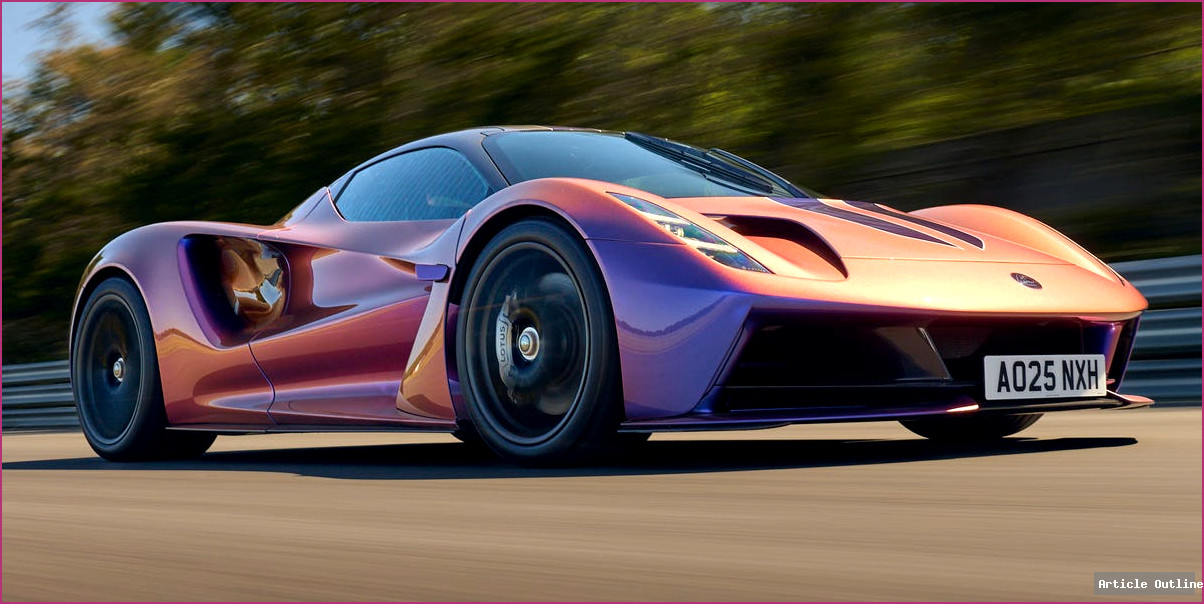
But let’s look beyond the headline specs. The Evija’s true impact goes deeper, raising questions about what defines a hypercar, who gets to drive the future, and how electrification might actually enhance driving passion instead of quashing it.
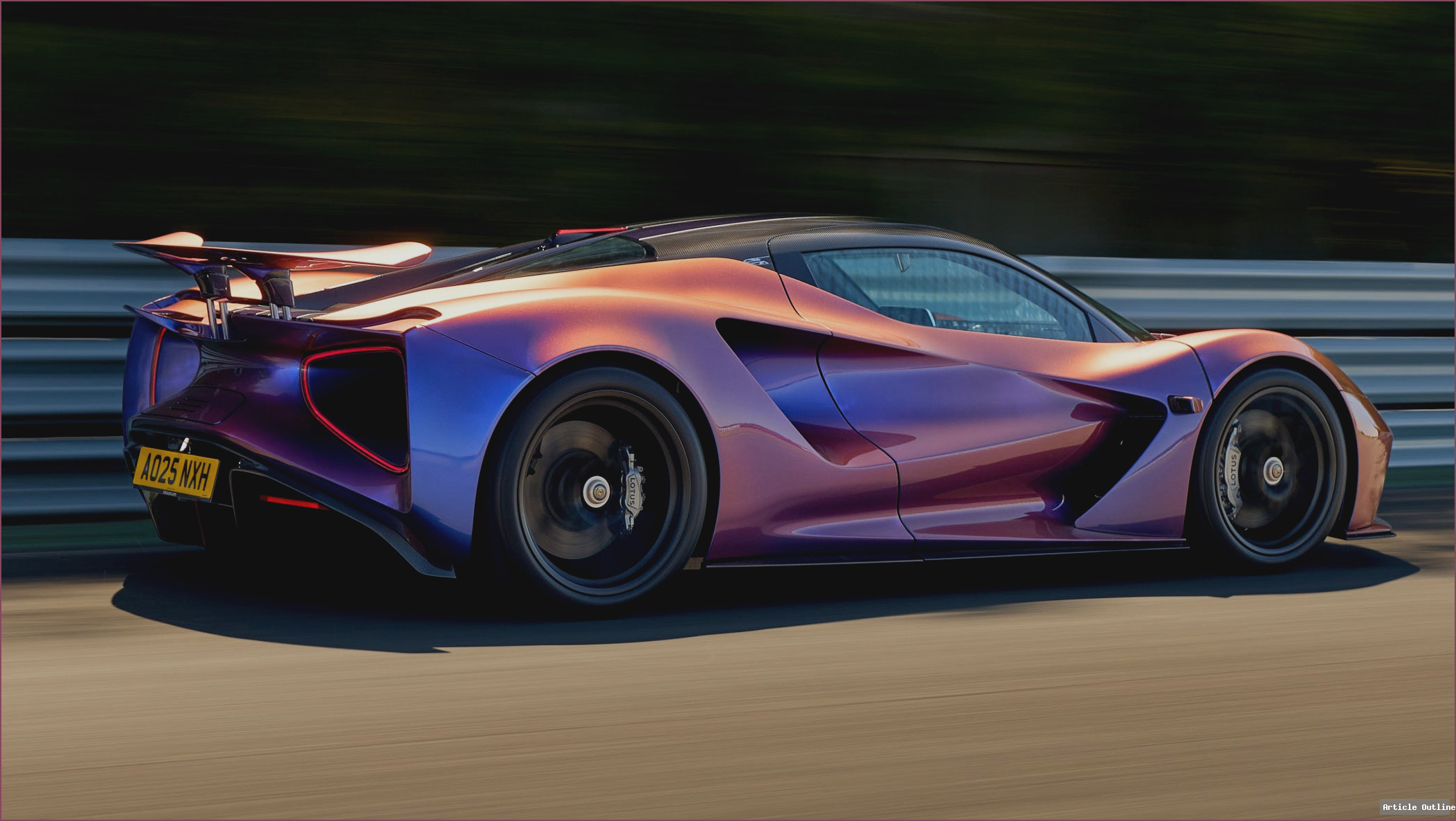
Why This Matters
- Redefining Performance: The Evija’s 1.8-second 0-60 mph sprint puts it toe-to-toe with the fastest cars ever built, electric or otherwise. It’s not just about speed—it’s about how EV tech is now dominating the most elite automotive categories.
- A New Kind of Lightweight: Lotus has built its legacy on lightweight sports cars. Fitting 4200 lbs of battery and motors into a hypercar that still feels nimble? That’s a technical marvel—and sets a benchmark for how EVs can stay true to sports car DNA.
- Exclusivity Gone Extreme: With a price tag near $2.7 million and no US street legality, the Evija is a rarefied experience for the ultra-wealthy. But it also hints at what will eventually trickle down to more attainable performance cars.
What Most People Miss
- It’s Not Just About Numbers: Everyone talks about 2012 hp, but the Evija’s hydraulic steering and modulated carbon-ceramic brakes offer a sensory driving experience that most EVs lack. This is Lotus refusing to let technology overtake driver engagement.
- Practicality Is Irrelevant: No trunk, no frunk, and a range that can vaporize in under 15 minutes at full tilt. The Evija isn’t pretending to be anything but an adrenaline machine for the track. It’s the anti-Tesla—no Autopilot, no lane-keeping, just pure focus on speed.
- Warranty and Service Are Bare Bones: Three years or 36,000 miles, with zero complimentary maintenance. This car is for the enthusiast who isn’t fazed by high upkeep or limited support—that’s a bold move in the hypercar world.
Key Takeaways
- Benchmark Performance: 0-60 mph in 1.8 seconds, 2012 hp, 217 mph top speed. The Evija sets a new EV hypercar standard, rivaling the Rimac Nevera and trouncing many gasoline legends.
- Ultra-Exclusive: Only for track use in the US, making it a collector’s showpiece and a demonstration of what’s possible when regulations are (mostly) ignored.
- Design Philosophy: Minimal cabin distractions, driver-focused controls, and a single digital display—proving that less tech can sometimes mean more connection with the machine.
Industry Context & Comparisons
- Rivals: Aston Martin Valhalla, Ferrari F80, McLaren W1, and Rimac Nevera. The Evija beats many of them on raw numbers but stands apart for its purist approach to driver involvement.
- EV Charging: 350-kW DC fast charging, 10-80% in 18 minutes. That’s fast by any standard, but real-world track use will drain the battery in a flash—highlighting the ongoing challenge of balancing performance and endurance.
- The EV Hypercar Trend: We’re witnessing a seismic shift: electric motors are now the darlings of hypercar engineering, with instant torque and unprecedented power. The Evija’s success will pressure legacy brands to electrify their flagship models (think Ferrari, Lamborghini, McLaren) sooner rather than later.
Timeline: How We Got Here
- 2019: Lotus unveils the Evija concept, signaling its intent to electrify.
- 2021: First track drives of the prototype. Early reviews hail its raw power.
- 2025-2027: Production ramps, minor refinements; no major changes for 2027, cementing the Evija’s design as an instant classic.
Pros and Cons
- Pros: Blistering performance, innovative engineering, pure driver experience, exclusivity, rapid charging.
- Cons: No road legality in the US, limited range in extreme conditions, minimal practicality, basic warranty, astronomical price.
The Bottom Line
The 2027 Lotus Evija isn’t trying to be the world’s best all-rounder. Instead, it’s a rolling laboratory for the future of speed, handling, and electric performance. It’s brutally fast, defiantly impractical, and laser-focused on the thrill of driving. If this is what the electric future looks like, we can’t wait for the trickle-down effect.