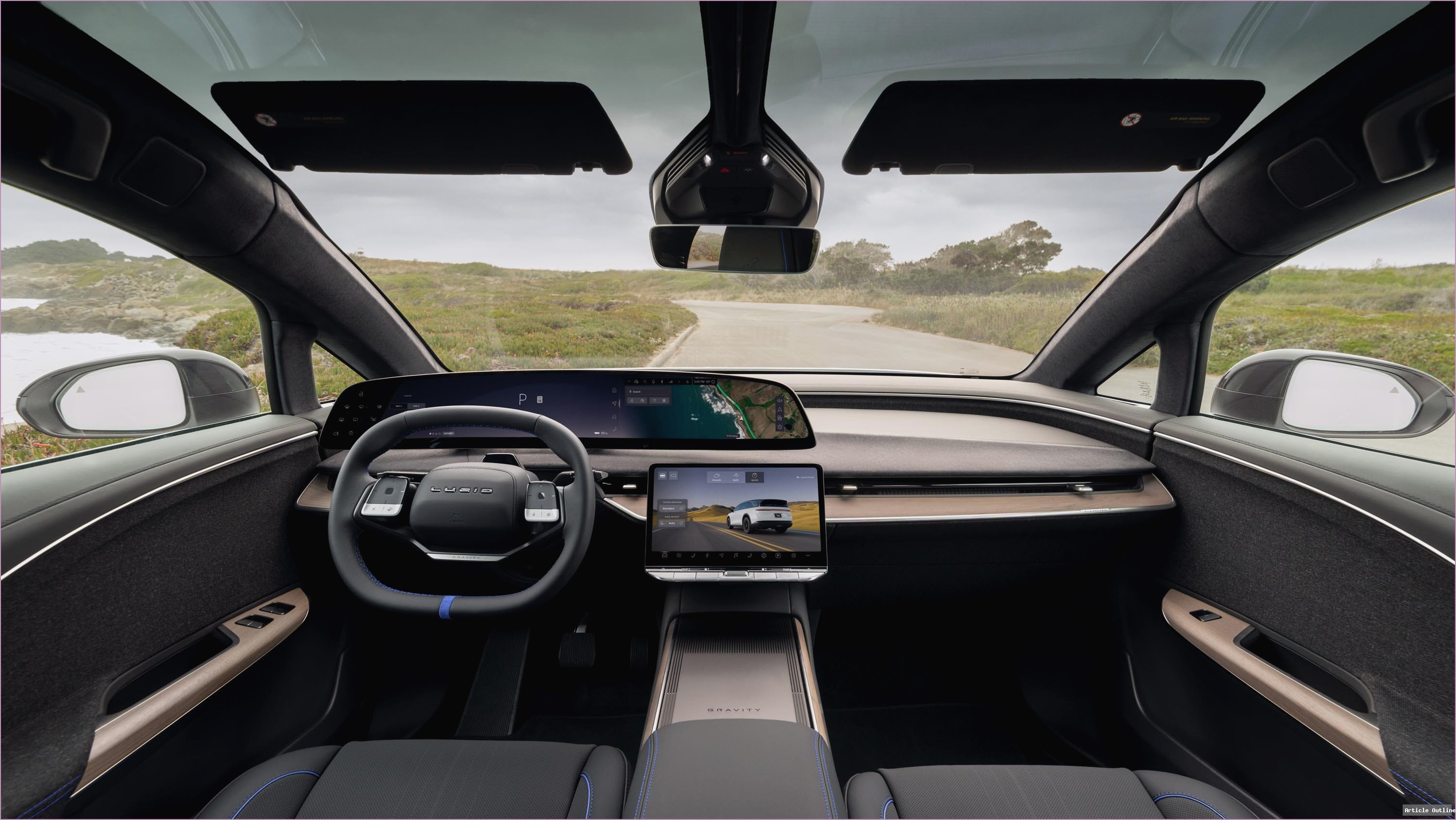
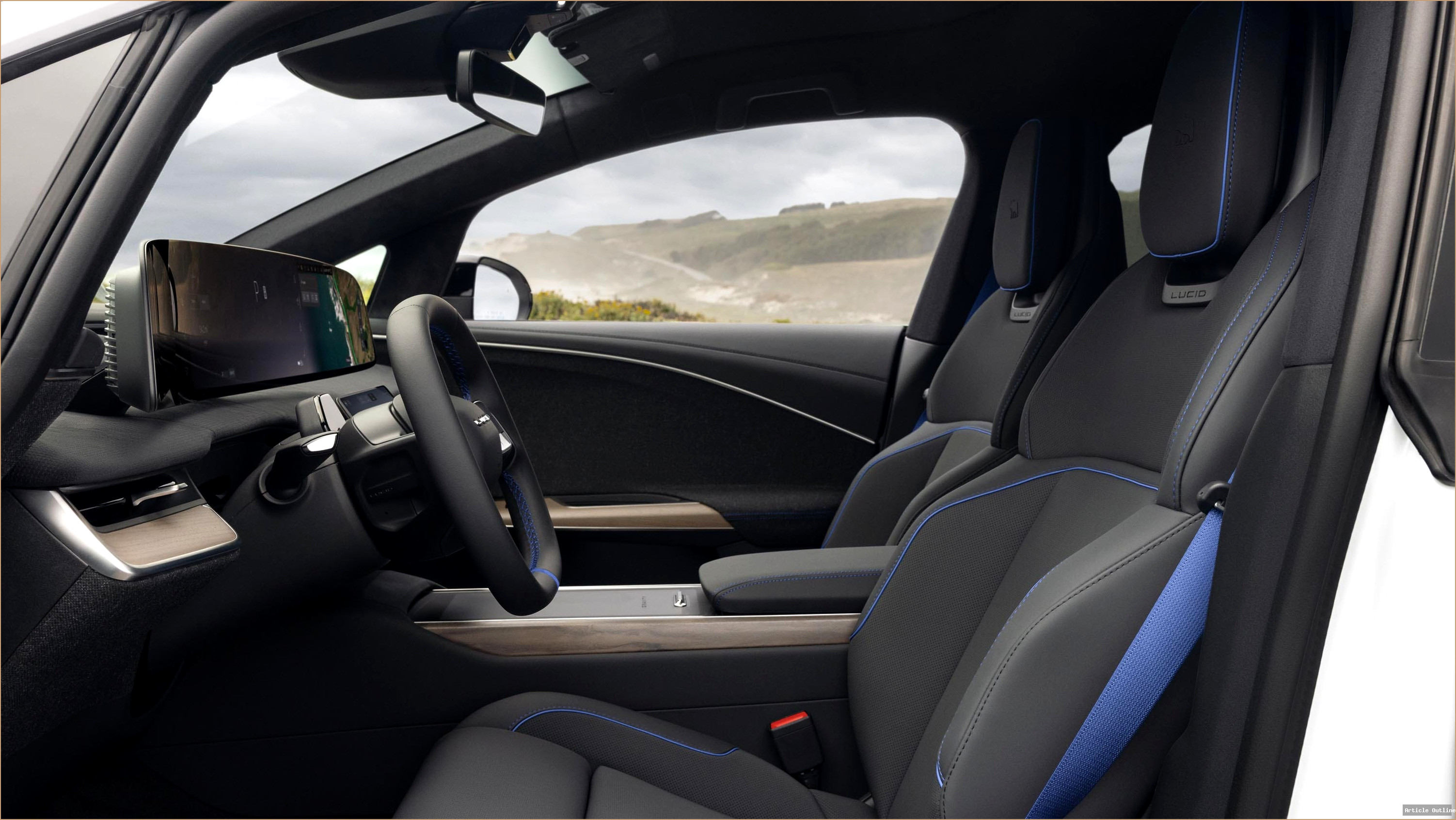
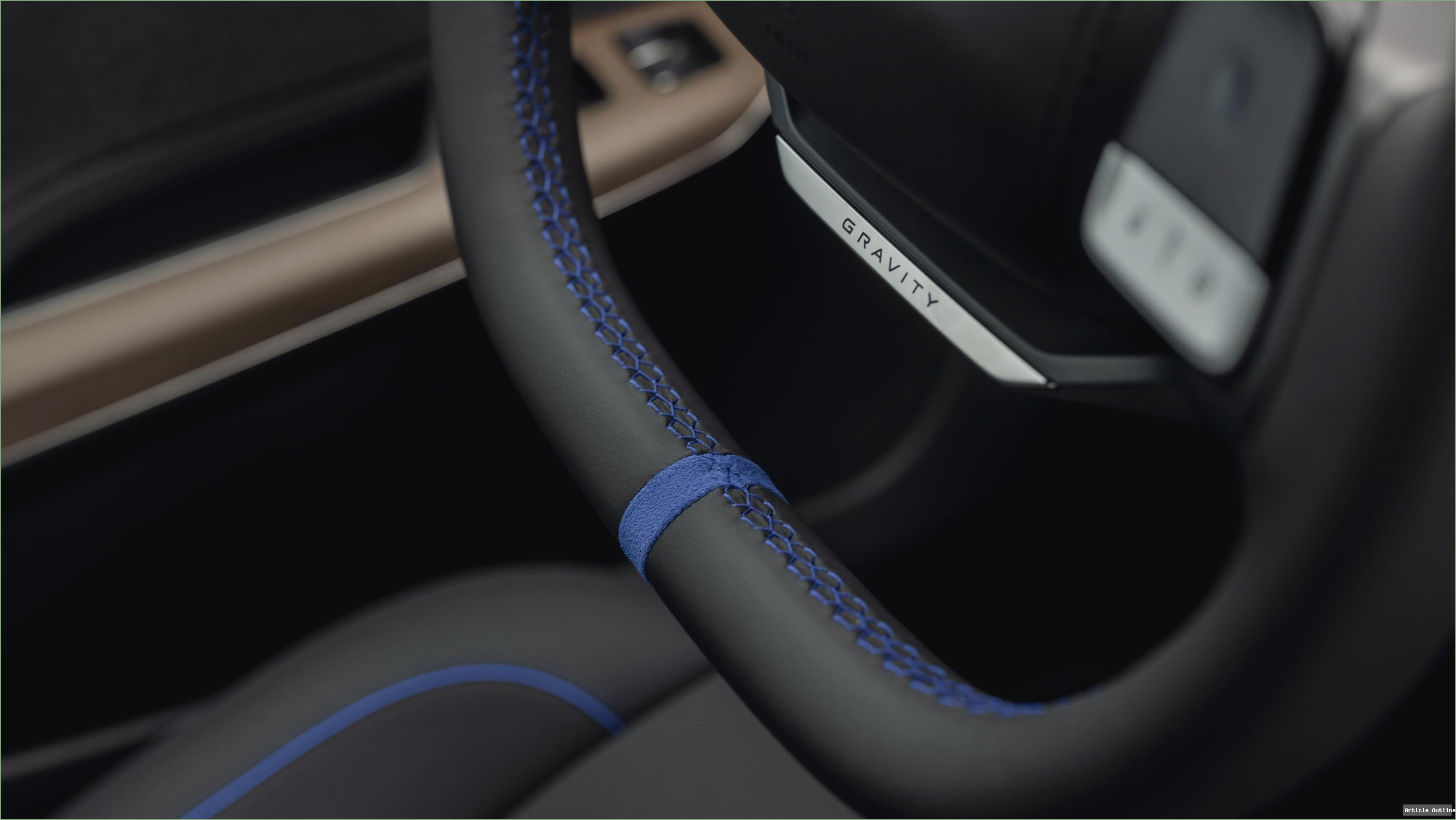
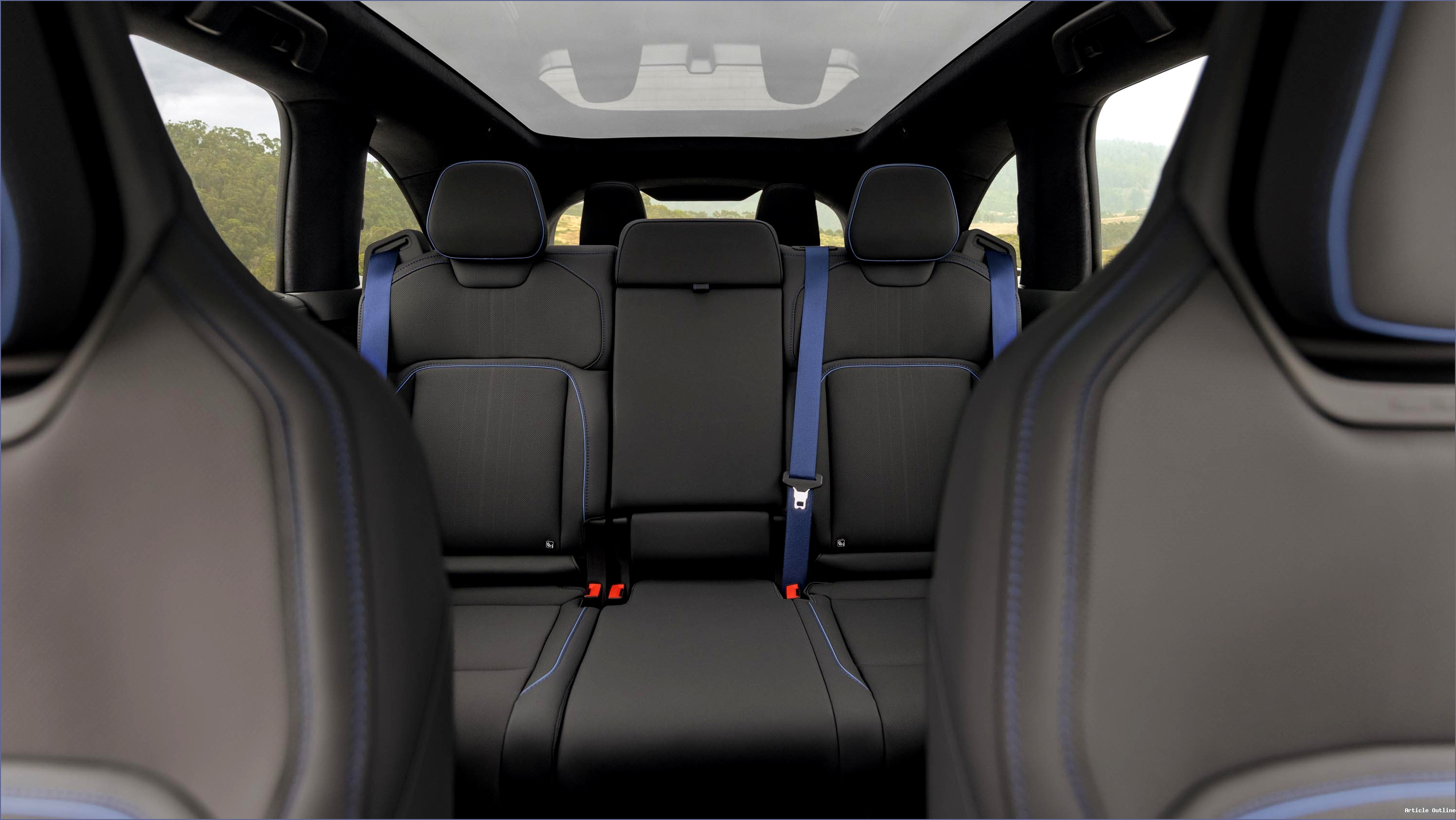
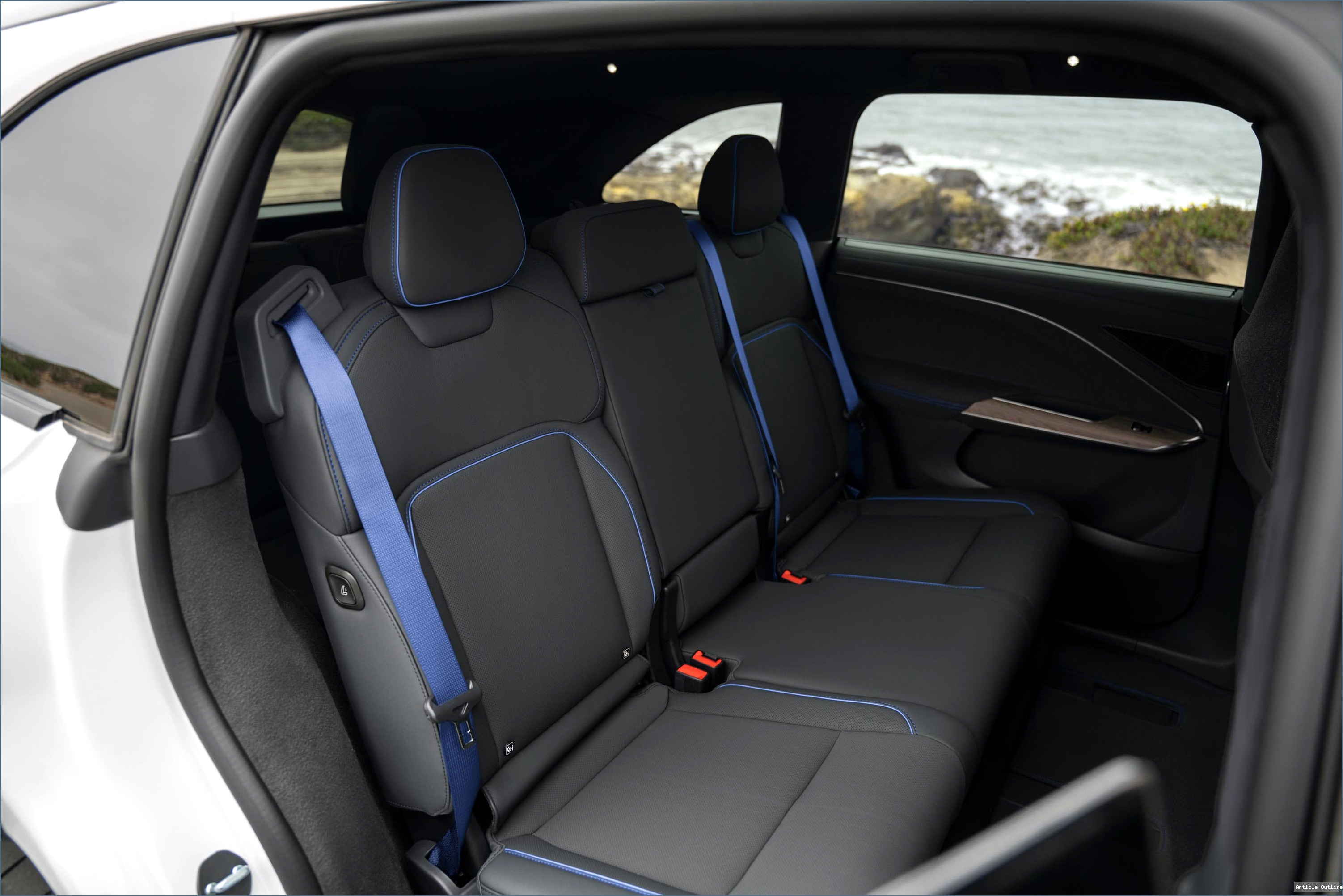
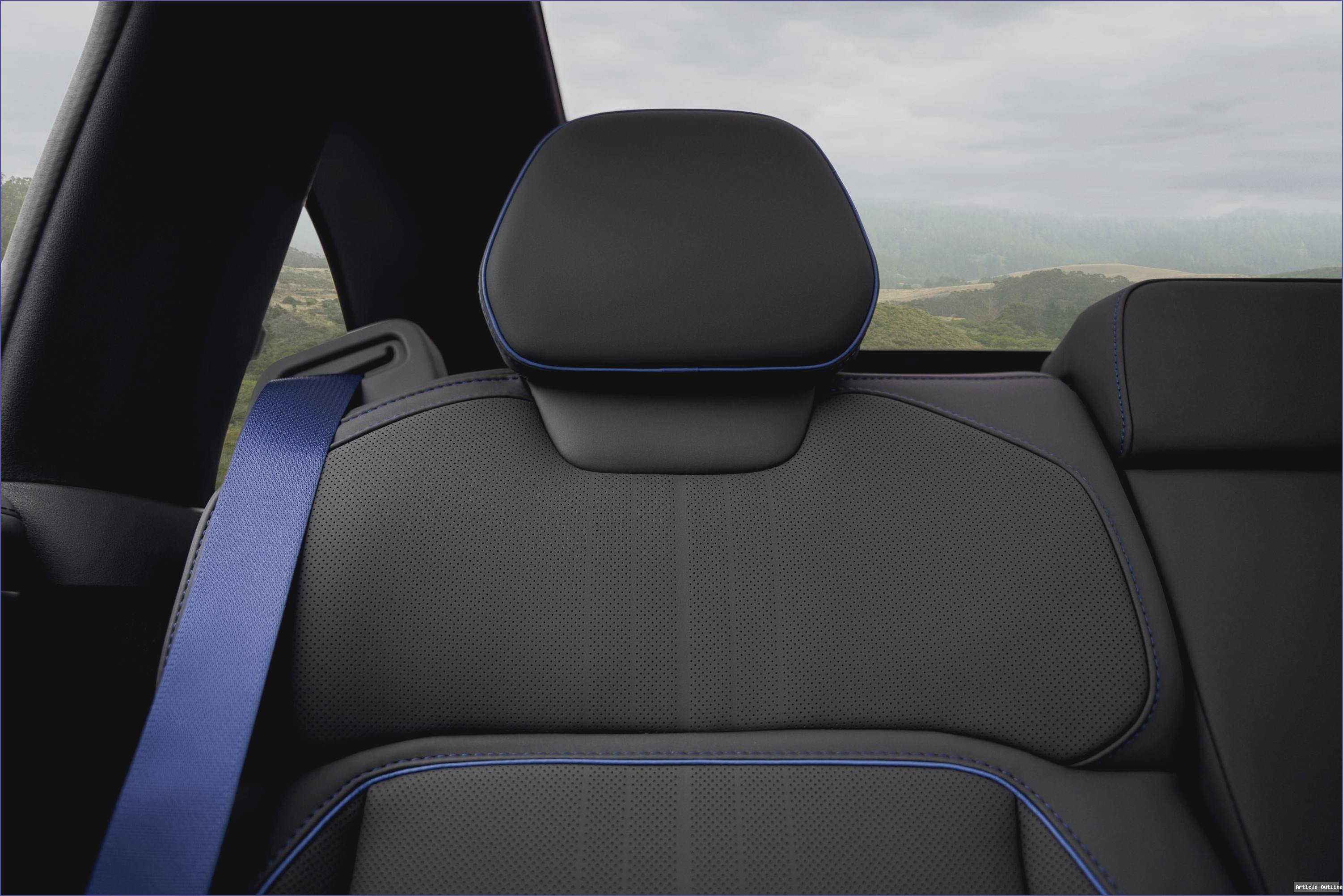
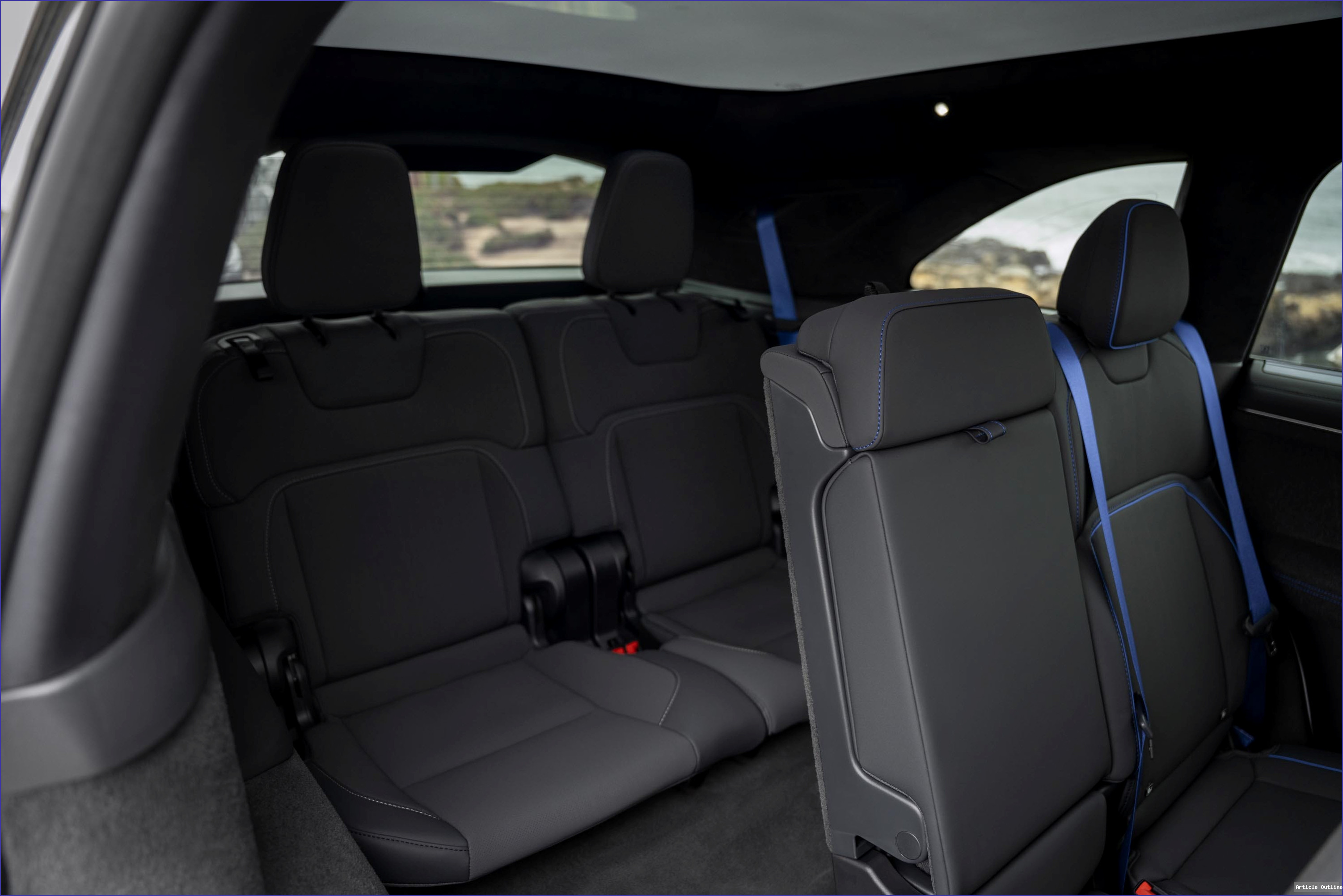
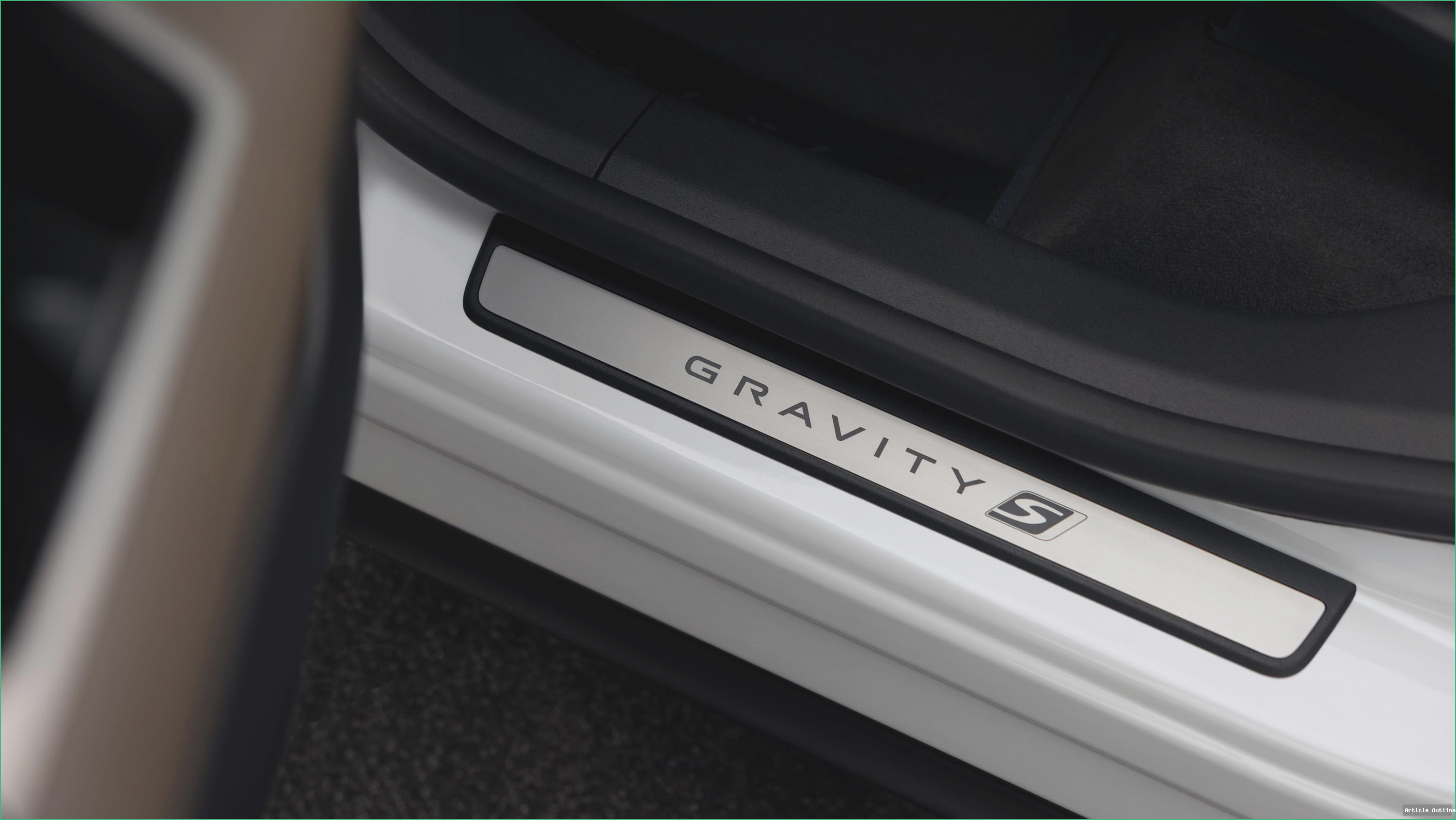
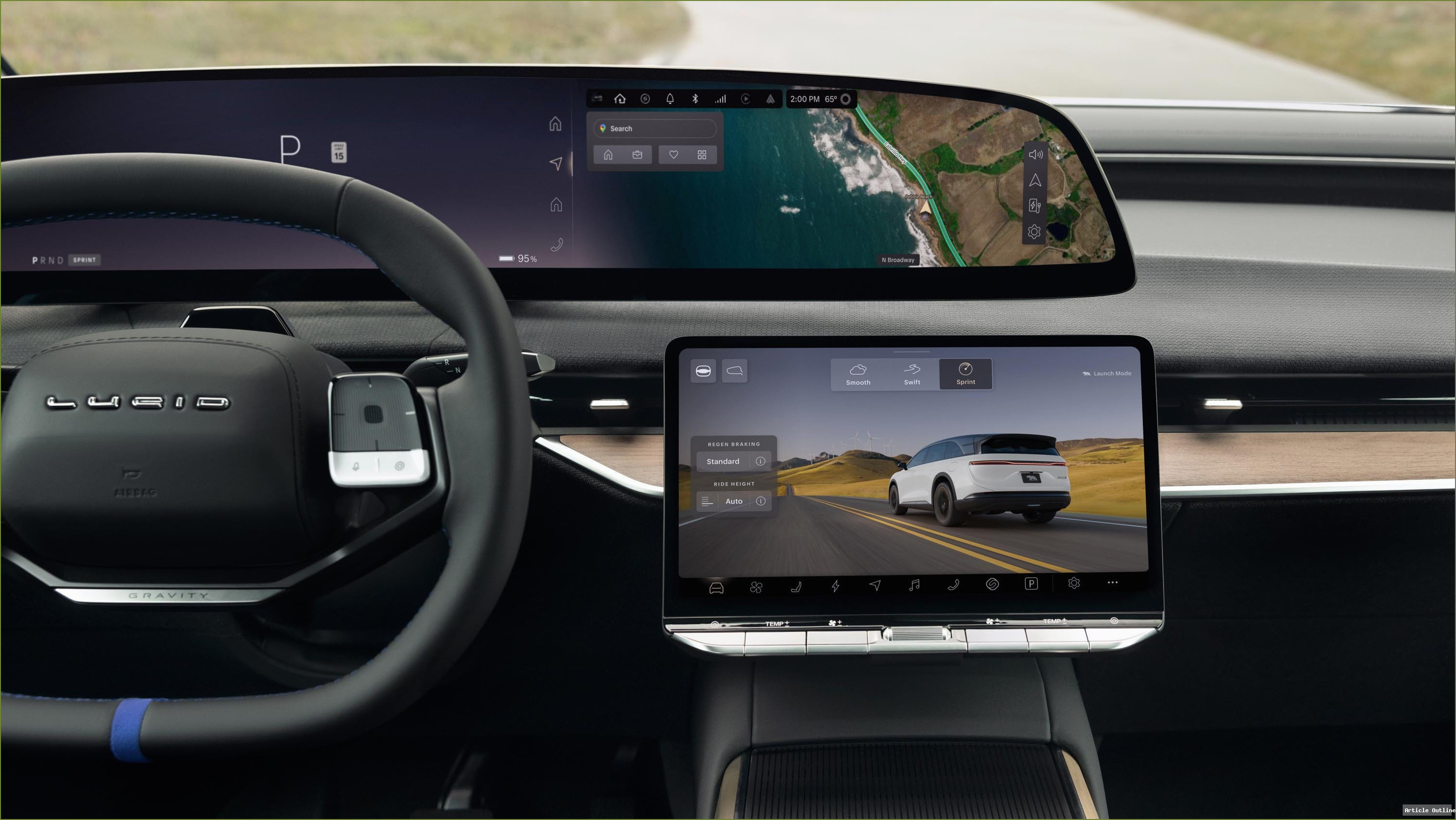
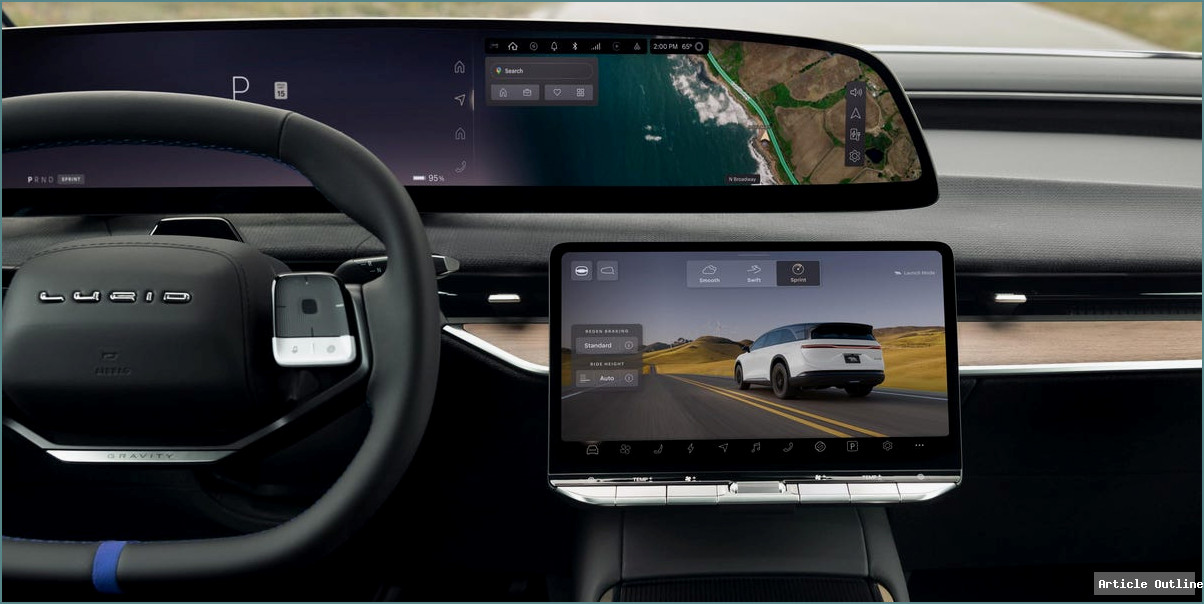
The 2027 Lucid Gravity GT-S isn’t just another luxury electric SUV—it’s an interior design statement that’s sparking serious conversation in the EV world. While most headlines fixate on Lucid’s performance numbers or the Gravity’s exterior, the real story is inside, where design, technology, and branding collide in fascinating ways.
Why This Matters
- Lucid is redefining what luxury means for electric SUVs. The Gravity GT-S interior isn’t just about plush materials—it’s about immersive brand storytelling and high-tech ambiance.
- The bold blue highlights aren’t just ‘on trend’; they signal a shift toward brand-driven, emotional design in EVs, reminiscent of how Tesla’s minimalist white interiors became instantly recognizable.
- Lucid’s Sapphire branding—previously reserved for its wildest sedans—now extends into the SUV space, showing the brand’s willingness to blur lines between luxury, performance, and family utility.
What Most People Miss
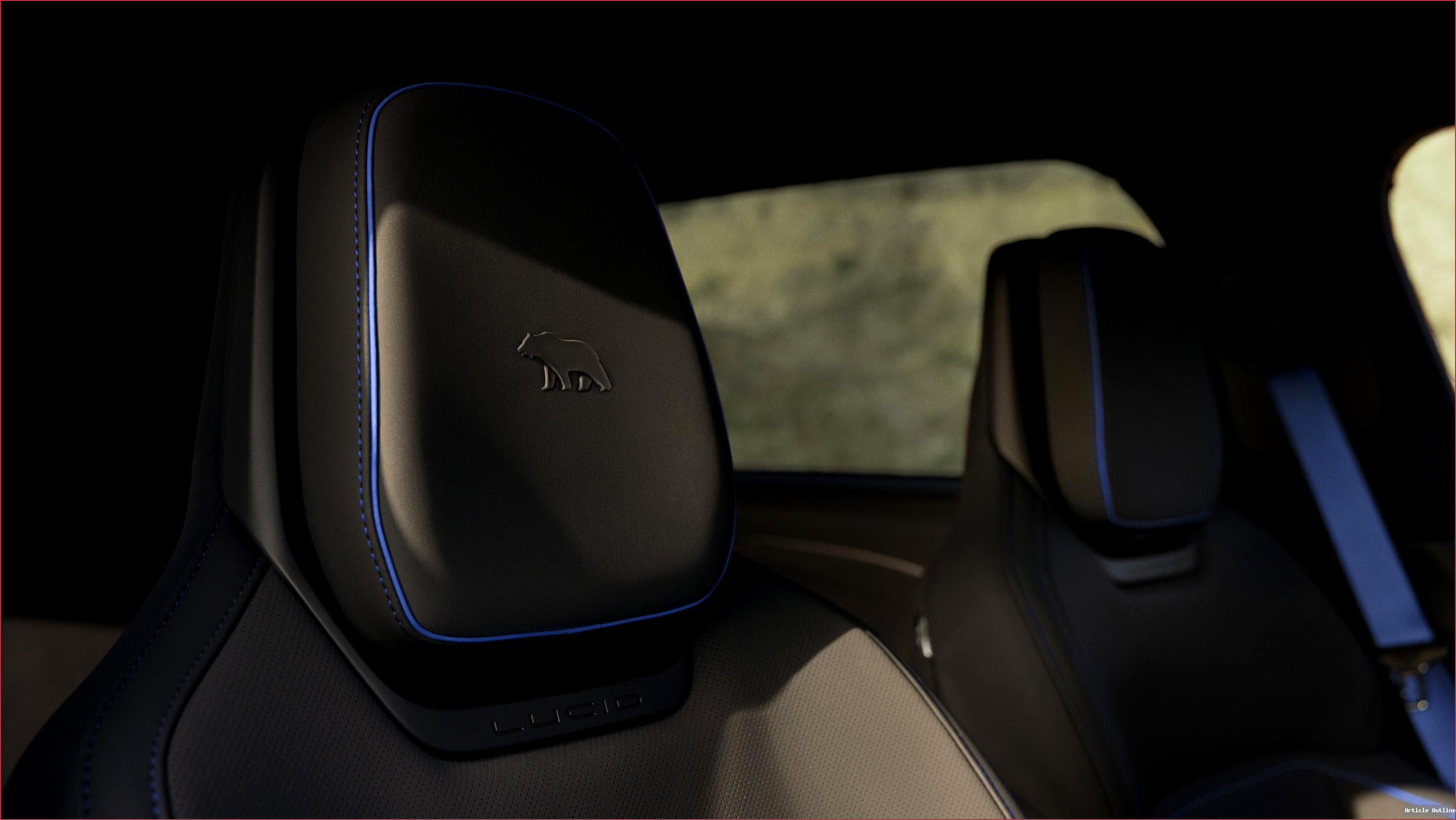
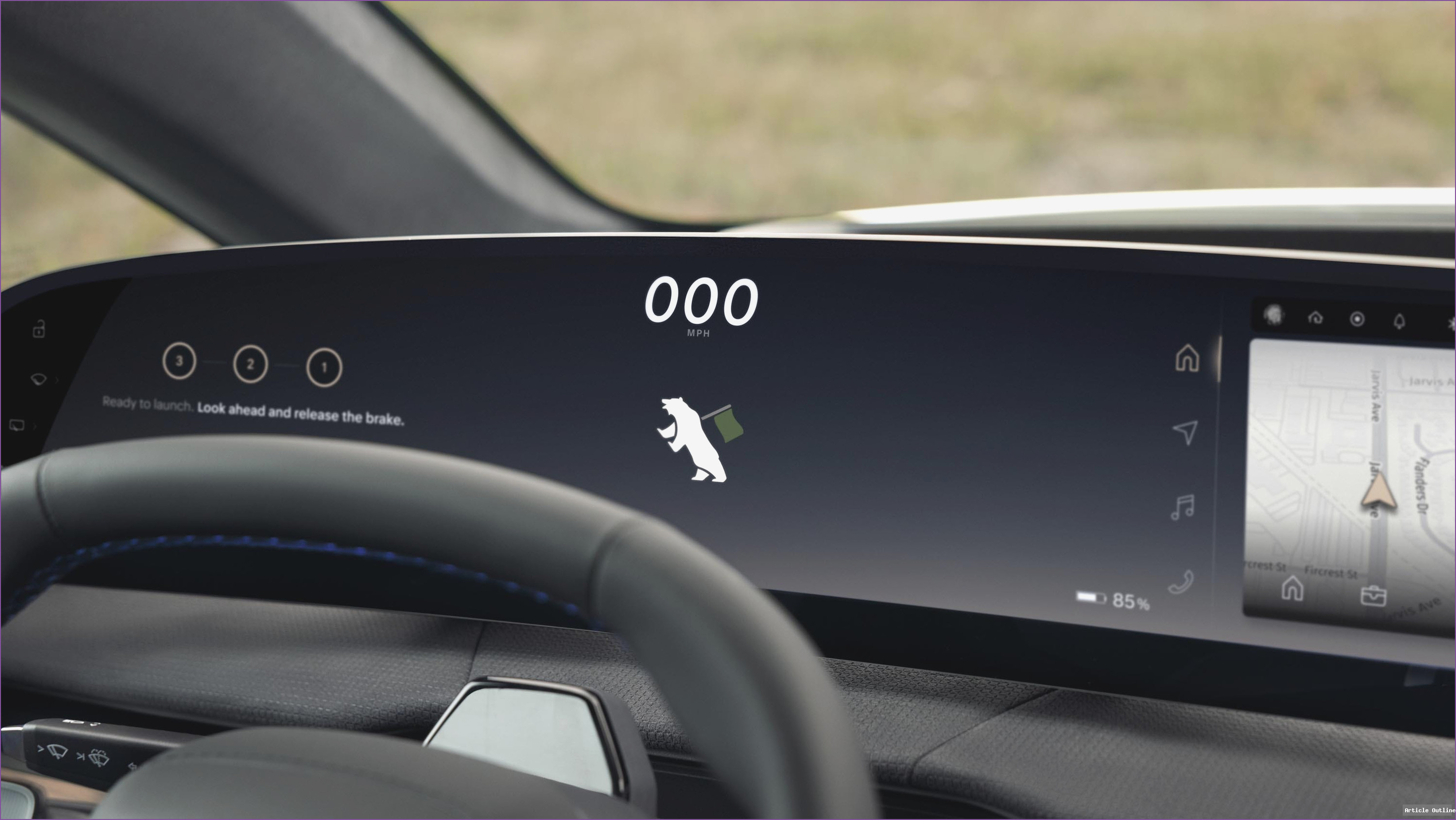
- The playful bear motif found in the Gravity GT-S isn’t random—it’s a subtle nod to Lucid’s California heritage and to the Air Sapphire, building visual continuity across models.
- While the blue interior grabs attention, the real magic is in the layering of textures and ambient lighting, which create a tech-forward yet inviting space—think less spaceship, more high-end lounge.
- Lucid’s design choices are a deliberate shot across the bow at German rivals like the Audi Q8 e-tron and Mercedes EQS SUV, who often play it safe with more muted interiors.
Key Takeaways
- Emotion and identity are now central to EV interiors—bland beige is out, bold branding is in.
- The Gravity GT-S’s blue theme is more than a color—it’s a strategy to cement Lucid’s Sapphire line as aspirational, even in family-friendly formats.
- Expect to see more automakers lean into distinctive, Instagrammable interiors as EV competition heats up.
Industry Context: Where Does Lucid Sit Now?
- The luxury EV market is exploding: Sales of electric SUVs in the US grew by over 60% year-over-year in 2023 (Source: IEA).
- Lucid faces huge challenges from legacy brands with deep pockets, but its design-forward approach could be the differentiator it desperately needs.
- Competitors like Rivian and Fisker also pursue bold interiors, but Lucid’s cohesive branding and storytelling set it apart.
Pros and Cons: Lucid Gravity GT-S Interior
- Pros:
- Unique, memorable color scheme
- Brand DNA carried through every detail
- High perceived quality and cutting-edge design
- Cons:
- Bold design choices may not appeal to everyone
- Potential for style to overshadow substance if tech/usability falls short
- Resale value uncertainty for non-traditional interiors
Action Steps & Practical Implications
- If you’re shopping for a luxury electric SUV, look beyond the spec sheet—evaluate how the interior makes you feel, and if the design fits your lifestyle.
- For automakers: The era of ‘safe’ interiors is over. Customers want distinctive, experiential cabins that reflect their personality and values.
- Investors and industry watchers: Pay attention to how Lucid’s interior design language evolves—success here could set a new template for luxury EVs across the industry.
The Bottom Line
The 2027 Lucid Gravity GT-S isn’t just an electric SUV—it’s a bold bet on the future of automotive interiors, where color, branding, and emotion matter as much as horsepower or range. Welcome to the blue age of luxury EVs.
Sources: