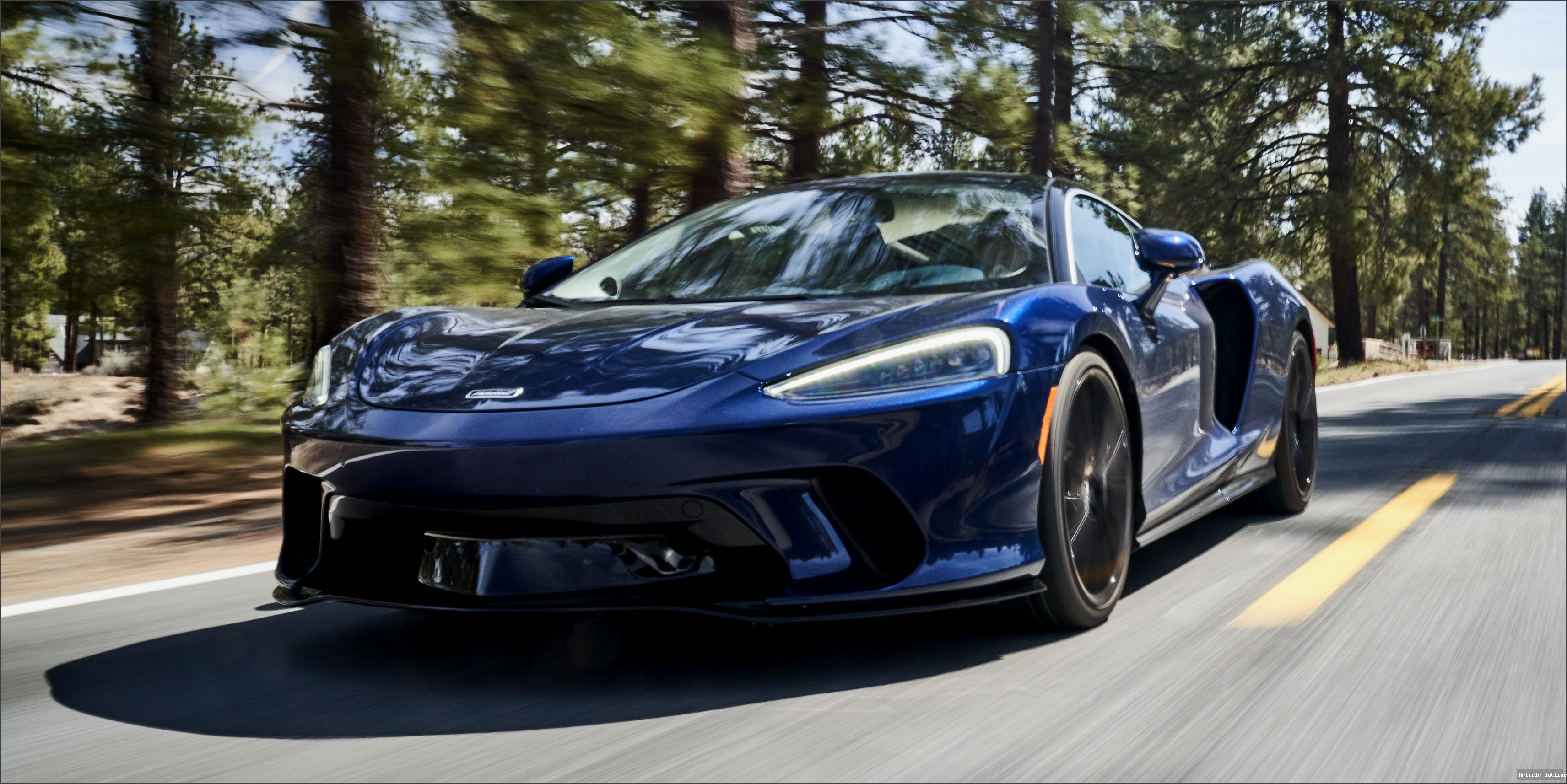
The 2027 McLaren GTS isn’t just another fast car; it’s McLaren’s most refined attempt yet at blending raw supercar DNA with the comfort and practicality of a true grand tourer. But does it really achieve the elusive balance between track-day adrenaline and cross-country comfort? Let’s dig deeper—beyond the spec sheet and marketing gloss—into what sets the GTS apart, why it matters for the luxury sports car world, and what most people overlook.
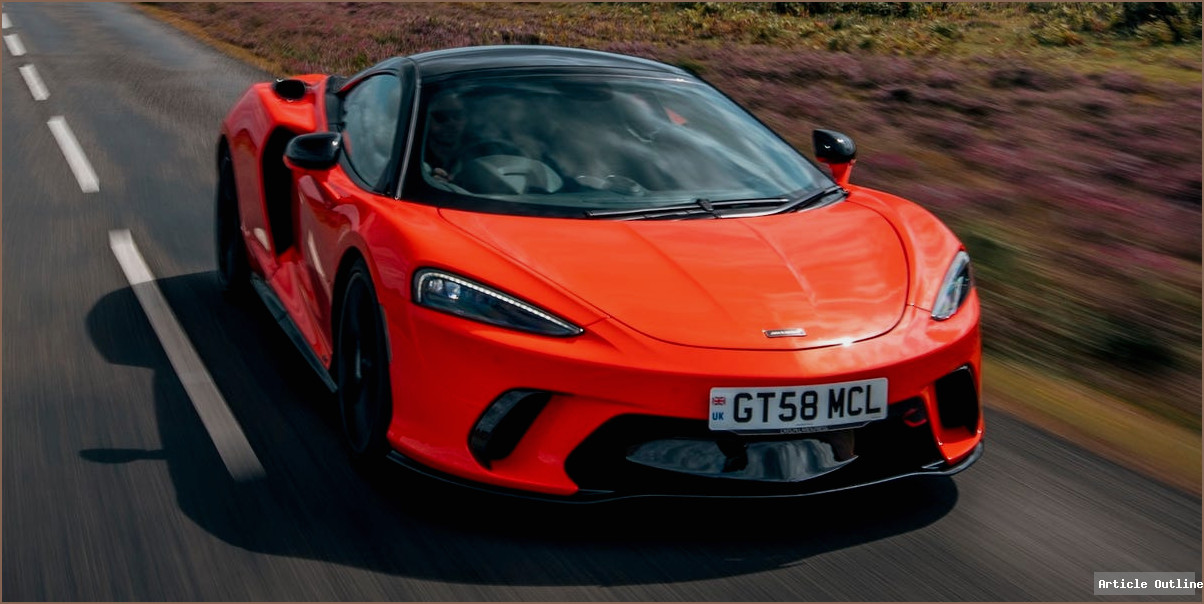
Why This Matters
- The GTS is McLaren’s response to a shifting supercar market, where buyers now demand more than just speed—they want usability, comfort, and technology without compromise.
- It challenges entrenched players like Aston Martin DB11 and Bentley Continental GT by offering mid-engine agility with a surprisingly practical twist.
- For McLaren, traditionally known for hardcore, stripped-down track monsters, the GTS signals a strategic pivot: luxury and livability are no longer afterthoughts.
What Most People Miss
- The GTS’s 20 cubic feet of cargo space is genuinely usable—more than many rivals and even some compact sedans. But beware: the rear storage can get toasty due to the mid-engine layout. Pack your chocolates up front!
- Despite lacking advanced driver aids (no adaptive cruise, no blind-spot monitoring), this is intentional: McLaren is banking on buyers valuing engagement over digital babysitting.
- The claimed 0-60 mph time of 3.1 seconds is likely conservative. The previous GT, with less power, hit 2.8 seconds in real-world tests. Expect the GTS to comfortably break below 3 seconds in the right hands.
- No Apple CarPlay or Android Auto. In an era where connectivity is king, McLaren’s omission is a statement: the car is the experience, not your phone.
Key Takeaways
- Engine & Performance: 626-hp twin-turbo V8, 0-60 in a (likely) sub-3-second blast, rear-wheel drive, adaptive suspension for daily usability.
- Luxury Touches: Nappa/aniline leather, optional 12-speaker Bowers & Wilkins audio, panoramic glass roof with electrochromic tinting.
- Practicality: 20 cu-ft cargo space (split between front and rear), daily-driveable comfort, but no massaging or ventilated seats.
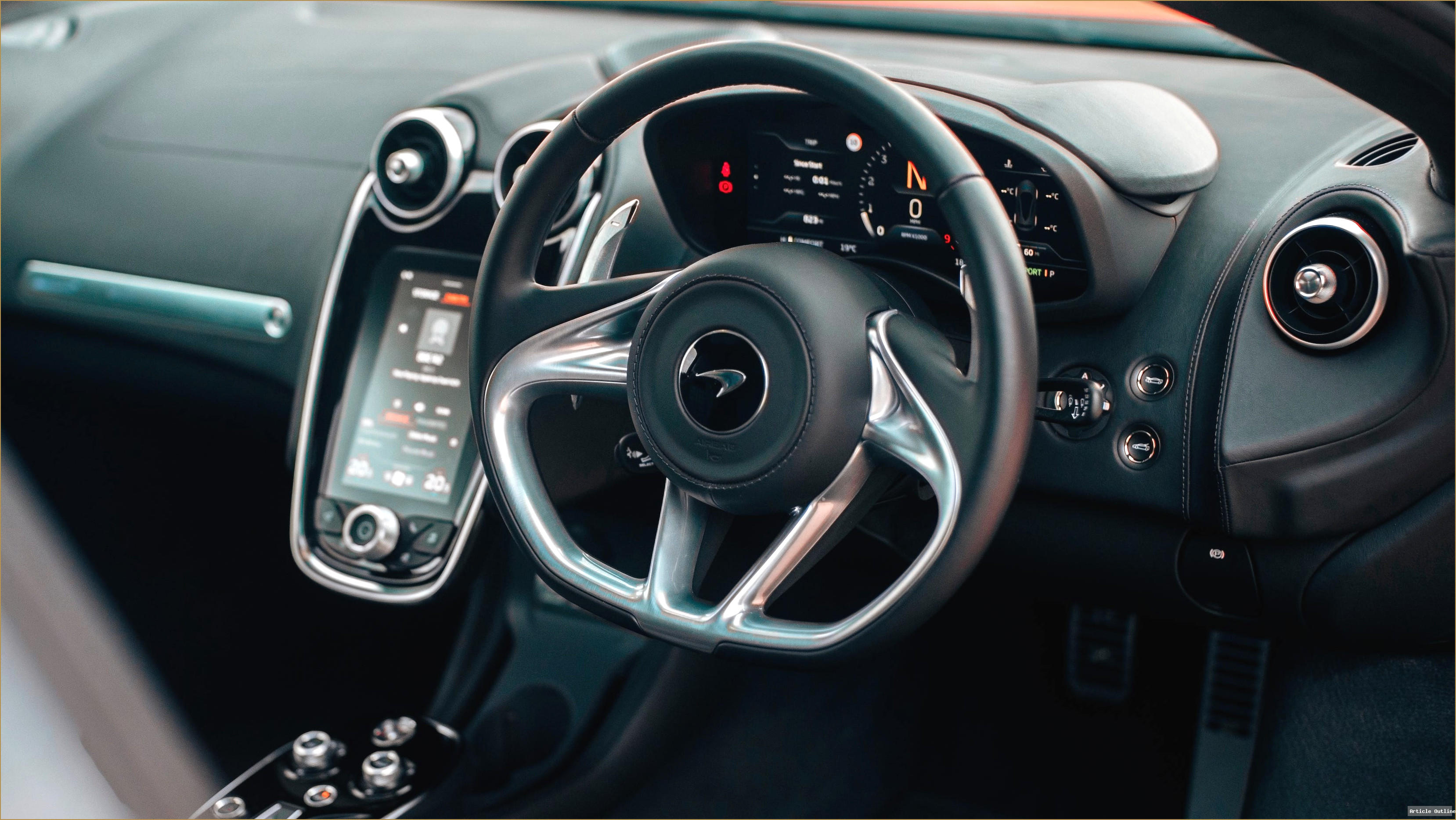
- Tech & Safety: 7.0-inch touchscreen, 10.3-inch digital cluster, basic safety (backup camera), but no advanced driver assists or smartphone mirroring.
- Warranty/Service: 3 years/unlimited miles with complimentary maintenance—on par with top-tier rivals.
Industry Context & Comparisons
- The GTS sits at the crossroads of a growing trend: supercars that can genuinely be used as daily drivers. While Ferrari’s Roma and Aston’s DB11 have paved this road, McLaren’s mid-engine layout brings a sharper edge.
- Plug-in hybrid options (like McLaren’s own Artura) are gaining traction for their blend of efficiency and power—but the GTS sticks to pure internal combustion, appealing to purists as the EV tide rises.
- Compared to Bentley’s Continental GT (which weighs over 1,000 lbs more), the GTS offers a lithe, responsive driving experience that sacrifices some comfort for engagement. It’s the driver’s grand tourer.
Timeline: McLaren GT to GTS Evolution
- 2019: McLaren launches the GT, aiming for a broader luxury audience.
- 2024: Artura debuts, signaling McLaren’s hybrid future.
- 2027: GTS refines the GT formula, doubling down on usability without losing the supercar heart.
Pros & Cons
- Pros: Blistering acceleration, genuine cargo space, high-end materials, McLaren’s iconic handling, complimentary maintenance.
- Cons: Lacks advanced driver aids, no smartphone mirroring, rear cargo gets hot, pricey options list.
The Bottom Line
The 2027 McLaren GTS is not just a softer McLaren—it’s a sign that the supercar world is maturing. It offers a compelling alternative to the usual suspects by blending real-world usability with supercar excitement. For those who want to drive, not just be driven by technology, the GTS is a statement—and perhaps the last of its kind before hybrids and electrics fully take over.

Sources: