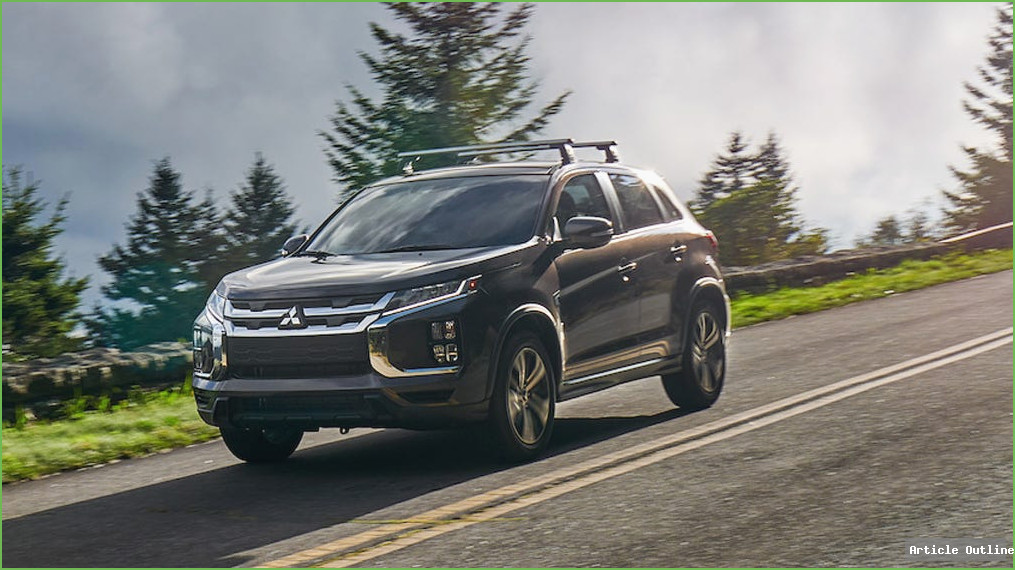
If you thought the days of affordable new SUVs were gone, Mitsubishi just threw a wrench in that narrative. The 2027 Mitsubishi Outlander Sport is making waves—not just for its looks, but for its revived front-wheel-drive (FWD) option and a base price that undercuts last year’s model by $1,500. But is this move more than just a number on a sticker? Let’s dig into why this matters for buyers and the industry at large.
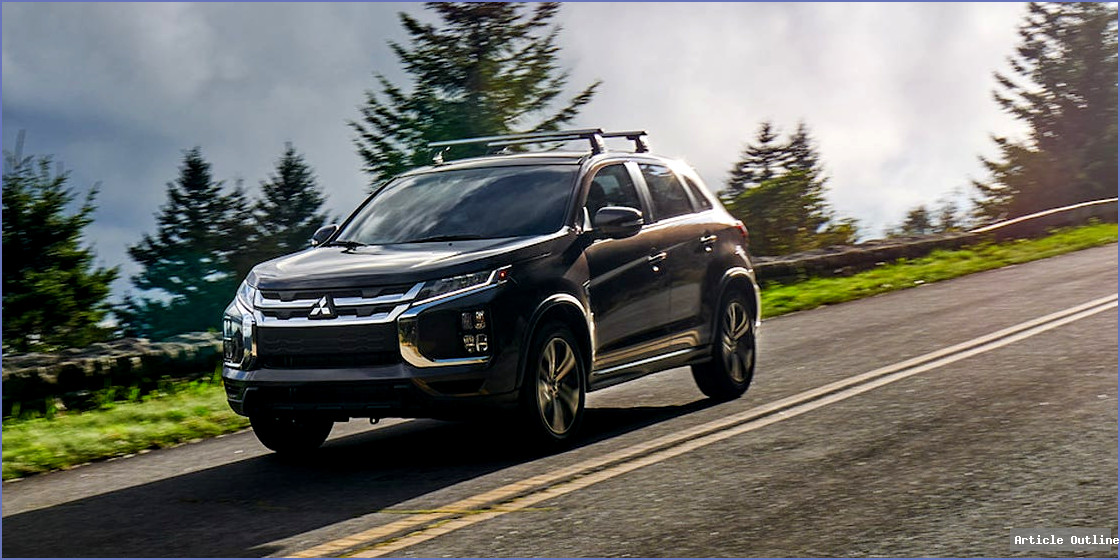
Car prices have been climbing for years, with sub-$30,000 new vehicles becoming almost an endangered species. The Outlander Sport’s new $25,505 starting point bucks that trend, and the return of FWD could shake up the market for budget-conscious shoppers.
Why This Matters
- Sticker Shock Is Real: The average new car price in the U.S. hit over $48,000 in 2023, according to Kelley Blue Book. A $25k SUV is now a rare bird.
- FWD vs. AWD—A Strategic Play: By reintroducing FWD, Mitsubishi isn’t just lowering the price; it’s offering more choice for buyers who prioritize cost and fuel efficiency over all-weather traction.
- Pressure on Competitors: Other brands like Kia and Mazda have been creeping up in price and performance. This move could force them to revisit their base model pricing or risk losing entry-level shoppers.
What Most People Miss
- It’s Not Just About Cost—It’s About Accessibility: For many buyers, the difference between $25k and $28k is the difference between owning a new car and settling for used. Mitsubishi is now one of the few brands making new cars more attainable.
- Performance Isn’t the Point Here: Yes, the Outlander Sport’s 2.0-liter and 2.4-liter engines lag behind turbocharged rivals in raw power, but for daily commuting and basic family duty, that’s often enough.
- Trim Level Strategy: Mitsubishi’s broad range (S, ES, Ralliart, Trail Edition, SEL) now covers more price points, letting buyers trade up for features they care about without being forced into AWD.
Key Takeaways
- 2027 Outlander Sport starts at $25,505 (FWD S trim)—that’s $1,500 less than last year’s AWD-only base model.
- AWD now starts at $28,605, with well-equipped trims climbing to $32,210.
- Every model gets a CVT, with engine choices topping out at 168 hp (significantly less than some rivals, but enough for the segment’s core buyers).
- Mitsubishi is targeting a shrinking but important demographic: buyers who actually need an affordable, reliable new SUV.
Comparisons and Context
- Kia Seltos: Starts higher, offers up to 195 hp, but you’ll pay for it—especially with options.
- Mazda CX-30: Base price is higher and turbo models push 250 hp, but again, affordability is sacrificed.
- Industry Trend: The number of new cars under $30k has dropped dramatically since 2020. Mitsubishi is bucking the upmarket drift.
Pros and Cons
- Pros: Lower entry price, increased accessibility, proven reliability, simple powertrains.
- Cons: Aging platform, less powerful engines, dated tech compared to segment leaders.
The Bottom Line
The 2027 Mitsubishi Outlander Sport’s price cut and FWD revival aren’t just about numbers—they’re about keeping the new car market within reach for more Americans. While it won’t win a drag race against a turbocharged rival, it might win the hearts (and wallets) of buyers who thought new SUVs were out of reach. In a world where automakers often chase luxury profits, Mitsubishi’s move is a refreshing dose of pragmatism.