The 2027 Nissan Rogue may look like just another mid-cycle refresh to some, but dig deeper and you’ll see it’s actually a bold leap forward—not just for Nissan, but for the entire compact SUV market. The headline? Nissan’s innovative e-Power series-hybrid powertrain is finally coming to the U.S., and it’s about to shake up the dominance of the Honda CR-V and Toyota RAV4 hybrids.
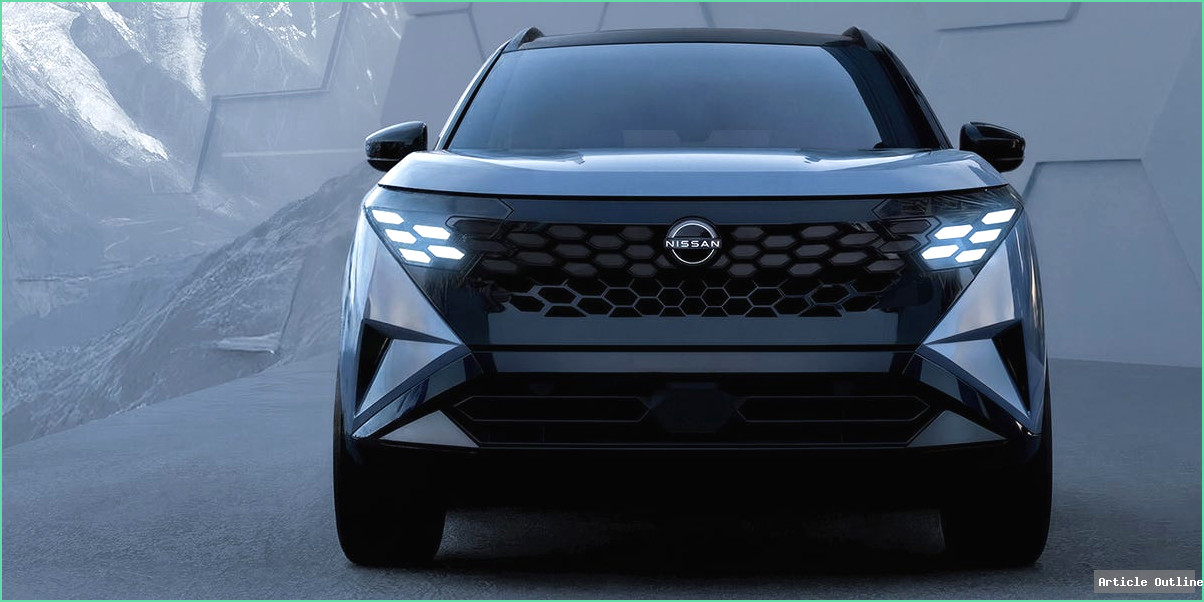
For years, Nissan has sold e-Power vehicles in other markets, but U.S. buyers have been left out—until now. The new Rogue’s arrival signals Nissan’s intent to be a real contender in the eco-friendly SUV wars. But what sets this hybrid apart from the familiar names, and what does it mean for you and the industry?
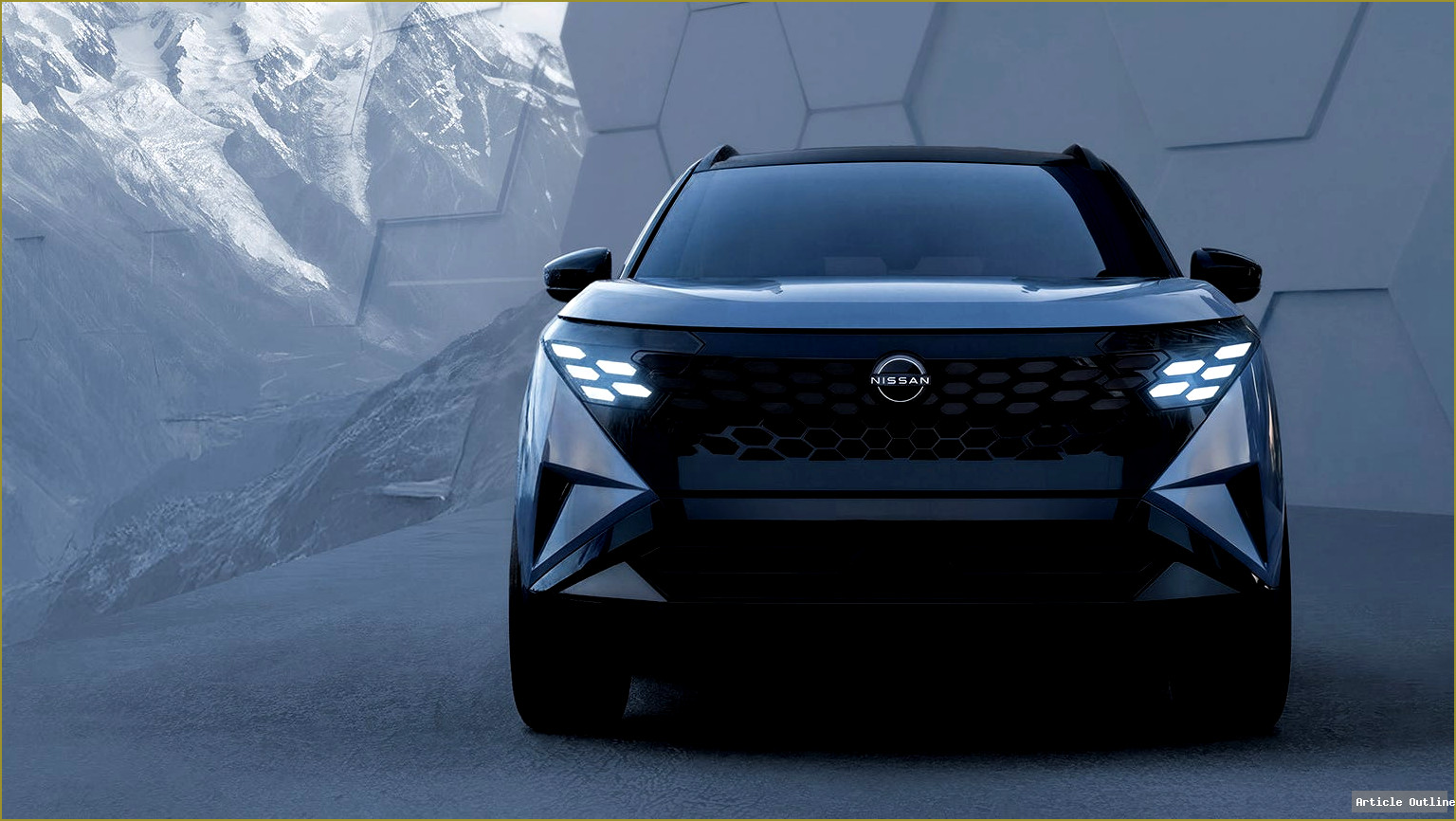
Why This Matters
- Redefining Hybrids: Nissan’s e-Power system isn’t your typical hybrid. Unlike Toyota and Honda’s setups (where the gas engine can directly drive the wheels), e-Power uses the gasoline engine only as a generator. The wheels are powered 100% by electric motors. This means you get EV-like smoothness and instant torque, but without plug-in charging hassles.
- Market Disruption: With the CR-V and RAV4 hybrid models dominating sales (RAV4 is now hybrid-only), the Rogue’s new tech gives Nissan a shot at clawing back market share in the all-important compact SUV category.
- Transitioning Consumers: As the industry moves toward electrification, series hybrids like e-Power could serve as a crucial stepping stone for drivers wary of going fully electric.
What Most People Miss
- The U.S. Debut Is a Big Deal: Nissan’s e-Power tech has already proven itself in Europe and Asia, but this is its first real test in America. U.S. buyers are notoriously picky about performance, refinement, and value—so Nissan’s confidence is telling.
- AWD Done Differently: Dual electric motors enable all-wheel-drive without the complexity of a traditional mechanical system. Expect precise torque delivery and superior traction—especially useful in challenging weather.
- No Plug, No Fuss: Unlike plug-in hybrids, you never have to worry about charging at home or finding a compatible station. The gas engine takes care of the battery—simple as that.
- Strategic Hybrid-Only Launch: For 2027, the Rogue will come only as a hybrid (at first). This signals Nissan’s commitment to hybrid tech as mainstream, not niche.
Key Takeaways
- Tech Leap: The e-Power system means smoother drives, better efficiency, and a different feel from rival hybrids. Early European reviews praise its “EV-like” power delivery.
- Competitive Stakes: If Nissan nails the pricing and reliability, the Rogue Hybrid could finally challenge the segment leaders.
- Industry Trend: The move is part of a broader shift—by 2030, experts predict over half of new car sales globally will be electrified vehicles (hybrids, plug-in hybrids, or full EVs).
Quick Timeline: Nissan Rogue Hybrid Evolution
- Pre-2027: U.S. Rogue Hybrids were rebadged Mitsubishi Outlanders—never a big seller, and more of a stopgap.
- 2027: Debut of U.S.-made Rogue with Nissan’s own e-Power tech, launching as a hybrid-only model.
- Future: Gas-only versions may return, but Nissan expects the hybrid to dominate sales.
Pros & Cons Analysis
- Pros:
- EV-like acceleration and smoothness
- No need to plug in
- AWD via dual motors—better winter performance
- Likely improved fuel efficiency over standard gas models
- Cons:
- Unknowns about long-term reliability in U.S. conditions
- No plug-in option for those wanting all-electric range
- Specs and pricing not yet released—could make or break its appeal
“Nissan’s e-Power could be the sweet spot for drivers who want the EV experience without the hassle of charging. If it’s priced right, Toyota and Honda should be worried.” — Auto Industry Analyst
The Bottom Line
The 2027 Nissan Rogue Hybrid isn’t just another compact SUV—it’s a bold statement about where both Nissan and the wider industry are heading. If you want a taste of EV performance but aren’t ready to cut the cord on gasoline just yet, this could be the crossover that bridges that gap. Keep an eye out for more details as the launch nears—this is one model that could genuinely shift the hybrid landscape.