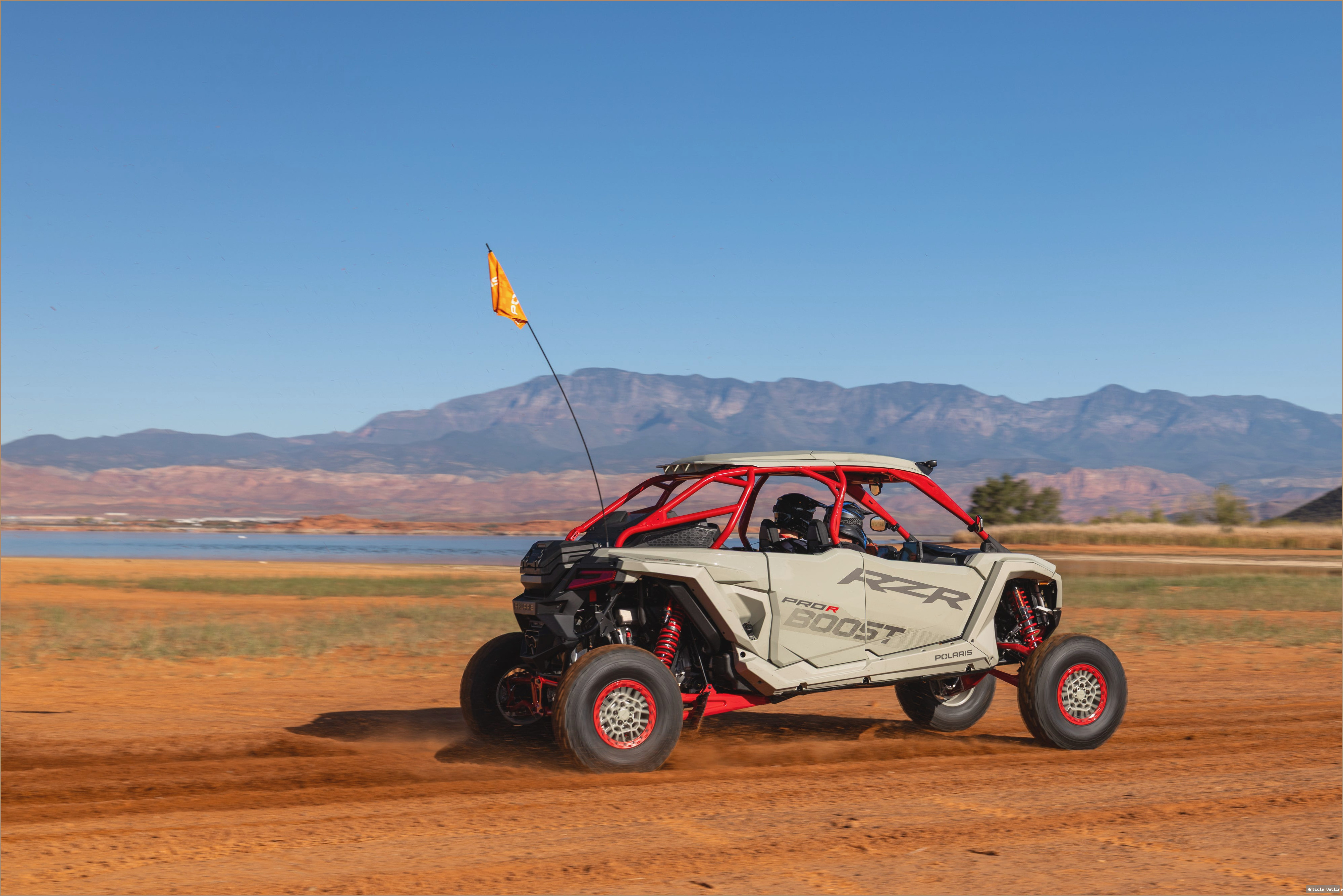
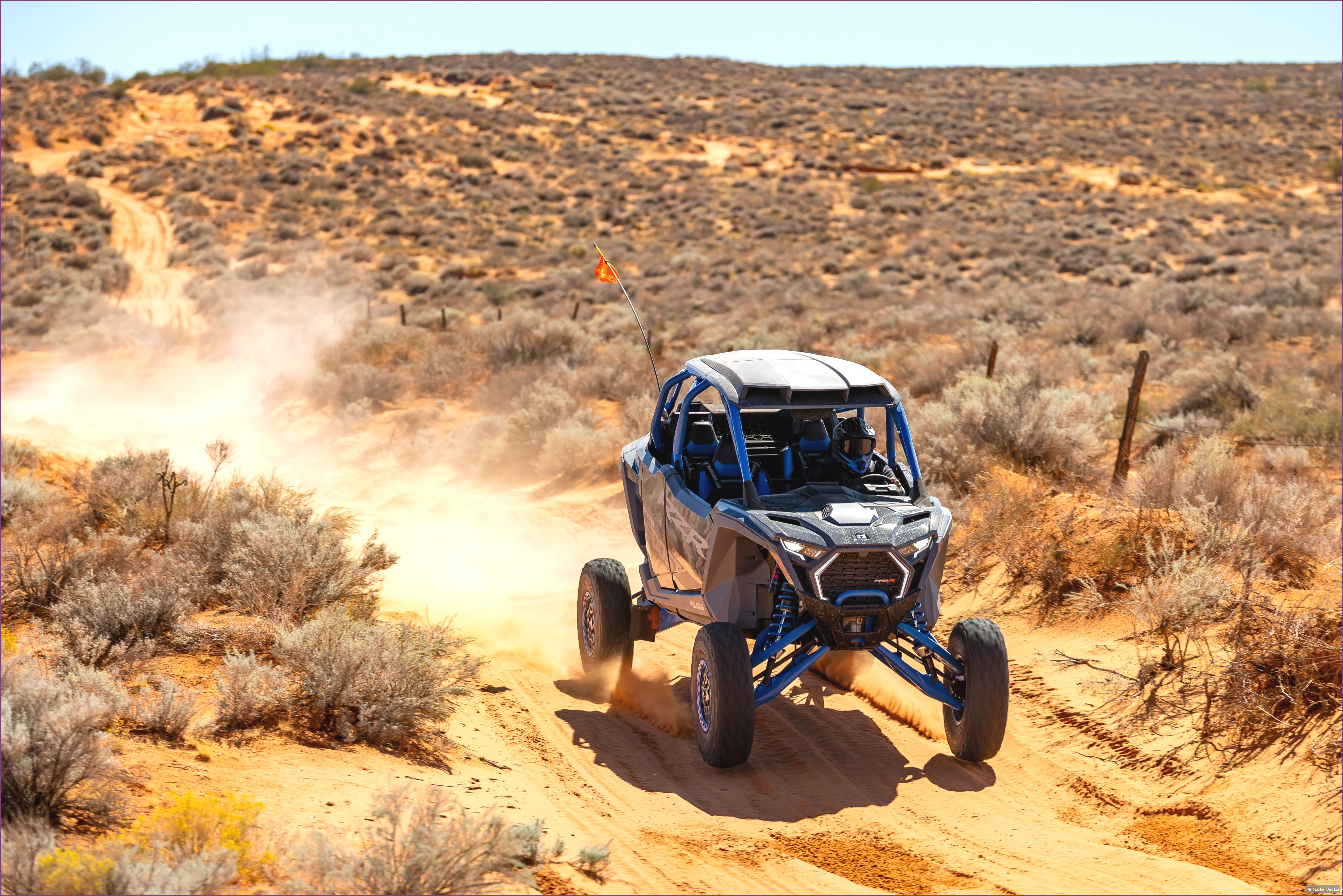
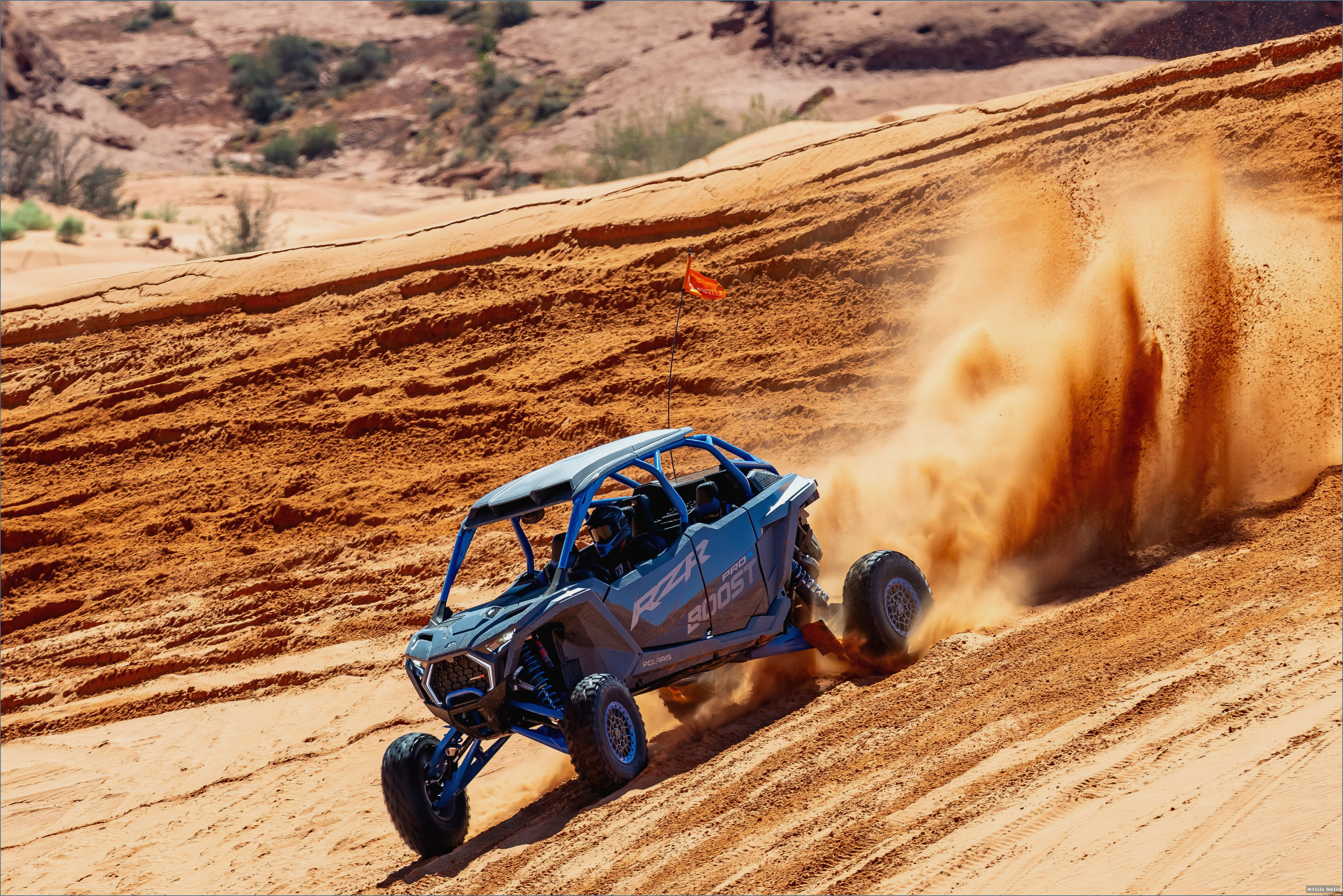
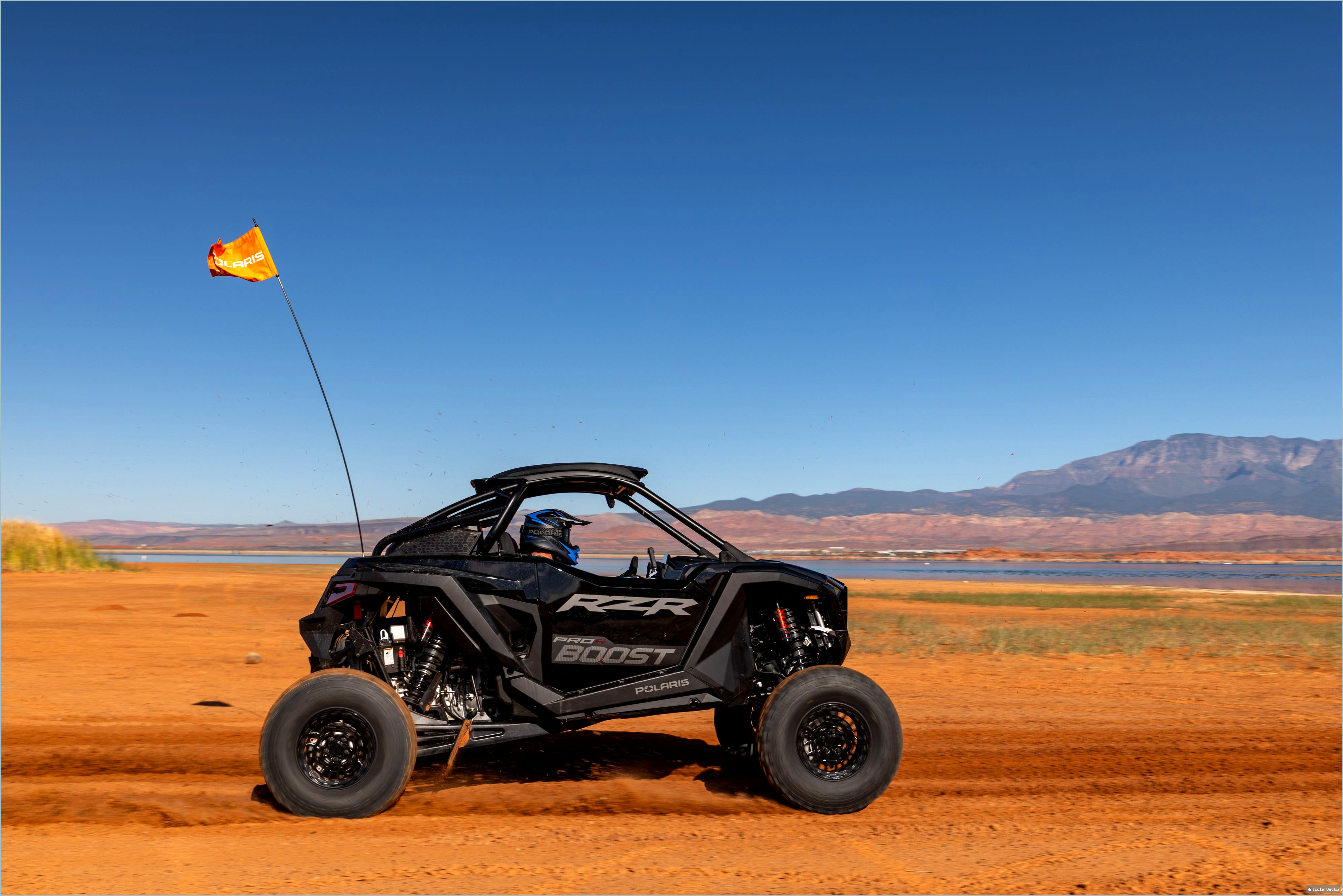
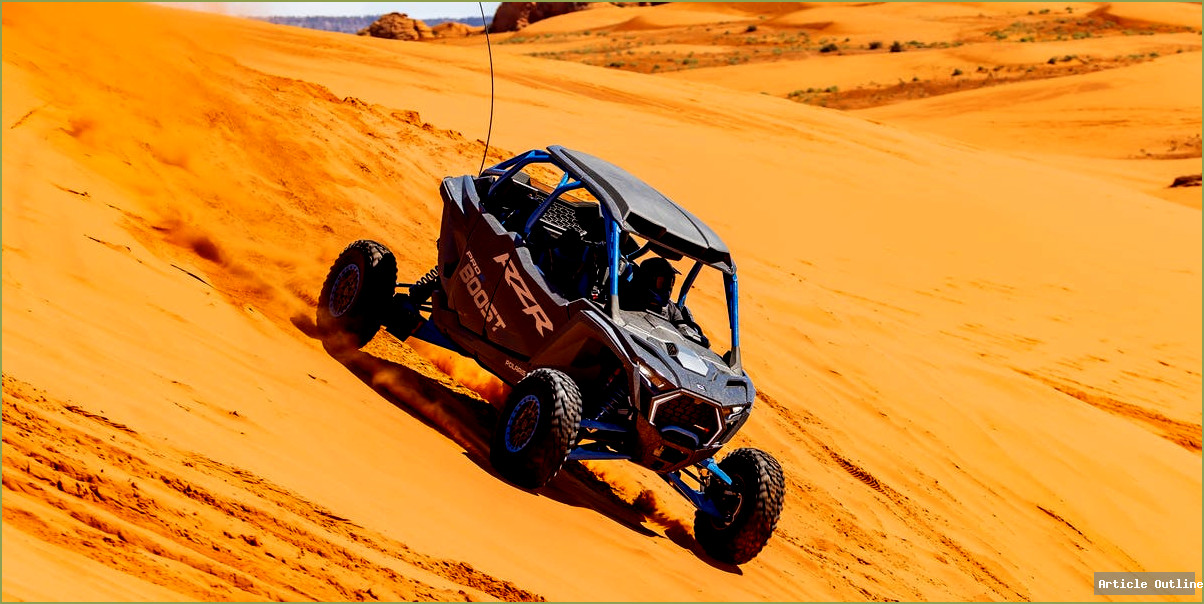
When it comes to pushing the limits of off-road performance, the 2027 Polaris RZR Pro R Boost is not just another side-by-side—it’s a statement. In a segment known for adrenaline and innovation, Polaris has thrown down a gauntlet, delivering the most powerful buggy on the market and rethinking what’s possible for adventure seekers. But what does this leap forward really mean for enthusiasts, competitors, and the ever-growing off-road industry?
Why This Matters
- Segment Leader in Power: With a turbocharged 2.0-liter inline-four pumping out 275 hp and 223 lb-ft of torque, the Pro R Boost sets a new benchmark, beating out Can-Am’s Maverick R (240 hp) and Kawasaki’s Teryx H2 (250 hp).
- Pricey but Purpose-Built: Starting at $51,994 for the two-seater and $55,994 for the four-seater, Polaris positions the RZR Pro R Boost as a high-end, no-compromise off-road machine. That’s Bronco or Wrangler money—but delivers a vastly different experience.
- Technological Leap: Adaptive Fox Live Valve dampers, a relocated radiator, ventilated seats, and Group Ride tech elevate comfort and capability, blurring the lines between pure utility and luxury.
Key Takeaways
- Power Isn’t Everything, But It’s Close: The RZR Pro R Boost’s 275 hp not only smokes the competition, but its torque delivery and cooling solutions (radiator behind the cabin!) mean consistent performance even in 115°F heat and at 10,000 feet elevation.
- Suspension Wizardry: The Fox Live Valve system adapts up to 200 times per second, transforming Utah’s brutal terrain into a playground. Need instant stiffness? Hit the steering wheel button for immediate absorption of big hits.
- Comfort Features Go Mainstream: With ventilated seats, CarPlay, and a banging Rockford Fosgate sound system, this is no barebones buggy. You can actually enjoy the scenery… if you slow down long enough.
What Most People Miss
- Cooling Isn’t Just for Engines: The rear radiator position isn’t just a quirky engineering decision. By moving it behind the passengers, Polaris dramatically reduces cockpit heat—crucial when you’re traversing deserts where the air feels like a hair dryer in your face.
- Competitive Context: Some may balk at the price, arguing that a Ford Bronco or Jeep Wrangler offers more “all-around” utility. But neither can match the RZR’s approach/departure angles, wheel travel, nor its ability to treat vertical rock faces like speed bumps.
- Transmission Wars: While the Can-Am’s dual-clutch is more engaging, Polaris’s CVT is laser-focused on durability and linear power delivery. Clever boost management reduces lag and keeps the turbo spooled, even between throttle blips.
How Does the RZR Pro R Boost Stack Up?
- Vs. Can-Am Maverick R: More power (275 hp vs 240 hp), but the Can-Am’s DCT is more dynamic for driver involvement.
- Vs. Kawasaki Teryx H2: Outguns it in both horsepower and torque, but the Teryx remains a tough, reliable competitor.
- Vs. Street-Legal Off-Roaders: Wrangler and Bronco offer creature comforts and road legality, but can’t match the RZR’s pure off-road focus and performance envelope.
Timeline of Major Innovations
- 2022: Polaris launches Pro R platform, setting new standards for side-by-side performance.
- 2024: Competitors like Can-Am and Kawasaki close the power gap, but still trail.
- 2027: The Pro R Boost arrives, resetting the bar for power, tech, and comfort in the segment.
Pros & Cons
- Pros:
- Unmatched power and torque
- Superb suspension technology
- Innovative cooling and comfort features
- Highly adjustable for different terrains and driving styles
- Cons:
- High entry price
- Not street-legal in most states
- CVT less engaging than DCT rivals
Action Steps for Off-Road Enthusiasts
- Consider your terrain: This vehicle shines in dunes, desert, and technical rock but is overkill for mild trails.
- Budget for accessories: Factor in helmets, trailer, and possible upgrades like the $3,000 adaptive anti-roll bar.
- Know your state laws: The RZR Pro R Boost is not street-legal—plan your transport accordingly.
The Bottom Line
The 2027 Polaris RZR Pro R Boost isn’t just about headline numbers. It’s a showcase of how far side-by-sides have come—melding brute force, advanced tech, and real-world comfort in a package built to dominate the wildest terrain. For those who demand the ultimate off-road experience and are willing to pay for it, there’s nothing else quite like it. Just don’t expect to blend in at the local 4×4 meet—unless you plan to leave everyone else in a cloud of dust.
Sources: