The 2027 Slate Truck prototype isn’t just another electric pickup—it’s a radical rethink of what a modern, practical, and affordable EV can be. In an era where trucks are ballooning in size, price, and tech complexity, the Slate Truck aims to turn the tide with its compact form, honest simplicity, and real-world utility.
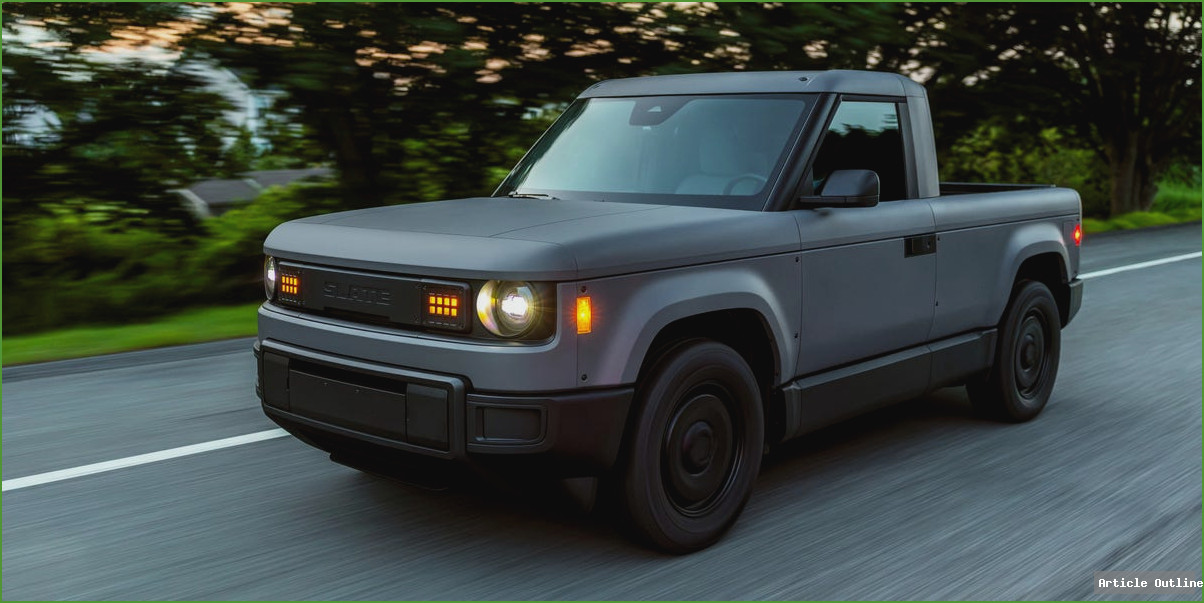
So, what’s the big deal? Let’s dig into why the Slate Truck matters, what most people are missing in the spec sheet, and what it could mean for the pickup segment—especially as the EV landscape keeps shifting.
Why This Matters
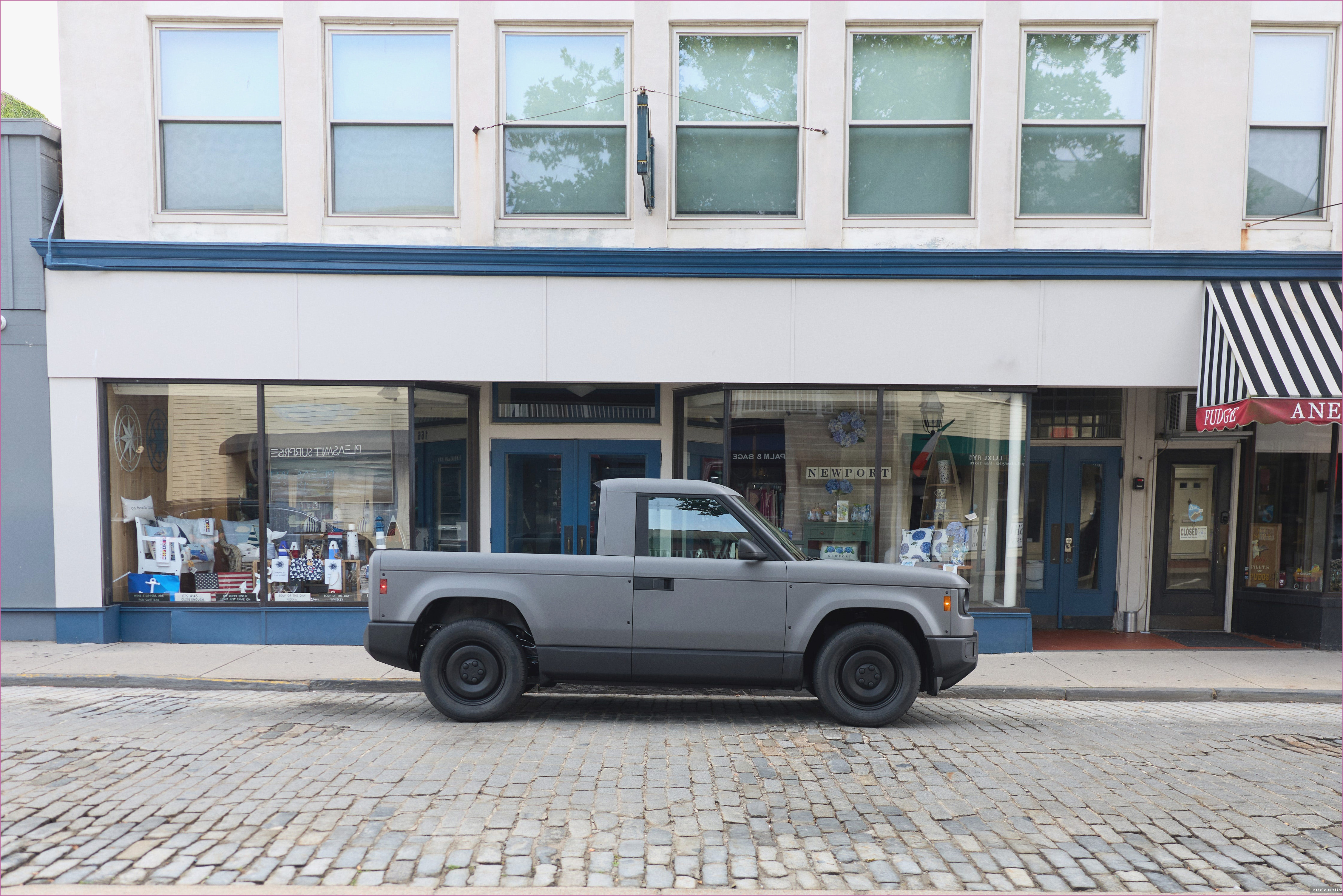
- A True Compact Pickup: At 1.8 inches shorter than a Subaru Crosstrek, the Slate Truck is smaller than even the Ford Maverick—making it perfect for urban drivers who need utility without the bulk.
- Simplicity Over Flash: In a market obsessed with screens and luxury features, the Slate’s basic interior (no infotainment, just your phone!) is a breath of fresh air for those craving minimalism and affordability.
- Affordability (Potentially) Reimagined: While pricing isn’t announced, the bare-bones spec hints at a lower entry point—potentially unlocking EV pickup ownership for a whole new audience.
- Modularity: That SUV conversion kit? It’s not just a gimmick—it hints at a new way to think about personalizing and re-purposing your vehicle as needs change.
What Most People Miss
- Single-Cab, Two-Seater—By Design. Unlike most pickups that start with a four-seat (or more) configuration, the Slate’s two-seater, single-cab layout is a throwback to classic work trucks. Why? Simplicity, cost savings, and—let’s be honest—a little bit of hipster cool.
- 205-Mile Range, 63kWh Battery. While some might scoff at the “low” range, it’s more than adequate for urban and suburban use. And with less weight and smaller size, it likely means higher efficiency than big-battery rivals.
- Accessory Ecosystem. The Slate’s approach to color (gray only, unless you wrap it) and features (add them as you wish) is IKEA meets Tesla—making upgrades modular, not mandatory.
Key Takeaways
- The Slate is a work-first, lifestyle-second EV: It’s not about luxury; it’s about getting stuff done and looking cool doing it.
- A true alternative to “truck bloat”: With pickups getting larger, heavier, and more complex, the Slate could spark a return to basics.
- Modular accessories could disrupt how we buy vehicles: Imagine buying a basic truck and only paying for what you actually need, when you need it.
- Urban/young buyers are the target: If you live in the city, don’t haul 10,000 lbs, and want to make a style statement, the Slate is basically built for you.
Industry & Market Context
- Compact EV pickups are a rarity. The Ford Maverick (gas/hybrid) and Hyundai Santa Cruz (gas) are the closest analogs, but there’s really nothing this size, this simple, and all-electric. The Rivian R1T, Ford F-150 Lightning, and Chevy Silverado EV are all significantly bigger and pricier.
- Minimalism in automotive design is trending—think of Tesla’s Model 3 interior. But the Slate takes it up a notch: no audio system, no infotainment, just your phone and a digital gauge cluster. For those overwhelmed by too much tech, this is the antidote.
- Practicality: Despite its small size, the five-foot bed is actually half a foot longer than a Ford Maverick’s, and matches mid-size crew cabs. That’s clever packaging.
Pros & Cons
- Pros:
- Compact and easy to park
- Efficient, modest battery for daily use
- Customizable via accessories
- Potentially lower cost of entry
- Cons:
- Only seats two (unless you buy the SUV kit)
- No high-end features or infotainment
- Standard color is gray only (unless you wrap it)
- Limited range for road trippers
The Bottom Line
The 2027 Slate Truck isn’t just another electric pickup—it’s a bold experiment in returning to utility, affordability, and simplicity in a segment that’s lost the plot. Whether or not this prototype sparks a trend, it’s a wake-up call for the industry: not everyone wants a rolling tech palace. Sometimes, less truly is more.