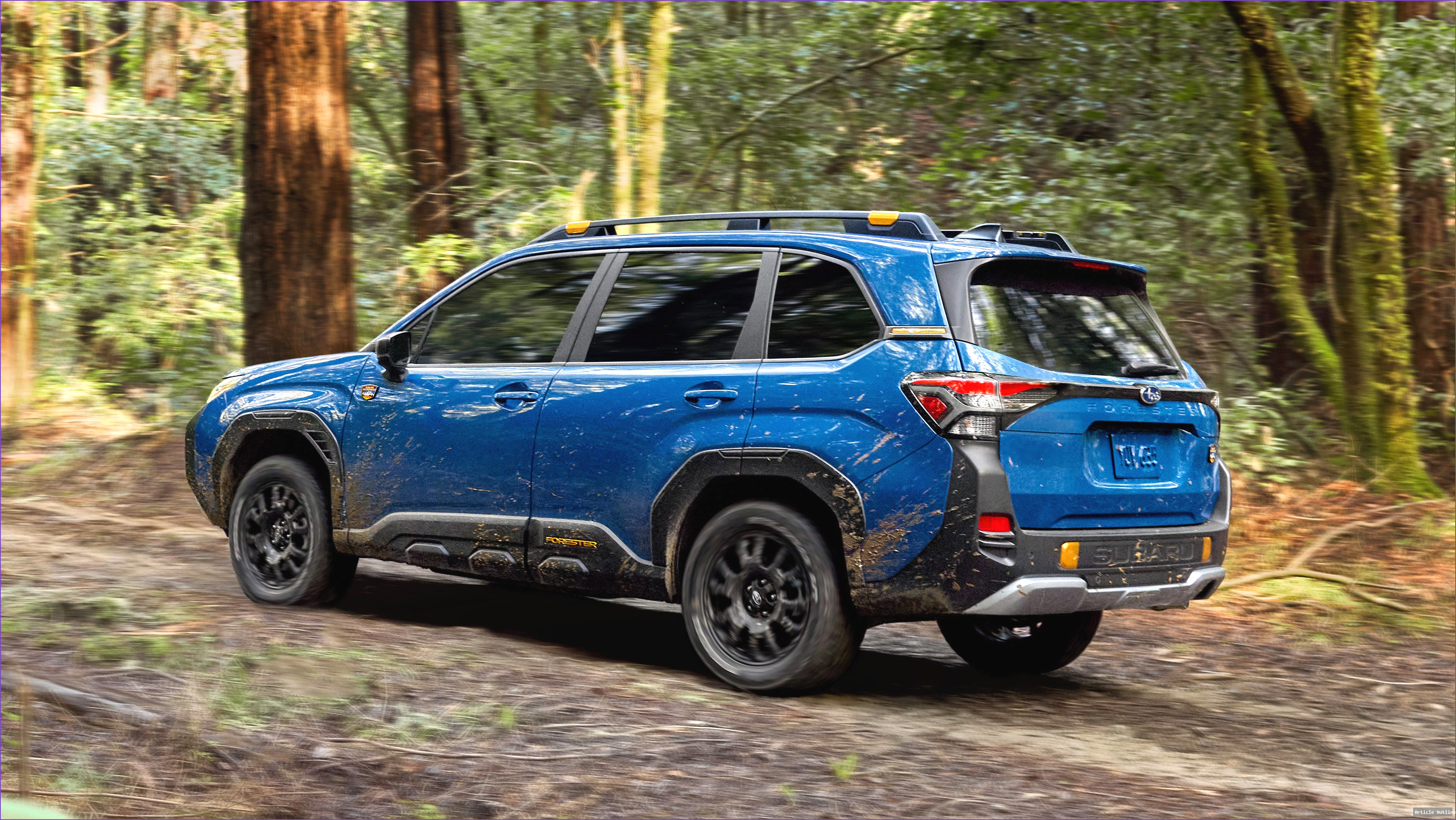
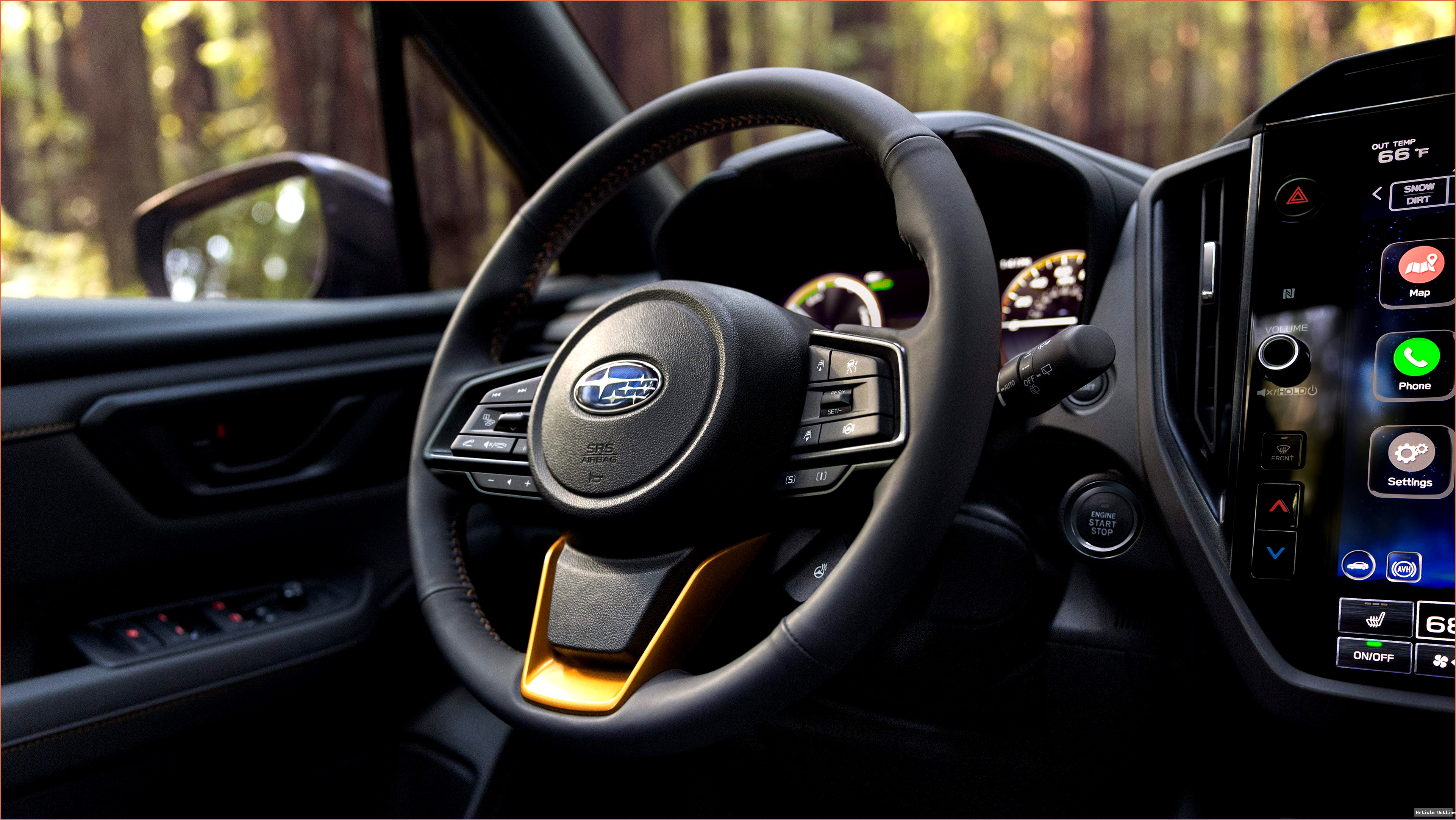
The 2027 Subaru Forester is rolling into dealerships with a blend of tradition and transformation. While base prices for most trims hold steady—a rare move in today’s inflationary car market—Subaru is quietly reshaping its compact SUV lineup. The big news? A significant culling of nonhybrid gas trims, a beefed-up hybrid roster, and the debut of the first-ever Forester Wilderness Hybrid. Here’s what makes this model year more than a simple refresh.
Why This Matters
- The days of a wide variety of gas-only Foresters are ending. Subaru is nudging buyers toward hybrids, reflecting a global industry shift as stricter emissions standards loom in the US and abroad.
- Hybrid technology is now front-and-center, not a niche offering. With five hybrid trims (up from just one a few years ago), Subaru is betting big on electrification—while keeping all-wheel drive and adventure-readiness as core features.
- Price stability is a strategic move in a volatile market. Amid industry-wide price hikes, Subaru choosing to hold the line on most trims sends a message about value and customer loyalty.
Key Takeaways
- Three nonhybrid trims are gone: Sport, Sport Onyx Edition, and Touring. Now, only Base, Premium, Wilderness, and Limited remain for gas-only models.
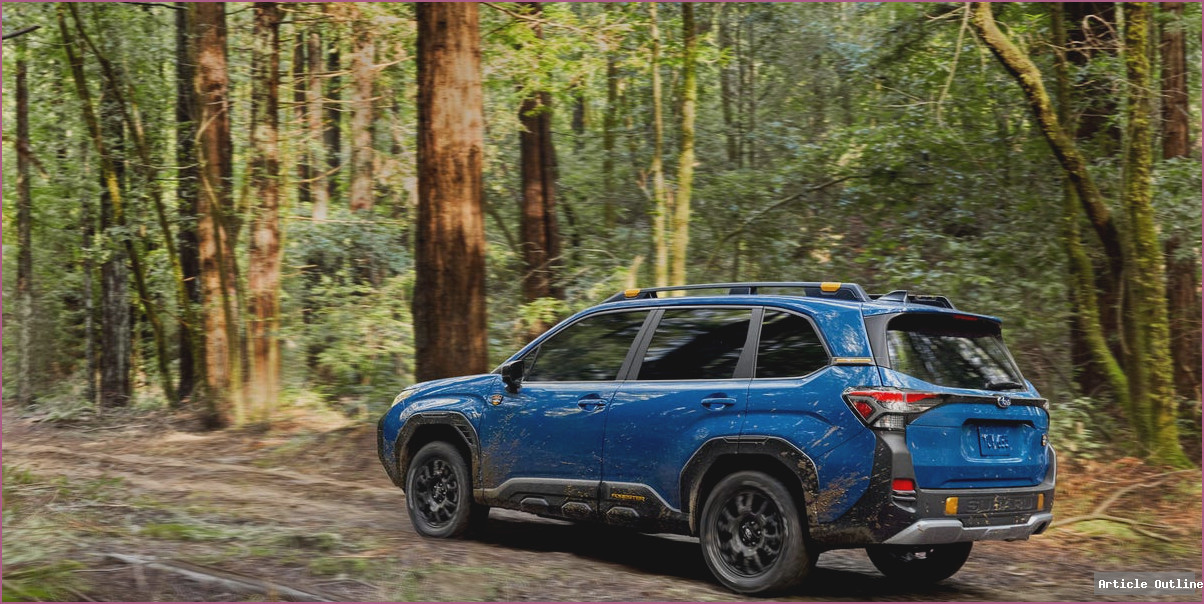
- Hybrid options expand to five, including the all-new Wilderness Hybrid (starting at $41,970).
- Base gas Forester remains at $31,470; Premium Hybrid stays at $36,205. The most expensive Forester, the Touring Hybrid, tops out at $43,020.
- Wilderness trims (gas and hybrid) now come standard with previously optional features: Harman/Kardon audio, power liftgate, 12.3-inch digital gauge, and navigation.
What Most People Miss
- The shrinking gas-only lineup isn’t just a Subaru quirk—it’s a preview of where compact SUVs are heading. Expect other brands to follow suit as hybrids become the norm.
- The $1,000 premium for the Wilderness Hybrid over the gas Wilderness is surprisingly modest, especially considering included features and future fuel savings.
- Wilderness trims now account for over 13% of all Forester sales, underscoring the public’s appetite for rugged, adventure-styled vehicles—even as electrification takes hold.
Industry and Market Context
- Compact SUVs remain one of the hottest US segments, with hybrid sales up 54% year-over-year in 2023, according to IHS Markit.
- Subaru’s move mirrors Toyota’s RAV4 and Honda’s CR-V, both of which have trimmed gas-only offerings in favor of hybrids and plug-ins.
- All Foresters retain full-time symmetrical all-wheel drive, a key differentiator as some rivals switch to front-wheel-drive hybrids to save costs.
Timeline: Forester’s Electrification Shift
- 2021: Subaru’s Wilderness subbrand debuts on Outback, quickly gains popularity.
- 2024: Hybrid Forester models expand, Wilderness Hybrid previewed.
- 2027: Three gas-only trims dropped; Wilderness Hybrid officially launches; hybrid lineup outnumbers gas trims for first time.
Pros and Cons for 2027 Shoppers
- Pros:
- Price stability in uncertain times
- More hybrid choices with adventure-ready features
- Rugged, well-equipped Wilderness trims now standardize premium gear
- Cons:
- Fans of performance-oriented gas trims (like the Sport) lose options
- Hybrid buy-in costs more upfront
- Still no plug-in or full EV Forester for truly emissions-free driving
The Bottom Line
The 2027 Subaru Forester is less about what’s new and more about what’s changed. Subaru is gently steering its loyal base toward a future where hybrids are the rule, not the exception. For buyers, the lineup is simpler, hybrid choices are richer, and the value equation remains strong—especially for those willing to embrace a little electrification in their rugged, all-weather SUV.
Sources: