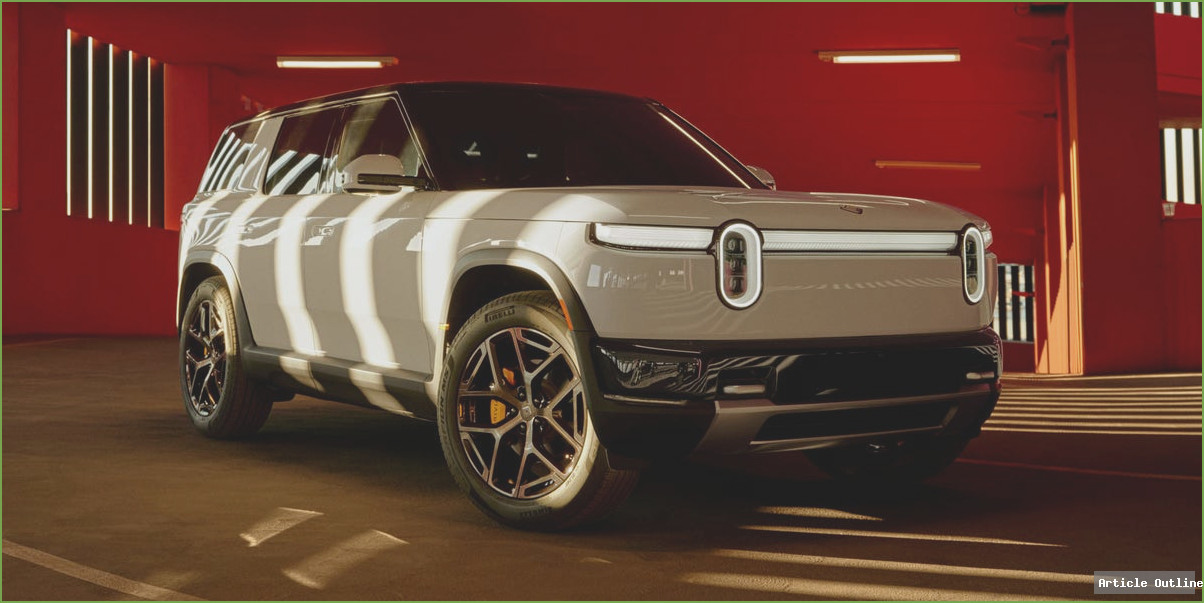
The 2028 Rivian R2 isn’t just another electric SUV—it’s a bold statement about where the EV market is headed and who gets to join the ride. With a base price under $50,000, Rivian is throwing open the doors for a much wider crowd, pushing the envelope in a way that the luxury-centric R1S never could. But what does this mean for buyers, competitors, and the broader EV landscape?
Why This Matters
- Mainstream EVs finally get real off-road chops. Until now, true adventure-ready electric SUVs have been priced for the elite. The R2 brings ruggedness, range, and tech to the upper-middle class.
- Direct shot at Tesla and Ford. With more rear-seat room than the Model Y and Mustang Mach-E, and a tech suite that rivals both, Rivian is clearly targeting mass-market leaders.
- Affordability without compromise. Despite the lower price, Rivian isn’t skimping on performance, safety, or luxury. That’s a huge shift.
What Most People Miss
- Subtle but significant upgrades over R1S: The R2 interior packs clever storage, a second glovebox, and a glass roof—details that matter for daily usability.
- Flexible powertrains: The R2 isn’t a one-size-fits-all SUV. Buyers can choose from a 350-hp single motor, a 450-hp dual motor, or a wild 656-hp dual motor. Performance is on par with (or better than) much pricier competition.
- Charging speed as a silent disruptor: Rivian’s 10-80% DC fast-charge in under 30 minutes is crucial for road trips—an area where many rivals fall short.
- Real-world practicality: 28.7 cubic feet of cargo with seats up, nearly 80 with them down. That’s genuinely useful for families and adventurers alike.
Key Takeaways
- R2 is the sweet spot for EV buyers—roomy, quick, stylish, and loaded with tech, but not priced into the stratosphere.
- Performance that impresses: 0–60 mph in as little as 3.6 seconds (Performance AWD) puts it in the ring with the Model Y Performance and leaves most non-Tesla competitors in the dust.
- Range that actually works: Up to 345 miles (RWD, Long Range)—a number that turns EV anxiety into EV confidence.
- Safety as standard: 11 cameras, 5 radar sensors, and advanced driver aids (including hands-free Autonomy+ for those who love to let the car do the work).
Industry Context & Comparisons
- Tesla Model Y: Still the sales juggernaut, but the R2 offers more rear space, a fresher interior, and more off-road credibility.
- Ford Mustang Mach-E: Mach-E matches on price but falls behind in cargo utility and raw performance.
- VW ID.4 & Hyundai Ioniq 5: Both are strong on value, but neither delivers the R2’s blend of tech, range, and ruggedness.
The R2’s arrival could push competitors to rethink both pricing and features—expect better value EVs across the board as a result.

Timeline: How We Got Here
- 2018: Rivian debuts with the R1T and R1S, carving out a premium EV adventure niche.
- 2022–2024: Rivian battles supply chain woes, but earns a cult following for quality and innovation.
- 2028: R2 launches, democratizing Rivian’s adventurous spirit and advanced tech.
Quick Pros & Cons
- Pros:
- Affordable price for premium EV
- Flexible, powerful drivetrain options
- Spacious, clever interior
- Strong safety and tech suite
- Cons:
- No Apple CarPlay/Android Auto
- Off-road ability not as extreme as R1S
- Subscription fee for hands-free driving
The Bottom Line
The 2028 Rivian R2 signals a new era for electric SUVs, where adventure, luxury, and price can finally coexist. It’s not just a “cheaper Rivian”—it’s a wake-up call for the industry. If you’ve been waiting for an EV that feels both aspirational and accessible, your wait may be over.