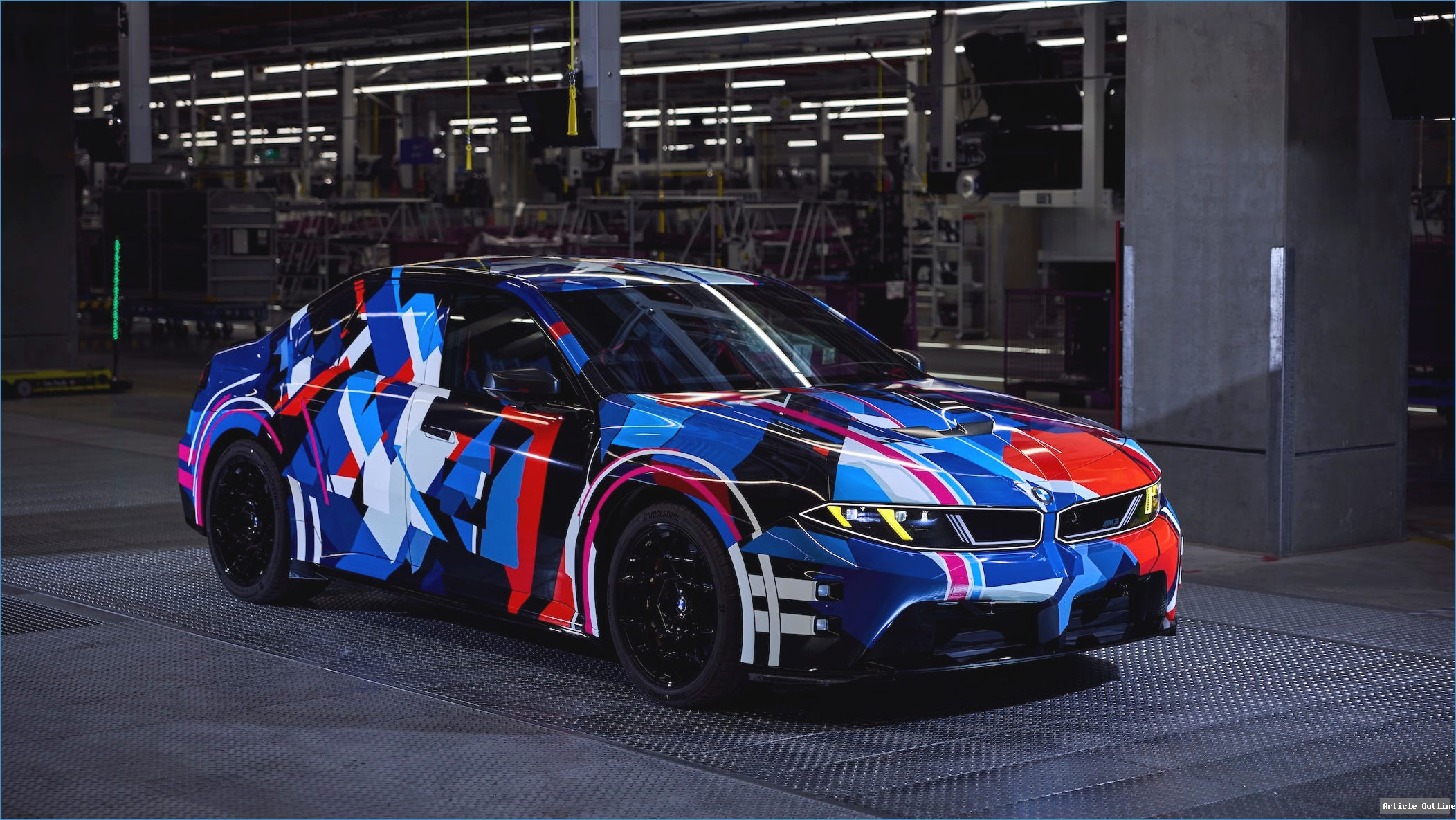
The latest camouflaged photos of the BMW M3 EV have car enthusiasts buzzing—not just because they show a production-ready electric sports sedan, but because they reveal how BMW is blending heritage with radical innovation. This isn’t merely an electric version of a legendary car; it’s a statement about the future of performance driving.
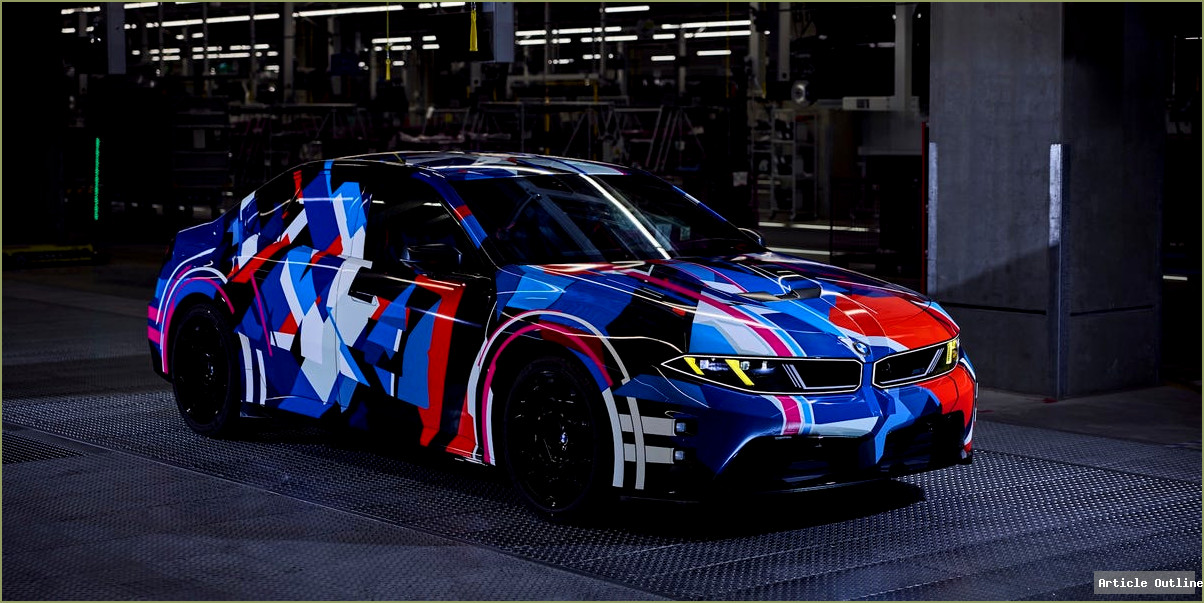
Let’s break down what makes the forthcoming M3 EV so significant—and why it could change the way we think about high-performance sedans.
Why This Matters
- BMW’s move to an all-electric M3 is a watershed moment for both the brand and the sports sedan segment. This is a halo car, and its electrification signals a commitment to performance without tailpipe emissions.
- The M3 EV will be the flagship of BMW’s new electric i3 series, launching on the Neue Klasse platform—a technological leap that brings advanced battery packs, quad-motor setups, and a new design language.
- Munich’s factory will transition to exclusive EV production by 2027, showing that BMW is betting big on electrification, not just dabbling.
What Most People Miss
- Quad-motor architecture isn’t just about raw power—it enables next-level handling dynamics. Each wheel gets its own motor, allowing for instant torque vectoring. Think: on-the-fly transitions between all-wheel drive and rear-wheel drive, tailored for both track days and daily commutes.
- The track-ready battery pack isn’t just about range; it also adds structural stiffness, improving the car’s chassis and cornering abilities. This is a subtle but crucial upgrade for enthusiasts.
- BMW’s “track lights” and evolving design cues are creating a new visual identity for electric M cars. These aren’t just aesthetic tweaks—they signal a break from tradition while keeping the M spirit alive.
Key Takeaways
- Performance DNA is alive and well in the electric era. Don’t expect the M3 EV to be a compromise—it’s shaping up to be a technological showcase.
- The production M3 EV closely mirrors the Neue Klasse concept, but with refined, real-world tweaks: less aggressive air intakes, sleeker fender flares, and a more production-ready silhouette.
- Market Impact: The M3’s transition to EV could force rivals like Audi and Mercedes-AMG to accelerate their own high-performance EV programs. The sports sedan wars are about to get electric.
Comparisons and Context
- Timeline:
- 2024: Camouflaged M3 EV prototypes first spotted.
- June 2024: Neue Klasse concept unveiled, previewing the M3 EV’s design.
- 2027: Munich plant goes all-electric; M3 EV expected to debut for 2028 model year.
- Other brands (Porsche with the Taycan, Audi with the e-tron GT) have shown that electric sports sedans can thrill. But BMW’s use of a quad-motor setup and track-focused battery tech could set a new benchmark.
Pros and Cons Analysis
- Pros:
- Instant torque and advanced handling from quad motors
- Distinctive design that bridges classic M cues and new EV identity
- Factory commitment to EVs ensures future-proof support
- Cons:
- Potential for higher curb weight due to battery packs
- Traditionalists may miss the sound and feel of BMW’s famed inline-six engines
- Pricing still unknown; could be a premium over ICE M3s
Action Steps & Practical Implications
- Enthusiasts should track BMW’s official news for specs and pricing details in 2027.
- If you’re considering a performance EV, the M3 EV could redefine expectations—watch for test drive opportunities as soon as it’s revealed.
- Dealers and investors: Prepare for demand shifts as BMW’s push to electrify the 3 Series sets new market trends.
“The BMW M3 EV isn’t just the next chapter for the M brand—it’s a declaration that the electric future can be just as thrilling as the past.”
The Bottom Line
The BMW M3 EV looks set to be a game-changer, blending cutting-edge electric technology with classic performance DNA. For drivers, this means the dawn of a new era—one with zero emissions, but zero compromise on driving excitement. Buckle up: the future of sports sedans is about to get shockingly fast.