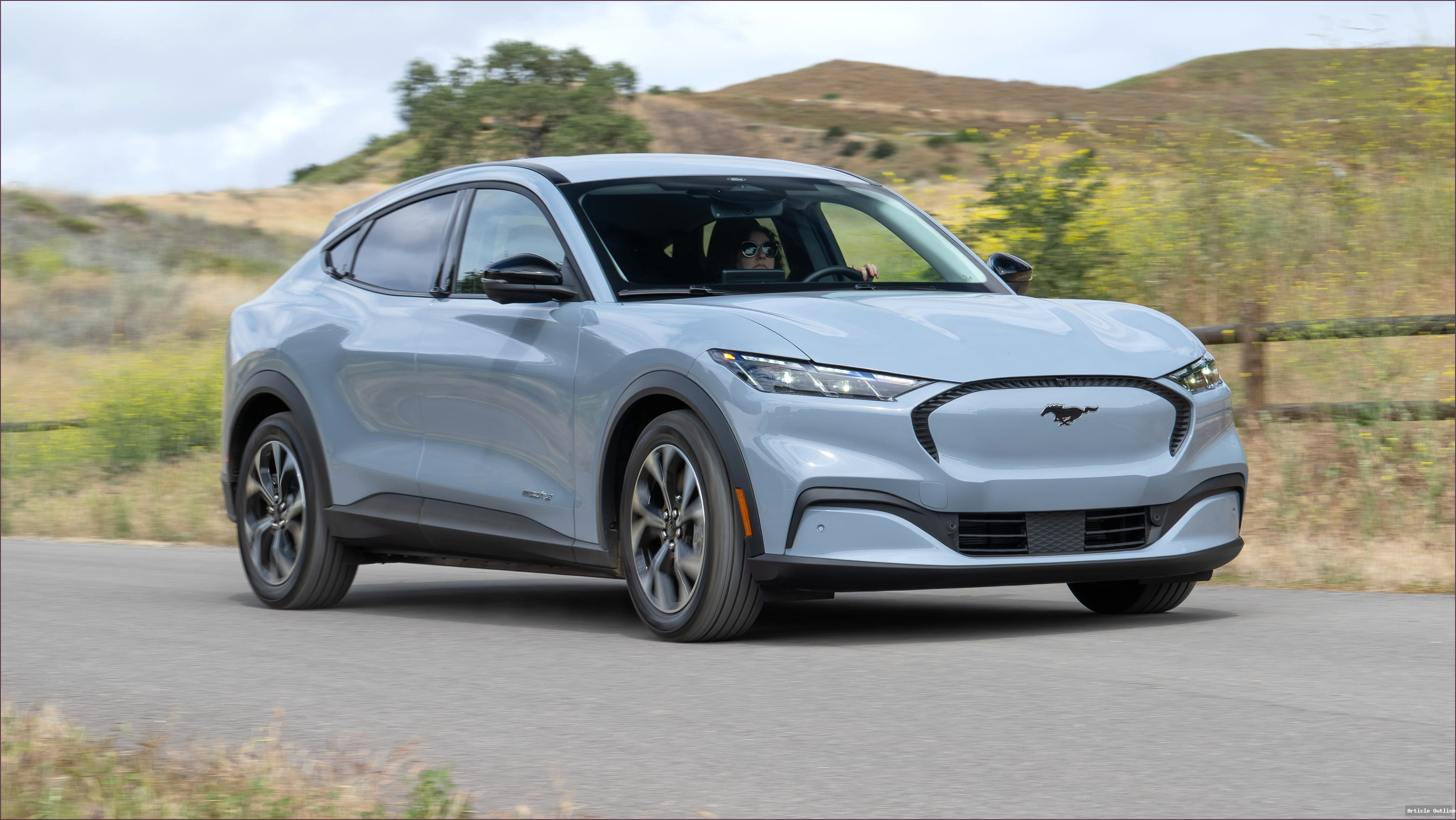
Ford is in hot legal water, but not for the usual reasons like recalls or emissions. This time, it’s about money—specifically, whether the automaker owes customers a piece of its $1.3 billion windfall from tariff refunds. The case, sparked by a Mustang Mach-E owner, is more than just a fight over a few grand; it could set a precedent for how companies handle pricing after regulatory reversals and has ripple effects across industries.
Why This Matters
- This isn’t just about Ford—Amazon, Nike, and Costco face similar lawsuits. If one case succeeds, expect a domino effect across corporate America.
- Legal precedent will be set for how companies must treat refunded government tariffs that were initially passed on to consumers.
- With $1.3 billion at stake for Ford alone, the financial implications are massive—not just for automakers but for all import-heavy industries.
- The outcome impacts consumer rights and sets expectations for transparency in pricing and corporate ethics.
What Most People Miss
- Double Recovery Risk: If Ford keeps both the refund and the customer’s tariff-inflated payments, it enjoys a double windfall—unfairly profiting twice from a government blunder. This is the heart of the “unjust enrichment” argument.
- Scope of Impact: While the lawsuit focuses on the Ford Mustang Mach-E, the implications stretch to every vehicle Ford imported during the tariff period—potentially hundreds of thousands of transactions.
- Other industries are watching closely; if customers can claw back money from Ford, similar claims could hit every retailer or manufacturer that hiked prices due to the tariffs.
- The Supreme Court’s decision did more than cancel a policy—it opened the door for refund litigation industry-wide.
Timeline: How Did We Get Here?
- 2018-2019: U.S. imposes tariffs on imports, including vehicles from Mexico.
- 2020-2023: Ford raises prices and destination fees, citing increased costs.
- 2024: Supreme Court rules tariffs unlawful under IEEPA; government agrees to refund companies like Ford.
- July 2024: San Diego customer files class-action suit demanding refunds for consumers.
Key Takeaways
- This lawsuit is a test case for consumer rights when companies get regulatory refunds.
- It highlights the lack of transparency in how companies pass costs—and savings—onto their customers.
- Class actions like this could force companies to automatically rebate customers when regulatory or tax costs are reversed.
Pros & Cons: If the Lawsuit Succeeds
- Pros for Consumers: Potential refunds, increased corporate accountability, and pricing transparency.
- Cons for Companies: Financial hit, administrative complexity, and a new precedent that could chill aggressive pricing in response to regulatory changes.
The Bottom Line
The Ford tariff refund lawsuit is more than a squabble over car prices—it’s a bellwether for how companies treat their customers when the rules change. If courts force Ford to pass tariff refunds back to buyers, it could permanently alter how pricing, refunds, and corporate windfalls are handled in the U.S. economy. Stay tuned—this could be the start of a much bigger wave.
Sources: