Ford’s announcement to rejoin the FIA World Rally Championship (WRC) as a full factory team in 2028 isn’t just a nostalgic nod to motorsport glory—it’s a strategic move that could redefine the driving experience for everyday car owners. Let’s unpack why this matters for both racing fans and the average commuter.
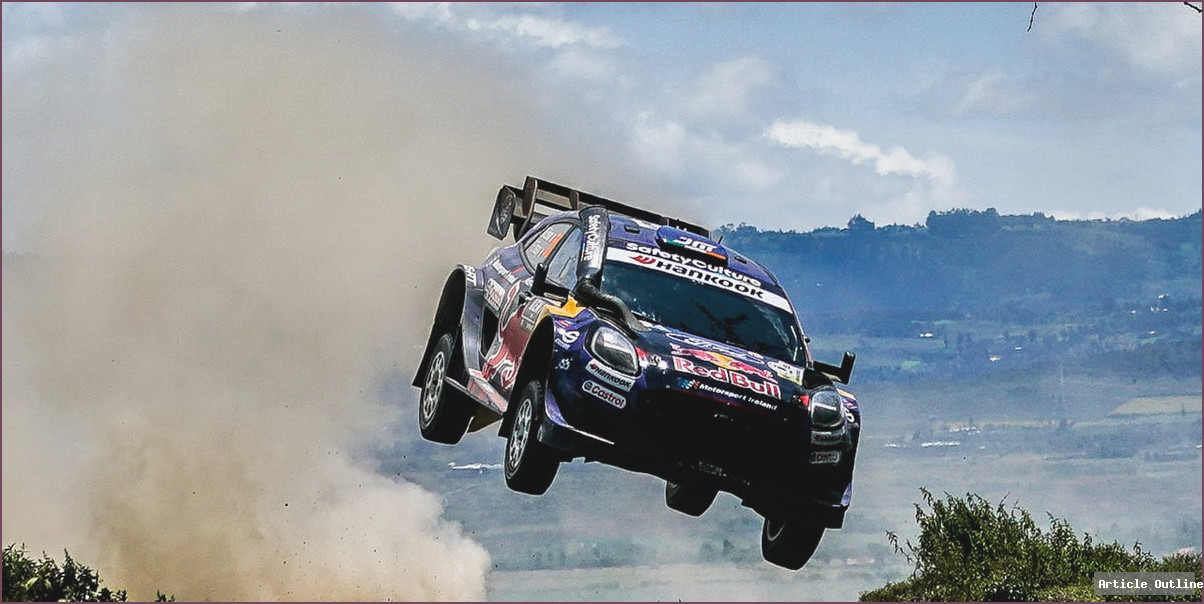
While the headlines focus on Ford’s return to high-octane competition, the real story is about how racing technology and spirit will trickle down to passenger vehicles—potentially turning mundane commutes into something worth looking forward to. This isn’t just about speed and spectacle; it’s about innovation making its way from the dirt tracks of WRC to your driveway.
Why This Matters
- Performance DNA Returns: Ford’s racing heritage—think Escort RS Cosworth and Focus RS—has always inspired its road cars. The new WRC effort is a signal that fun-to-drive, rally-inspired models may be back in the pipeline.
- Technology Transfer: Motorsport is the ultimate proving ground. Expect advances in AWD systems, suspension tuning, and lightweighting to shape future Ford passenger cars, especially in Europe.
- Market Impact: While the initial focus is Europe, history shows that rally-bred tech often finds its way to global markets—remember when the Focus RS and Fiesta ST became cult favorites in North America?
What Most People Miss
- This isn’t just racing for racing’s sake. Ford’s WRC return is intertwined with its product development cycle. The lessons learned will go beyond marketing—they’ll directly inform engineering choices.
- The timing is strategic. As EVs and hybrids take center stage, Ford’s commitment to performance and driving enjoyment shows that ‘fun’ isn’t being left behind in the electrification era.
- Europe is the proving ground, but the ripple effects are global. Ford’s global engineering footprint means that innovations won’t be siloed to one continent for long.
Key Takeaways
- Ford Racing is more than a badge—it’s a commitment to injecting passion into its future lineup.
- The 2029 WRC car will serve as a blueprint for new, rally-inspired passenger vehicles.
- This move could spark a renaissance of affordable, fun-to-drive cars in a market dominated by SUVs and crossovers.
- Ford is doubling down on its enthusiast base, even as the industry pivots towards electrification and autonomy.
Industry Context & Comparisons
- Trend Watch: Hyundai and Toyota have both leveraged WRC to burnish their performance credentials and inspire hot hatchbacks like the i20 N and GR Yaris.
- Sales Impact: Models with direct motorsport lineage often command higher loyalty and resale values—see Subaru’s WRX or Mitsubishi’s (now-legendary) Lancer Evolution.
- The ‘Halo Effect’: Motorsport success historically elevates the entire brand’s image, attracting younger buyers and enthusiasts.
What to Watch For
- Will Ford’s North American lineup benefit from this renewed focus, or will Americans be left watching from afar?
- Could this herald the return of icons like the Focus RS in the EV or hybrid era?
- How will Ford balance regulatory pressures for electrification with its renewed commitment to performance?
The Bottom Line
Ford’s WRC comeback is more than a racing headline—it’s a promise to inject excitement, innovation, and rally-bred DNA into the cars we drive every day. For enthusiasts, this could finally be the rally renaissance we’ve been waiting for. For Ford, it’s a bold reminder that performance still matters—even in an era obsessed with range and efficiency.