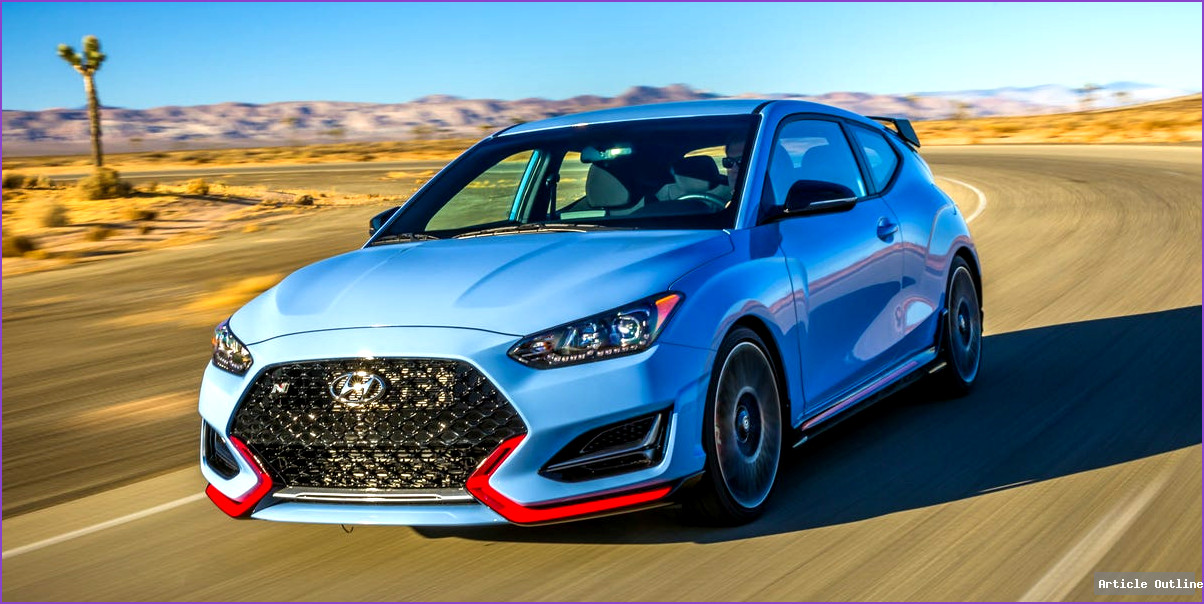
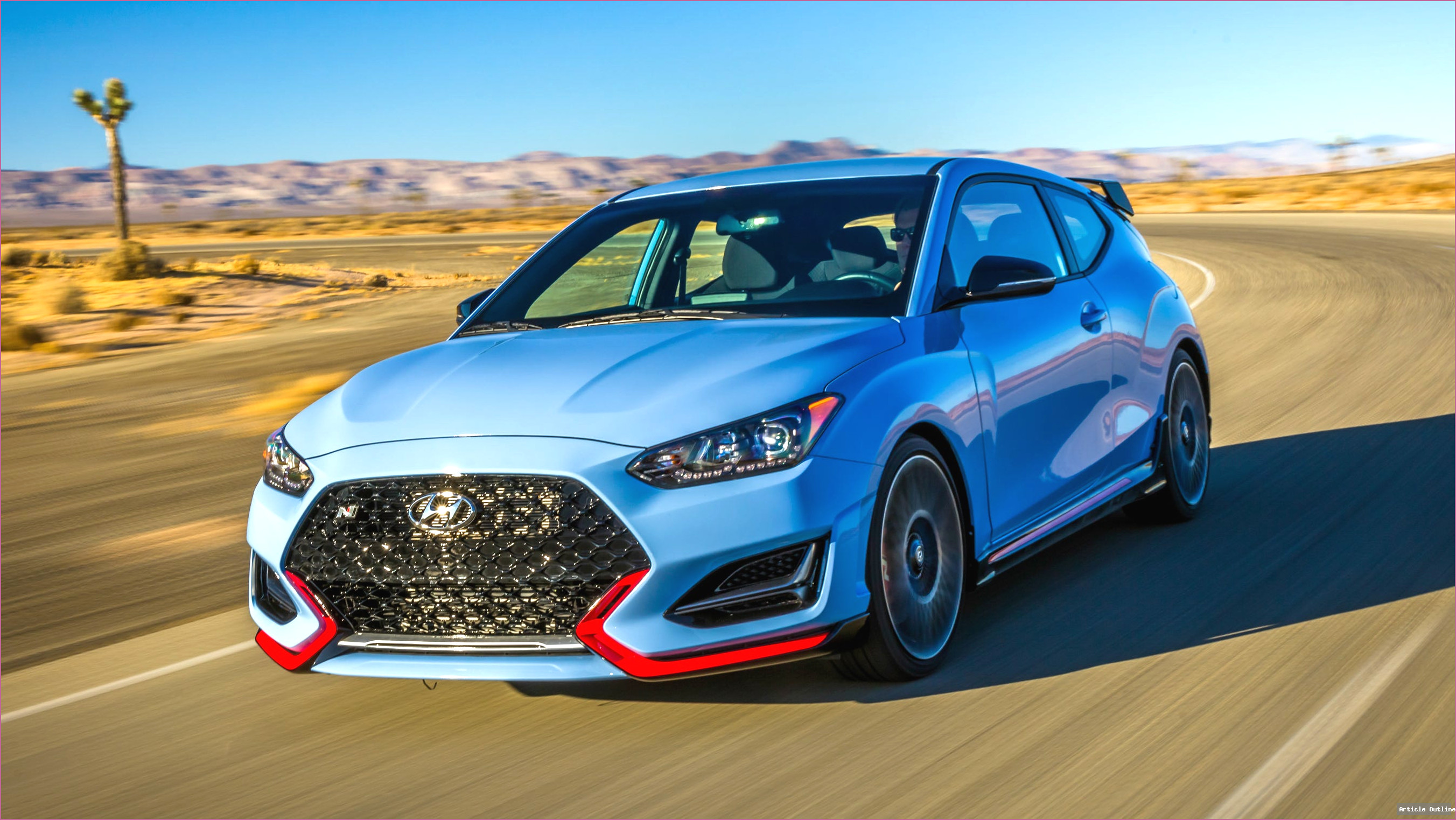
Hyundai’s recall of nearly 38,000 vehicles—including the 2019–2022 Veloster N and 2019–2023 Kona Electric—has sent a ripple through the automotive and tech worlds. But why does a seemingly straightforward software bug in the airbag system matter so much, and what does it say about the future of vehicle safety?
Let’s dig deeper than the headlines. This isn’t just another recall—it’s a wake-up call for how technology, safety, and consumer trust intersect in the era of smart cars.
Why This Matters
- Software now determines life-or-death outcomes in cars. A coding glitch can mean a safety system fails at the worst possible moment.
- This isn’t about a mechanical defect—it’s about digital reliability. As cars get smarter, their vulnerabilities change.
- The recall affects both traditional performance models and cutting-edge EVs, showing that no segment is immune.
What Most People Miss
- The error occurs when the Airbag Control Unit (ACU) reboots while writing to internal memory. This causes data corruption, potentially disabling both airbags and seatbelt pretensioners.
- A warning light is the only clue for drivers—if you miss or ignore it, you may not have protection in a crash.
- The issue took over a year of testing to replicate, highlighting the difficulty of finding and fixing modern automotive bugs.
Key Takeaways
- 331 incidents reported, zero injuries (so far). But with close to 38,000 cars affected, the risk is widespread.
- Hyundai will update the ACU software for free and reimburse owners for prior repairs—demonstrating how customer-focused recalls should be handled.
- Letters to owners and dealers will go out on January 1, 2027—a surprisingly distant date, raising questions about recall timelines.
Industry Context & Comparisons
- This is reminiscent of the infamous Takata airbag recalls, but with a digital twist. Instead of faulty hardware, it’s a coding lapse that threatens safety.
- Statistics: The National Highway Traffic Safety Administration (NHTSA) reports that software-related recalls have doubled in the past decade as vehicles become more computerized.
- Other automakers, including Tesla and Ford, have issued over-the-air safety recalls for similar software-related issues—a growing trend in the industry.
Pros and Cons of Software-Driven Safety
- Pros:
- Rapid fixes via software updates
- Potential for over-the-air (OTA) recalls in the future
- Improved diagnostics and monitoring
- Cons:
- Invisible vulnerabilities—drivers may not realize their safety systems are compromised
- Reliance on owners to notice and act on warning lights
- Potential for more complex, hard-to-diagnose issues
Action Steps for Affected Owners
- Check if your Veloster N or Kona Electric is included (see official recall documents).
- Look for the airbag malfunction indicator on your dashboard.
- Contact your Hyundai dealer as soon as you receive the recall notice for a free software update.
- Keep all receipts for out-of-pocket repairs—Hyundai will reimburse you if you already paid for this fix.
The Bottom Line
Modern cars are rolling computers, and even a single line of code can make the difference between safety and disaster. Hyundai’s proactive recall is good news, but it also underscores the new responsibilities drivers and automakers face in the digital age.
As vehicles get smarter, staying informed and acting quickly on recalls is more important than ever. Don’t ignore that little warning light—it might just save your life.