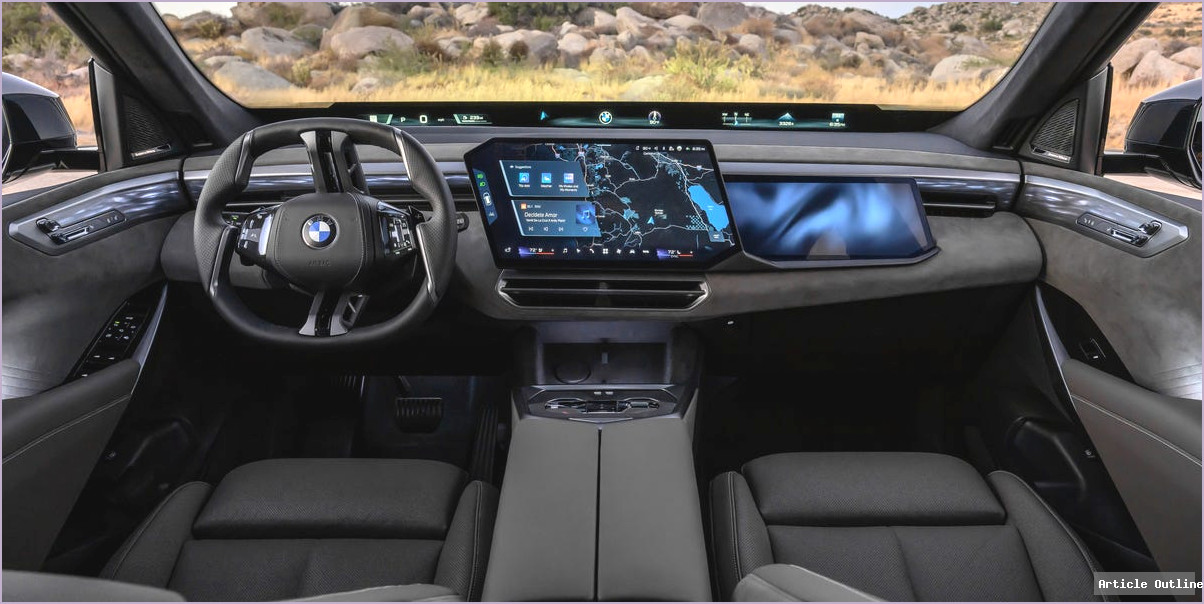
The 2027 BMW X5 is making waves for more than just its sleek exterior—step inside, and you’re greeted with an interior that pushes boundaries and challenges expectations in the luxury SUV segment. This isn’t just an incremental update; it’s a bold redesign that signals where BMW (and the industry) is headed.
So, what’s changed, and why does it matter? Let’s break it all down—and look beyond the usual ‘bigger screens and more leather’ story.
Why This Matters
- BMW’s new dashboard signals a radical shift towards digital-first, immersive experiences in mainstream luxury SUVs.
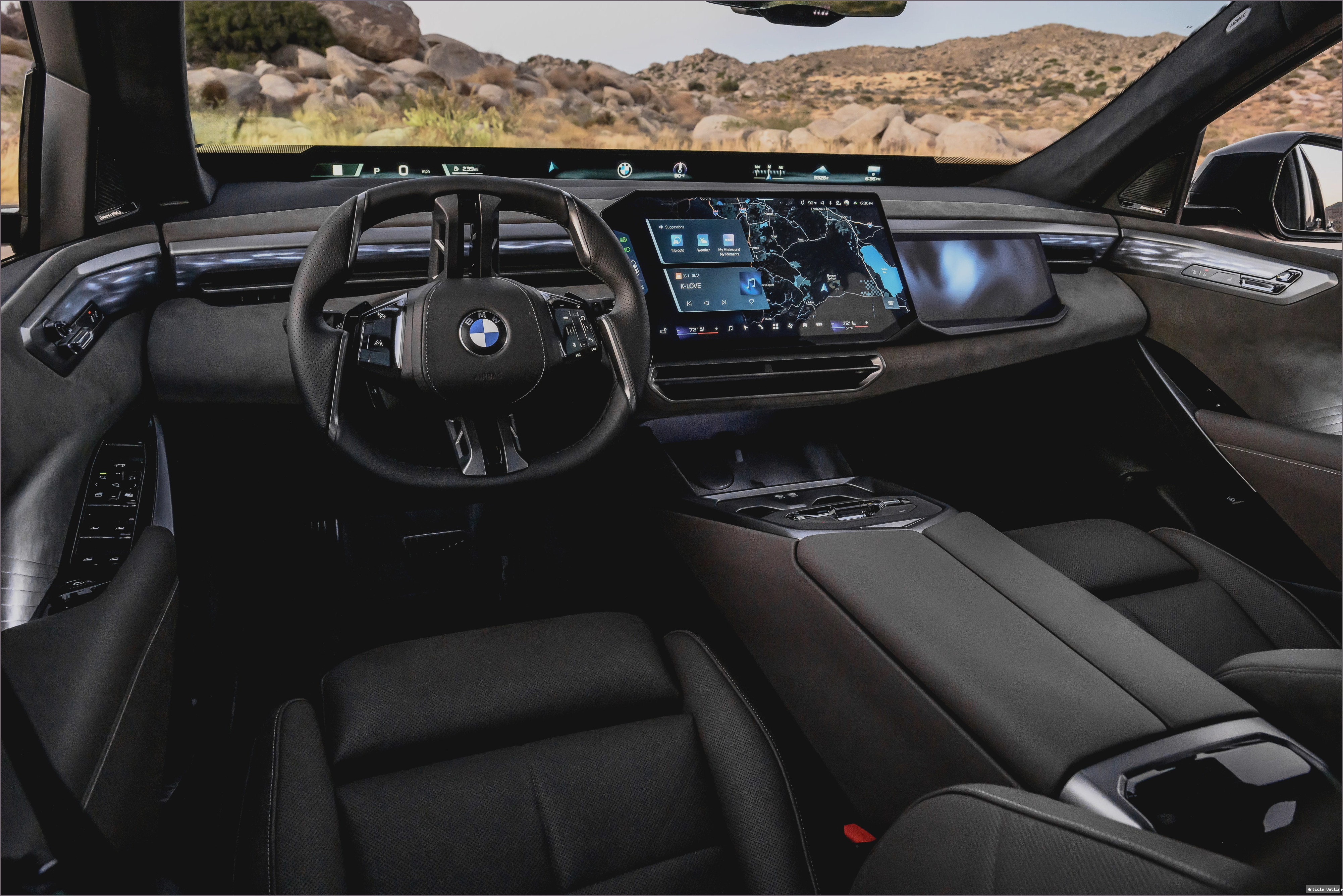
- The inclusion of a Panoramic Vision display and optional passenger screen isn’t just about tech—it’s about redefining how drivers and passengers interact with their vehicles.
- These changes set a new bar for competitors like Mercedes, Audi, and Lexus, who must now respond or risk falling behind in the digital cockpit race.
What Most People Miss
- The parallelogram-shaped central display is more than a design gimmick. It’s a statement: car interiors are evolving to prioritize screen real estate and seamless integration of infotainment, navigation, and vehicle controls.
- The Panoramic Vision system—stretching across the dashboard—blurs the line between traditional dashboards and heads-up displays. Expect future vehicles to further minimize physical buttons and maximize user-customizable digital surfaces.
- That $1600 passenger screen option isn’t just about entertainment. It’s a precursor to multi-zone digital environments, where each occupant has personalized control over their in-car experience—think streaming, navigation, or even productivity features for business travelers.
- The wider selection of upholstery (some at extra cost) reflects a trend: luxury buyers now demand both personalization and sustainability. Expect more recycled and vegan material options in coming years.
Key Takeaways
- BMW is betting big on in-cabin technology as the new battleground for luxury.
- Physical comfort remains paramount—the rear seats offer more legroom and versatile 40/20/40 folding, showing that practicality hasn’t been sacrificed for flash.
- Optional features (like the passenger screen) are becoming major profit centers for automakers. Expect more “pay-to-play” digital upgrades in the future.
Pros & Cons of the 2027 BMW X5 Interior
- Pros:
- Stunning digital displays and modern design
- Highly customizable upholstery and tech features
- Improved passenger comfort and rear legroom
- Flexible cargo space with folding seats
- Cons:
- Some features (like the passenger screen) are pricey add-ons
- Potential learning curve for new digital controls
- Traditionalists may miss tactile buttons and analog simplicity
Industry Context & Comparisons
- Mercedes-Benz’s Hyperscreen and Audi’s Virtual Cockpit are direct competitors, but BMW’s Panoramic Vision display is arguably the boldest move in the segment yet.
- The push for digital, customizable interiors is also seen in EV startups like Lucid and Rivian—BMW is ensuring it doesn’t get left behind by Silicon Valley disruptors.
- According to J.D. Power, over 70% of luxury SUV buyers now cite in-cabin technology as a top purchase driver—up from just 40% a decade ago.
Action Steps & Practical Implications
- If you’re shopping for a luxury SUV, prepare for a future where digital features drive both price and experience. Test the tech in-person—ergonomics matter!
- Consider whether pricey options like the passenger screen genuinely add value for your needs, or if they’re just cool party tricks.
- If you’re a current X5 owner, expect a learning curve—but also a more future-proof and connected driving environment.
The Bottom Line
The 2027 BMW X5 interior isn’t just a redesign—it’s a redefinition of luxury for the digital age. BMW’s bold approach will force other automakers to step up their game. For buyers, the line between car and connected device continues to blur, making the test drive more about pixels per inch than horsepower.