When car culture meets aviation history, you get a photo gallery that doesn’t just wow your eyes—it sparks a conversation about American innovation, power, and identity. The 1999 Roush Ford Mustang Stage 3 squares off against the legendary P-51D Mustang fighter plane. This isn’t just about muscle versus muscle—it’s about two icons, decades apart, each representing the high-water mark of their era’s engineering and spirit.
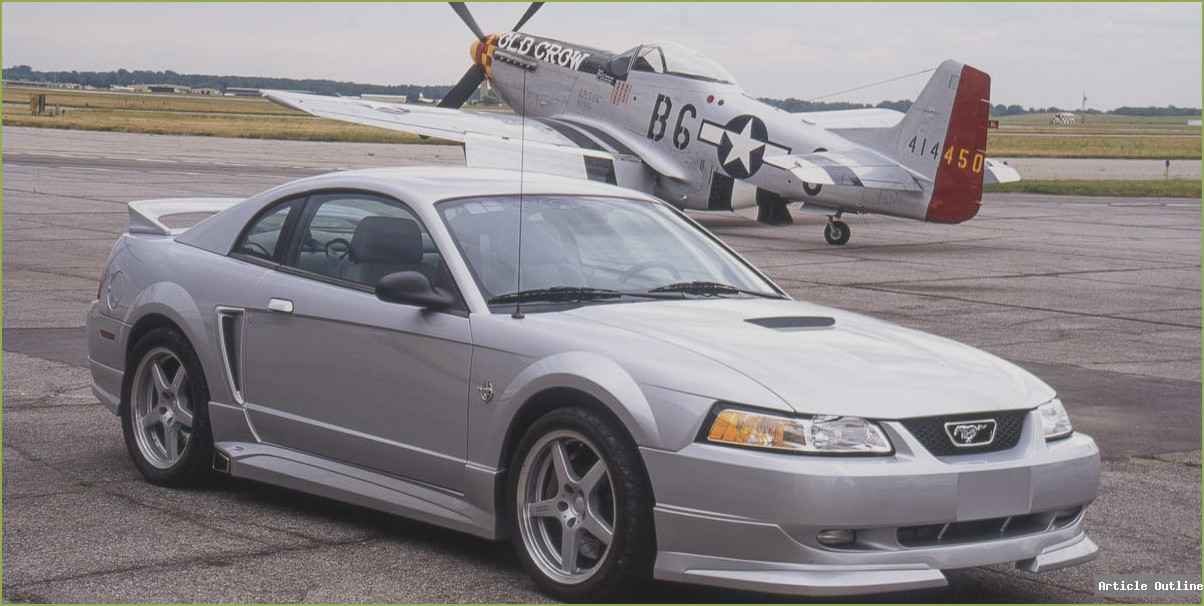
So, what makes this pairing more than just a snazzy photo op?
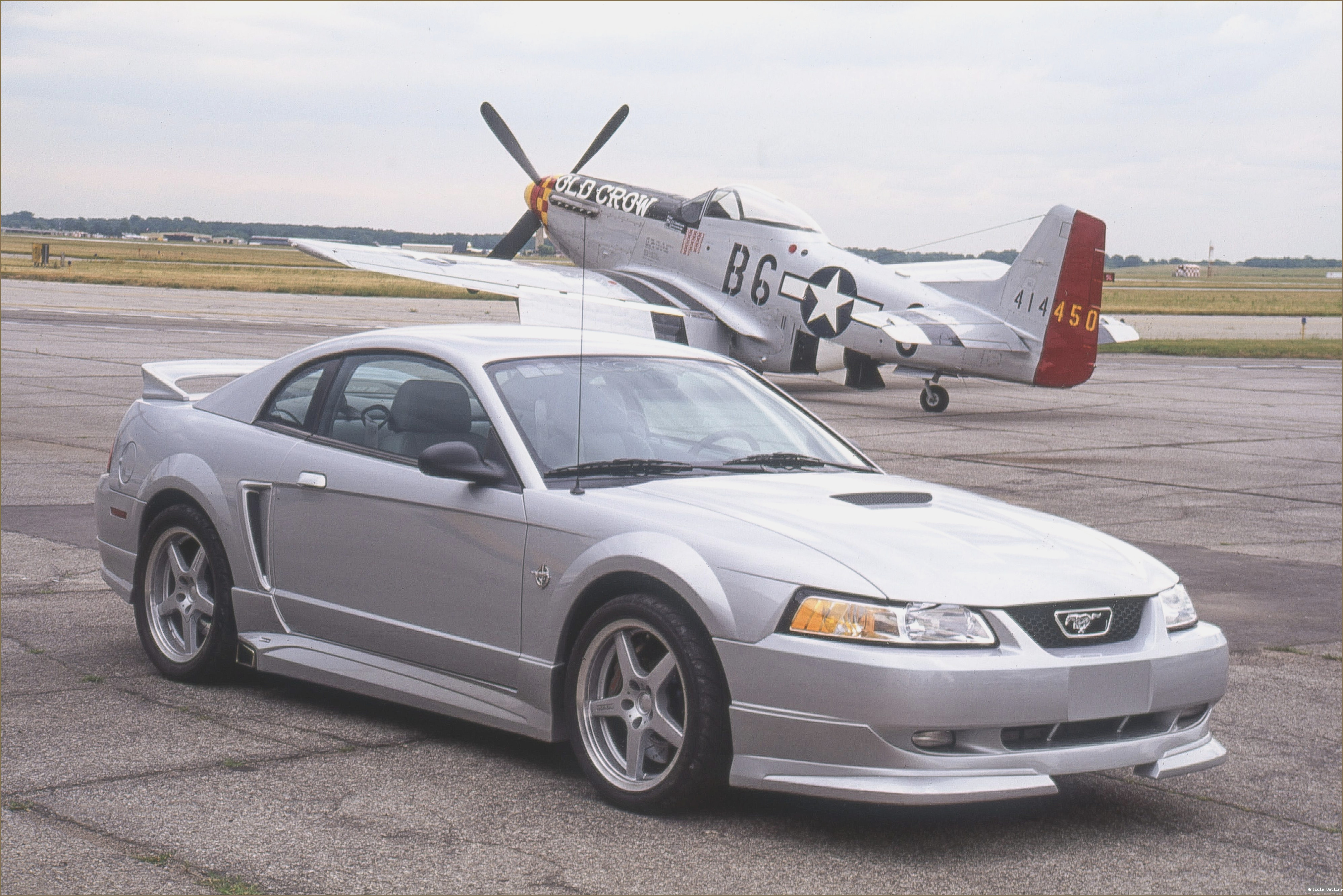
Why This Matters
- Cultural Legacy: The Ford Mustang is as American as baseball and apple pie, but the P-51 Mustang is the very definition of wartime heroism. Together, they represent the evolution of the American dream—from the skies to the streets.
- Engineering Progress: The jump from 1940s aviation to turn-of-the-century automotive tech is staggering. The P-51D could hit 437 mph at 25,000 feet with its 1,490-hp Merlin V-12 engine. Meanwhile, the Roush Stage 3 Mustang cranks out 360 hp and sprints to 60 mph in under 5 seconds—a marvel for a street-legal car of its time.
- Iconic Design: Both machines have unmistakable silhouettes. The long nose and aggressive stance of the P-51D inspired the muscular styling cues of the Mustang car line, a nod to its aviation roots.
What Most People Miss
- Shared DNA: The Mustang car was literally named after the fighter plane, but the connection runs deeper. Both broke the mold in their classes, delivering performance that vastly exceeded expectations—and both became cultural touchstones, not just products.
- Performance Context: In their respective eras, both machines were accessible powerhouses. The P-51 was mass-produced for the war effort, while the Mustang brought high performance to the American middle class in the 1960s and beyond.
- Parallel Evolution: Both have seen countless upgrades, special editions, and passionate enthusiast communities. Try finding a car club or airshow without a Mustang—good luck!
Key Takeaways
- Both Mustangs symbolize freedom, speed, and audacity.
- Design influences travel both ways: The P-51’s fighter aesthetic inspired the car, and the Mustang’s name has kept the plane’s legacy alive for new generations.
- Innovation is timeless: Whether in the air or on the road, pushing boundaries is what makes something iconic.
Quick Stats: Mustang vs Mustang
- P-51D Mustang (1944): 1,490 hp, 437 mph, 1,000-mile range, key player in winning WWII’s air war.
- Roush Stage 3 Mustang (1999): 360 hp, 0-60 mph in 4.9 seconds, supercharged V8, modern muscle legend.
Pros and Cons: Power on the Ground vs Power in the Sky
- Roush Mustang Pros: Accessible, street-legal, endlessly customizable, daily drivable muscle.
- Roush Mustang Cons: Can’t quite fly (unless you’re REALLY unlucky).
- P-51 Mustang Pros: Historic, fastest piston-powered fighter of WWII, unmatched presence.
- P-51 Mustang Cons: Needs a runway, a pilot’s license, and a war to fight.
The Bottom Line
The Roush Mustang vs P-51 Mustang photo comparison is more than nostalgia—it’s a study in how legends inspire legends. The Mustang badge is a living link between two generations of American ingenuity. Whether you’re a gearhead or an aviation buff, this pairing is a reminder: when you push boundaries, you make history.