Mazda’s move to absorb the two-row CX-70 into the three-row CX-90 lineup for 2027 isn’t just a matter of cleaning up a confusing product catalog—it’s a strategic pivot that says a lot about where the SUV market (and Mazda) is headed. Let’s dig into why this decision matters for buyers, what industry insiders are noticing, and what practical takeaways you should know before shopping for a new Mazda SUV.
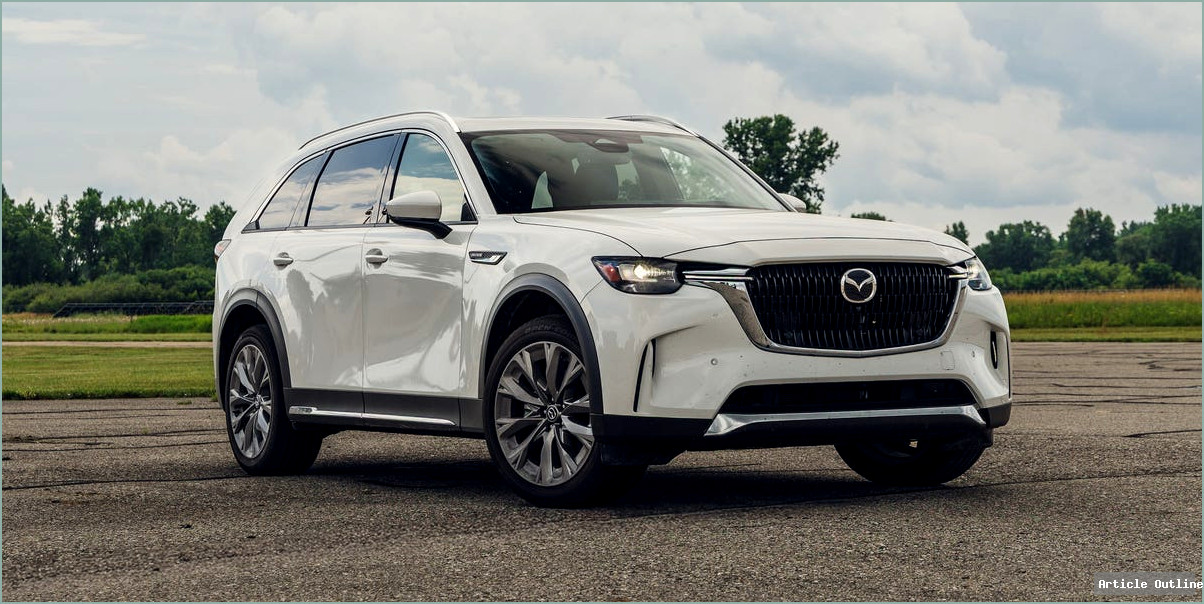
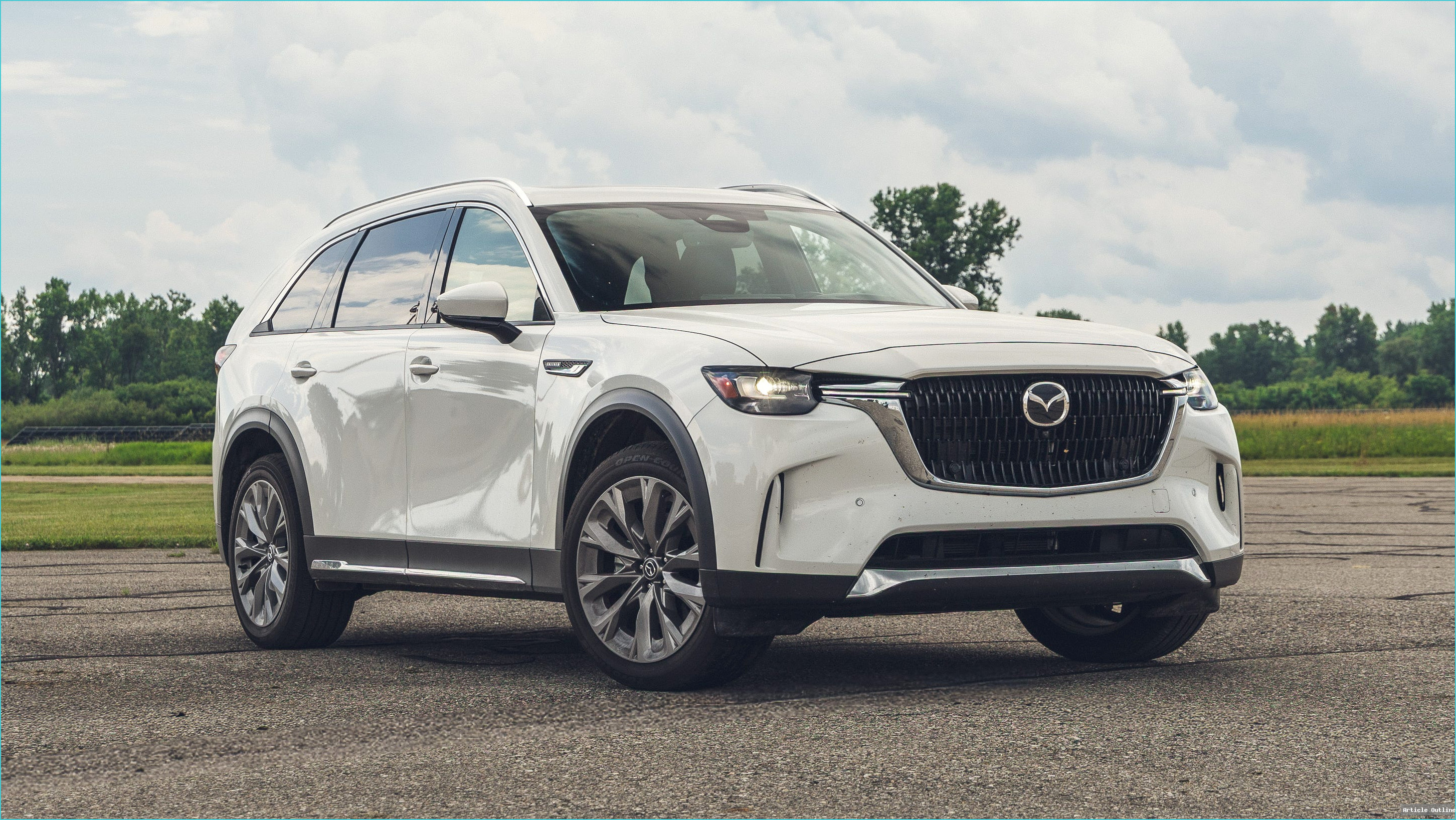
This isn’t just a badge swap. The CX-70—introduced only in 2025 as a two-row sibling to the three-row CX-90—will now vanish, with Mazda rolling its two-row variant into the CX-90 lineup. The result? Fewer standalone choices, but a more streamlined, arguably smarter, product offering.
Why This Matters
- Mazda is aligning its U.S. strategy with market realities: Three-row SUVs dominate family buyers’ wish-lists, but there’s still a niche for two-row midsize crossovers. Instead of splitting hairs (and marketing budgets), Mazda is betting on flexibility within a single nameplate.
- Fewer trims, clearer choices: Most buyers get decision fatigue when faced with too many near-identical options. By consolidating, Mazda is helping shoppers focus on the features that matter—rather than getting lost in branding.
- Better resource allocation: Maintaining separate lines for nearly identical vehicles is expensive. Mazda can now channel more R&D and marketing muscle into the CX-90, potentially boosting quality and features across the board.
What Most People Miss
- The two-row CX-90 is now more exclusive. Only select trims (Turbo Premium Sport and Turbo S Premium Sport) offer the two-row option, making it a more premium, less commoditized choice.
- Subtle, but meaningful, mechanical upgrades: The 2027 CX-90 brings revised rear suspension bushings and a new crossmember, aiming for a smoother ride. These tweaks may not make headlines, but they’re exactly the sort of incremental improvement that can shift a vehicle from ‘good’ to ‘great’ in real-world comfort.
- Color exclusivity as a market signal: New shades like Metal Copper Metallic and Zircon Sand Metallic are reserved for two-row models, subtly positioning them as more stylish or aspirational choices.
Key Takeaways
- Pricing for 2027 starts at $41,345 (Turbo Select), with two-row trims starting at $48,525.
- Plug-in hybrid options remain, starting at $52,340.
- The two-row format is now a premium choice, not an entry-level one.
Industry Context & Comparisons
- Market trend: Several automakers are consolidating SUVs to avoid cannibalizing sales. Ford did something similar with the Edge and Explorer lines.
- Consumer impact: According to J.D. Power, buyers prefer simplified lineups that make the shopping process easier. This is Mazda’s answer to that feedback.
- Competitive landscape: Mazda’s two-row CX-90 now competes more directly with premium two-row SUVs (think Hyundai Santa Fe, Honda Passport, or even the new Toyota Crown Signia).
Pros and Cons Analysis
- Pros:
- Streamlined buying process
- Potential for improved feature content and quality
- Distinctive two-row models with unique color choices
- Cons:
- Fewer trim choices for two-row fans
- Possibly higher entry price for two-row configurations
- May frustrate buyers seeking lower-priced two-row options
Action Steps for Shoppers
- If you want a two-row Mazda SUV, act fast on remaining CX-70 inventory, or be prepared to step up to higher trims in the CX-90 lineup.
- Compare plug-in hybrid pricing and incentives if you’re eco-minded.
- Watch for real-world reviews of the updated suspension—comfort improvements could be a game-changer.
The Bottom Line
Mazda’s decision to fold the CX-70 into the CX-90 lineup is more than just a model shuffle—it’s a sign of smarter, more focused strategy in a crowded SUV market. For buyers, it means clearer choices, modern engineering tweaks, and a more premium flavor for the two-row experience. The era of badge-engineered, lookalike SUVs is fading, and Mazda’s streamlining should ultimately benefit both enthusiasts and families alike.