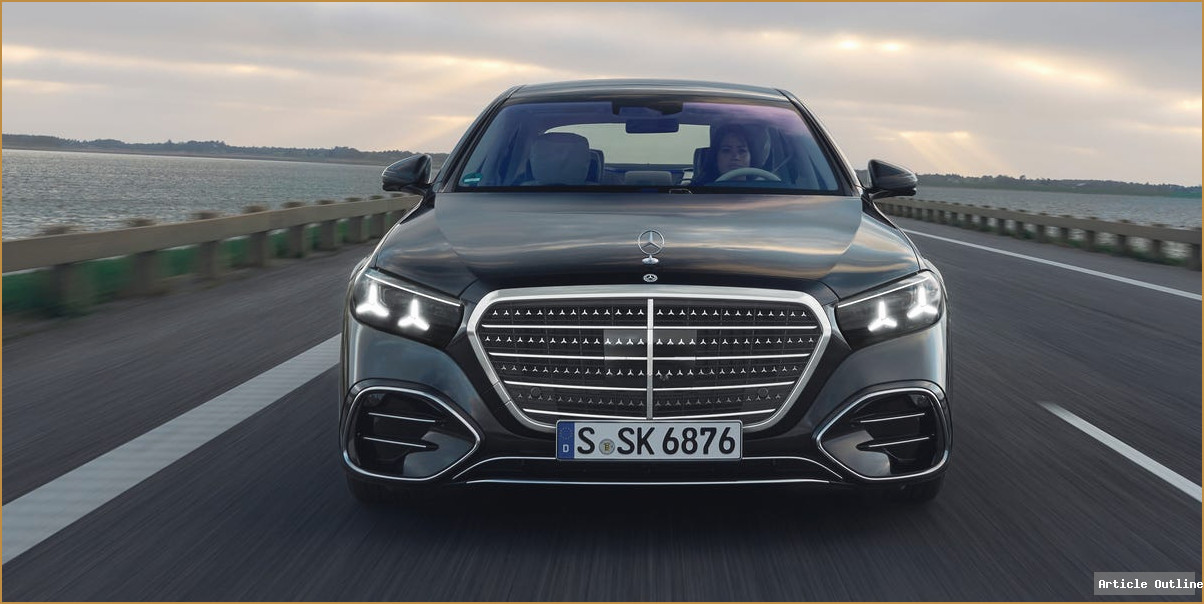
The U.S. Senate is shaking up the automotive landscape with legislation that could bar carmakers with significant Chinese ownership from selling vehicles stateside. Mercedes-Benz suddenly finds itself in the crosshairs—despite being an iconic German brand. The story is far more complex than just a headline about a potential ban. Let’s unpack why this moment matters, what most observers are missing, and where the industry goes from here.
Why This Matters
- Global auto supply chains are deeply intertwined. A move against Mercedes-Benz sends ripples through the entire industry, affecting not just German and Chinese firms, but American automakers too.
- This is about more than cars—it’s about economic security and geopolitics. The legislation reflects growing U.S. concern over Chinese influence in strategic industries.
- The outcome could redefine foreign investment in U.S. markets. If passed, the law may set a precedent for scrutinizing ownership structures in other sectors.
What Most People Miss
- It’s not just Mercedes-Benz. Other brands, such as Polestar (already banned starting 2027) and potentially Volvo, are also caught up in this web due to their Chinese connections.
- This is a chess match between automakers. Lawmakers admit that General Motors is lobbying for the legislation—potentially to give Cadillac an edge by eliminating a key competitor.
- The “ban” isn’t imminent or absolute. Mercedes may have until 2030 to comply, with possible waivers on the table. The process is more nuanced and slower than the headlines suggest.
- Foreign investment in the auto industry is nothing new. For decades, mutual stakes have funded innovation and growth. The sudden shift in attitude is a sign of rising nationalism and protectionism.
Key Takeaways
- If this legislation passes, Mercedes-Benz will have a tough choice: restructure ownership, seek waivers, or face a potential ban.
- The move could escalate U.S.-China tensions in the auto sector, leading to retaliatory measures or further decoupling.
- Consumers could face fewer choices and higher prices as competition is restricted.
- U.S. automakers may benefit in the short term, but risk long-term innovation slowdowns due to reduced global collaboration.
Timeline: How Did We Get Here?
- 2023: U.S. lawmakers begin scrutinizing Chinese investments in sensitive industries.
- June 2024: Senate Commerce Committee approves the bill targeting automakers with >15% Chinese ownership.
- July 2024: News breaks that Mercedes-Benz, with nearly 20% Chinese ownership (Geely and BAIC), could be affected.
- 2027: Polestar, owned by Geely, will be banned from selling in the U.S.
- 2030: Mercedes-Benz’s compliance deadline, if the bill becomes law in its current form.
Pros and Cons Analysis
- Pros for U.S. Industry: Reduces foreign competition, potentially strengthening domestic brands. Could protect sensitive tech and intellectual property.
- Cons for Consumers: Less choice, possible price hikes, and slower innovation.
- Cons for the Global Market: Disrupts investment flows, may trigger retaliatory bans abroad, and weakens global cooperation.
Expert Commentary
“This is less about Mercedes-Benz, and more about drawing a line in the sand for future foreign investments. The auto sector is just the beginning.” – Auto industry analyst
The bottom line? This legislation is a seismic policy shift, not just a spat about one brand. It signals a new era of industrial policy where ownership matters as much as origin—a reality every global automaker must now navigate.
The Bottom Line
While a Mercedes-Benz ban in the U.S. isn’t a done deal, the debate reveals a tectonic shift in how America views foreign ownership, economic security, and global partnerships. Whether you’re a car buyer, investor, or industry insider, this is a story to watch closely—because the aftershocks will be felt far beyond the showroom floor.