Mercedes-Benz is stepping up its game with the upcoming MB.Drive Assist Pro system, aiming to bring more autonomy—and, controversially, more caution—to everyday driving. While rivals like GM, Ford, and BMW have been flaunting their hands-free systems for years, Mercedes is carefully threading the needle between innovation and safety. Is this a masterstroke of German engineering, or simply a case of too little, too late?
Let’s cut through the marketing and look at what this tech really means on the road—and why it matters for the future of both driving and car ownership.
Why This Matters: The Real Stakes in Assisted Driving
- Safety and Trust: With self-driving tech under heavy scrutiny after several high-profile incidents, Mercedes’ conservative approach might actually build more public trust—even if it means trailing competitors in features.
- Ownership vs. Ride-Hailing: While Waymo and Zoox are showing off fully driverless taxis, Mercedes is focusing on tech you can actually own. This signals a commitment to empowering drivers, not just cities or tech companies.
- Regulatory Caution: With regulations tightening and the legal landscape shifting (see Tesla’s recent legal woes), Mercedes’ slow-and-steady strategy may prove wise in the long run.
What Most People Miss: The Nuances Beneath the Hype
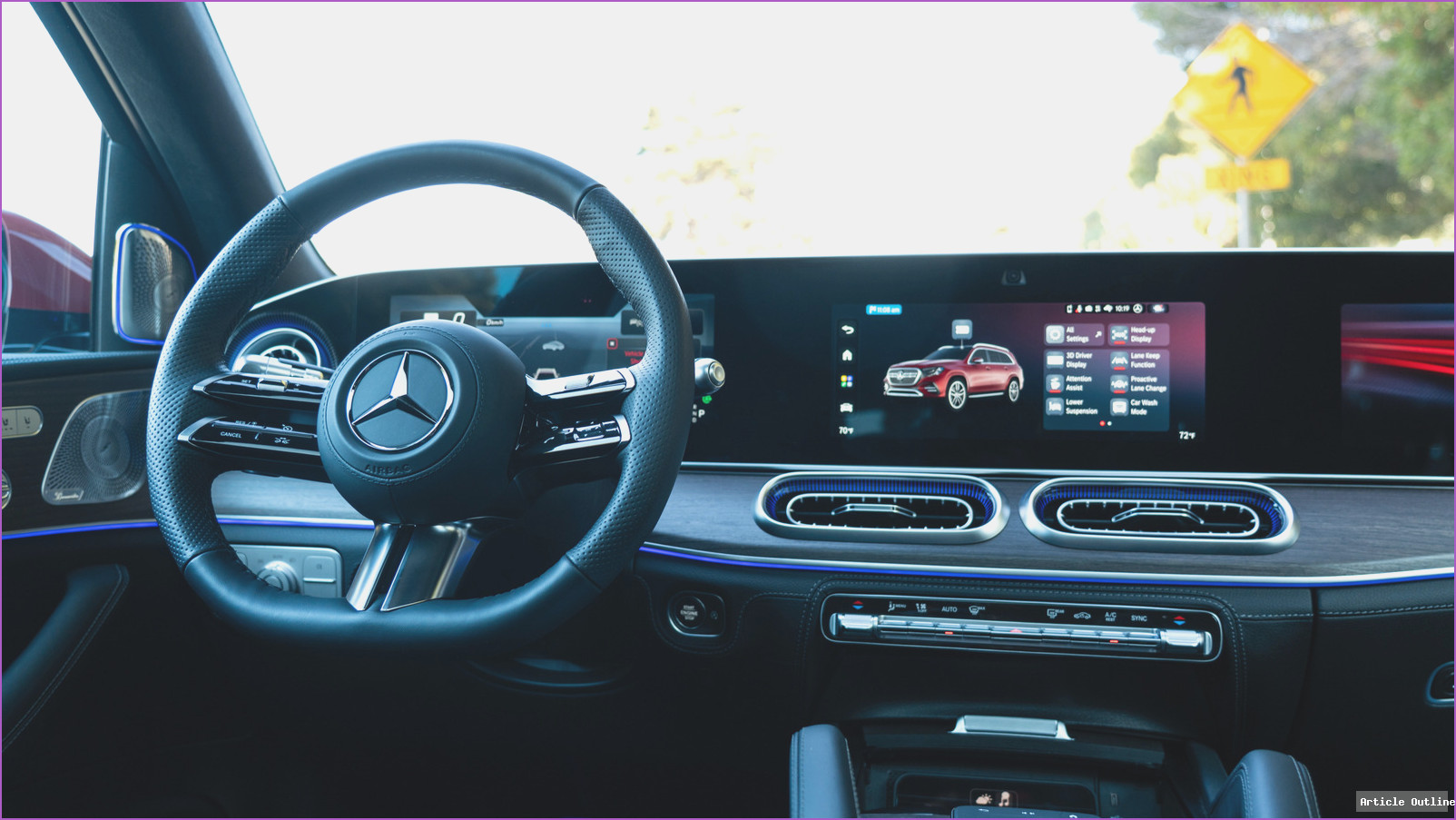
- Interface Frustrations: Subtle visual cues on the dashboard—like the color of a steering wheel icon—can make or break the user experience. Mercedes’ indicators, critics note, are easy to miss in bright sunlight or hidden behind the steering wheel. That’s not just nitpicking; it’s about safety and driver confidence.
- Manual Override: The MB.Drive Assist Pro system is easy to override (just grab the wheel), but resuming hands-free mode can take 10–20 seconds—a notable lag compared to the near-instant re-engagement on Super Cruise or BMW’s Highway Assistant.
- Frequent Disengagements: During highway tests, the system often requested drivers to take over, sometimes without an obvious reason. While this is safer in theory, it makes the system less relaxing than competitors’ offerings.
Key Takeaways: The State of Mercedes Autonomy
- City Navigation Shines: MB.Drive Assist Pro’s hands-on city navigation is impressive, smoothly handling complex urban scenarios with only rare need for driver intervention. That’s a win for anyone who dreads city traffic.
- Highway Needs Work: Mercedes’ system lags behind GM, Ford, and BMW in highway autonomy—frequent disengagements and clunky interface design are clear drawbacks.
- Customization Ahead: Mercedes is considering an “aggression slider” for driving behavior, giving drivers the ability to choose between cautious or assertive navigation. This could redefine personal comfort with AI-driven cars.
- Safety Over Speed: The incremental rollout strategy emphasizes reliability and safety—likely a response to regulatory and public pressure, but also a reflection of Mercedes’ brand values.
Pros & Cons Analysis
- Pros:
- Highly capable urban navigation with minimal driver input
- Easy manual override, no “wrestling for control”
- Focus on safety and conservative handoffs
- Potential for user-customizable driving style
- Cons:
- Highway hands-free system disengages too often
- Interface cues can be easy to miss
- Lags behind rival systems in hands-free highway functionality
- Release dates (2027 and beyond) feel late given competitors’ head start
Industry Context & Comparisons
- Market Landscape: GM Super Cruise, Ford BlueCruise, and BMW Highway Assistant all offer robust hands-free highway driving today. Mercedes is late, but betting on a more refined, safer system—think “tortoise vs. hare.”
- Legal & Safety Trends: Following lawsuits and regulatory investigations into other automakers’ assisted driving incidents, Mercedes’ caution could become a competitive advantage once the regulatory dust settles.
The Bottom Line: Is Mercedes Playing It Too Safe?
Mercedes-Benz’s MB.Drive Assist Pro system is a paradox: the company is both late to the hands-free highway party and quietly leading in real-world city navigation. If you want the latest, flashiest hands-free tech for the open road, look elsewhere—at least for now. But if your priority is safety, reliability, and a more natural transition to partial autonomy in urban environments, Mercedes might just have the formula right.
As the autonomous vehicle arms race heats up, expect Mercedes to double down on incremental, trust-building features—while competitors race ahead (and sometimes stumble) with riskier bets.