The 2028 Mercedes-Benz GLA-Class interior has just been unveiled, and while the photos are making headlines, there’s a lot more to this cabin than meets the eye. Mercedes is making bold moves in design, technology, and user experience—so let’s dig into what really matters, why this interior is different, and how it signals where the luxury compact crossover market is heading.
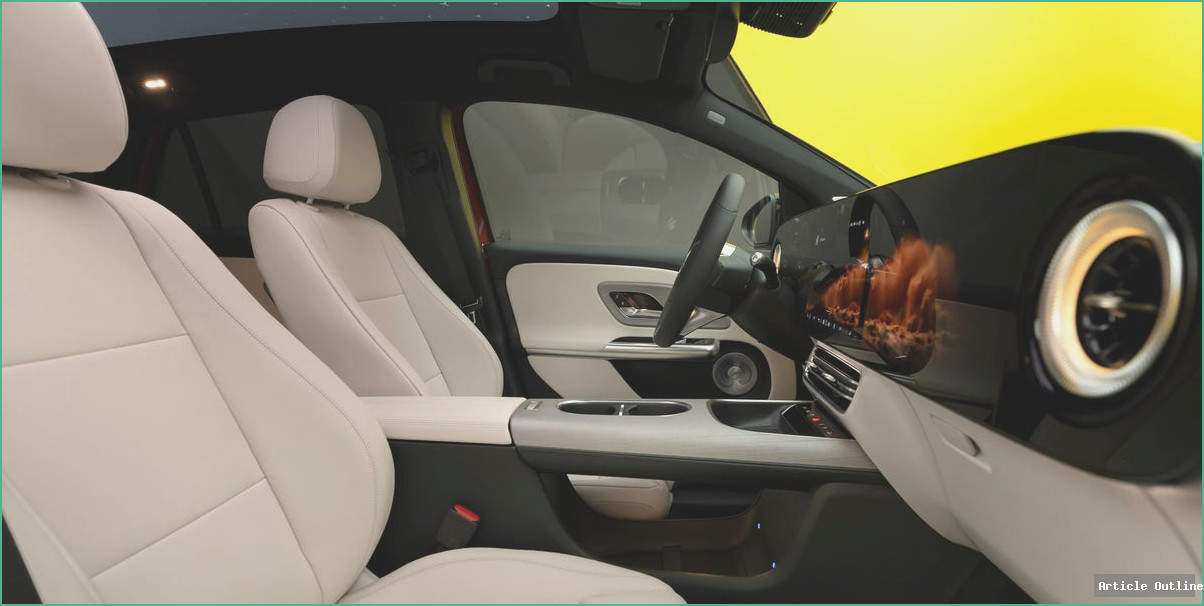
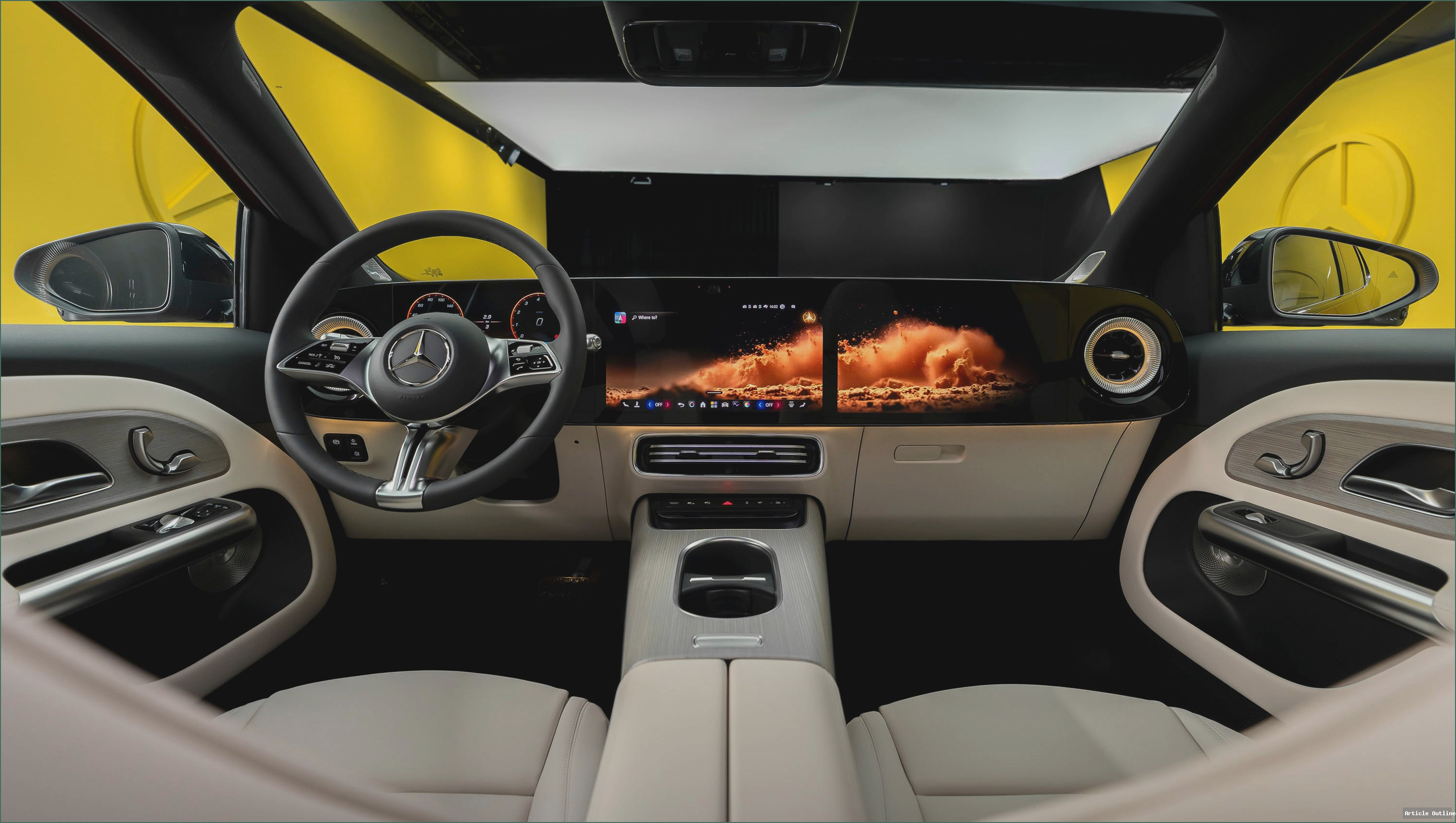
Yes, the photos are stunning: a sweeping digital display, a minimalist steering wheel, and clever storage abound. But step back and you’ll see something more significant—a luxury brand redefining what “entry-level” can mean, while quietly responding to industry shifts and customer demands.
Why This Matters
- Digital-first design isn’t just for flagship models anymore. The full-width digital display, once reserved for the S-Class and EQ models, now sets a new baseline for the entire lineup.
- Simplification over complexity: The move away from haptic overload (fewer touch-sensitive controls on the steering wheel) shows Mercedes has listened to driver frustrations and is prioritizing usability over flash.
- Storage and practicality are luxury now. Under-console storage and a decluttered dash prove that premium buyers want both style and substance.
What Most People Miss
- This interior isn’t just about aesthetics—it’s about digital ecosystem integration. Expect deep ties to Mercedes’ latest MBUX infotainment, voice controls, over-the-air updates, and AI-powered personalization, even if the photos only hint at it.
- Material quality matters more than ever at this price point. While not visible in every shot, Mercedes is under pressure from BMW’s iX1, Audi Q3, and Volvo XC40 Recharge—all of which have stepped up their luxury game in compact crossovers.
- The hybrid focus signals a bigger EV transition. This GLA isn’t just a facelift; it’s a bridge to a future where electrification is the default, not the option.
Key Takeaways
- Mercedes is democratizing advanced tech—features that were once reserved for six-figure cars are now standard or available in the GLA-Class.
- User experience is king. By toning down the haptics and focusing on intuitive controls, Mercedes is doubling down on what drivers actually use and love.
- The luxury compact market is now the innovation proving ground. Competition is fierce, and every brand is racing to deliver style, substance, and sustainability.
Pros & Cons: 2028 Mercedes-Benz GLA-Class Interior
- Pros:
- Cutting-edge, immersive digital display
- Improved ergonomics with simplified controls
- Thoughtful storage solutions
- Likely top-class infotainment and connectivity
- Cons:
- Potential learning curve for tech-averse drivers
- Material quality still to be proven against rivals
- Some may miss traditional, tactile controls
Industry Context & Comparison
- The compact luxury SUV segment is one of the fastest growing globally, with sales up over 15% in the past two years (Statista, 2023).
- Rivals like the BMW iX1 and Audi Q3 are pushing hard on digital tech and electrification, forcing Mercedes to continually up its game.
- This GLA interior shares DNA with the more expensive CLA and EQ models, making it one of the most advanced in its class.
Action Steps & Practical Implications
- If you’re shopping for a luxury compact SUV, don’t settle for yesterday’s tech or comfort. The new GLA sets a high bar—demand the same from the competition.
- For current Mercedes owners, this suggests even entry models will soon benefit from flagship-level features—watch for updates to other vehicles in the lineup.
- If you value simplicity and user-friendly design, this is a sign that luxury brands are finally listening.
“The 2028 GLA-Class is proof that digital luxury isn’t just for the few—it’s the new normal.”
The Bottom Line
The 2028 Mercedes-Benz GLA-Class interior isn’t just a pretty face—it’s a signal that the luxury compact crossover market is undergoing a digital revolution, with Mercedes at the forefront. If you want style, tech, and practicality, you’re looking at the new standard-bearer.