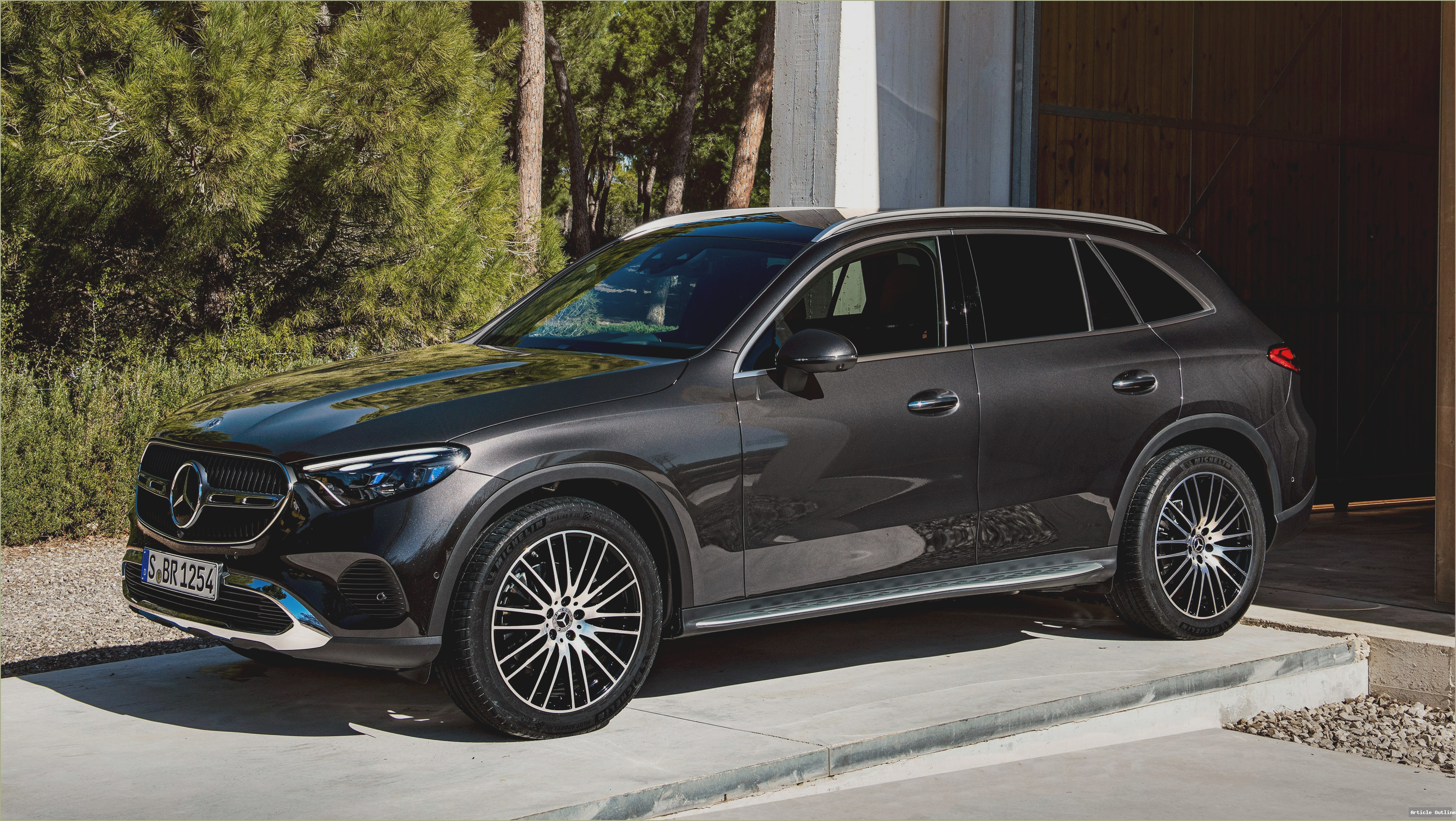
The news that Mercedes-Benz will delay U.S. production of its crucial GLC crossover until 2030 is more than a simple scheduling twist—it’s a move with wide-reaching implications for buyers, dealers, and the entire luxury SUV market.
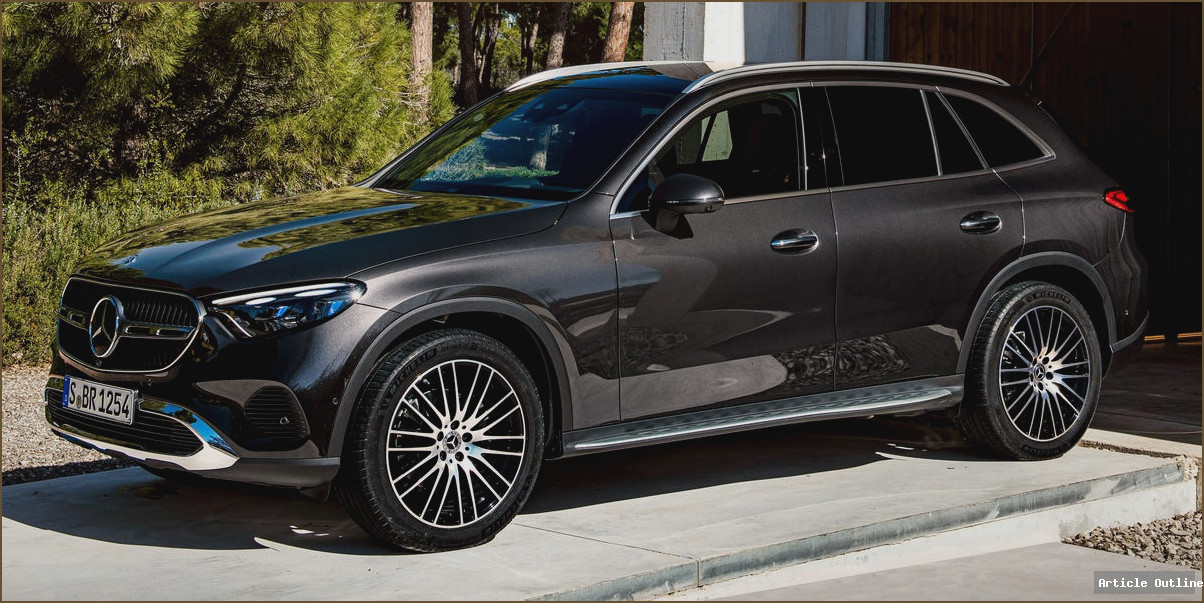
Let’s break down what this means, why it matters, and the hidden dynamics beneath the headlines.
Why This Matters
- The GLC is Mercedes’ bread-and-butter in the U.S.—it’s consistently among their best-sellers.
- Delaying local production keeps the model vulnerable to import tariffs, potentially driving up prices for American buyers.
- This move aligns with a broader trend: automakers are rethinking their manufacturing strategies in a world of fluctuating tariffs, evolving consumer tastes, and electrification pressures.
What Most People Miss
- Mercedes isn’t just procrastinating: they’re timing U.S. production with the next-generation GLC, likely to maximize investment and avoid costly retooling mid-cycle.
- The Alabama plant is already busy with GLS, GLE, and their electric siblings—there’s only so much bandwidth, and Mercedes wants to get this right.
- Current U.S. tariff rates (around 2.5% for cars, 25% for trucks) may seem small, but for a high-volume model like the GLC, they add up—especially if trade tensions flare up again.
- There’s political intrigue here: reports suggest the U.S. could lower tariffs to entice other automakers to build new factories. The chess game between automakers and policymakers is far from over.
Key Takeaways
- GLC buyers may face higher prices or limited supply until 2030 if tariffs rise or supply chains get pinched.
- Dealers may struggle to keep inventories healthy, especially if demand outpaces imports.
- This delay telegraphs a cautious approach from Mercedes: they’re prioritizing long-term efficiency over short-term flexibility.
- It also signals confidence: Mercedes doesn’t fear losing ground to rivals like BMW or Audi, both of whom already have robust U.S. manufacturing footprints.
Industry Context & Comparisons
- BMW produces its X-series SUVs in South Carolina—shielding them from most tariffs and supply chain headaches.
- Mercedes has invested over $4 billion in its Alabama plant, but this delay means the return on that investment will take longer for the GLC line.
- If tariffs were to rise (as they did during the U.S.-China trade war), Mercedes could be forced to absorb costs or pass them to consumers—a lose-lose proposition.
Timeline Snapshot
- 2023: Current-generation GLC refreshed.
- Original plan: U.S. production to start in Alabama in late 2027.
- New plan: U.S. production postponed to 2030, aligning with the next-gen GLC launch.
Pros & Cons Analysis
- Pros: Mercedes avoids mid-cycle retooling costs, aligns with next-gen tech, and can observe tariff trends before committing.
- Cons: Ongoing tariff exposure, risk of losing market share if rivals capitalize on local production, potential price hikes for U.S. buyers.
“Investing in the plant for about half a life cycle and then having to retool for the next-generation GLC doesn’t make a lot of sense financially.” – Sam Fiorani, AutoForecast
The Bottom Line
Mercedes is playing the long game. By delaying U.S. GLC production, they’re betting on a stable market, manageable tariffs, and a seamless next-gen launch. For buyers and dealers, the next few years may bring price volatility and supply uncertainty—but also the promise of a more advanced, locally-built GLC at the end of the tunnel.