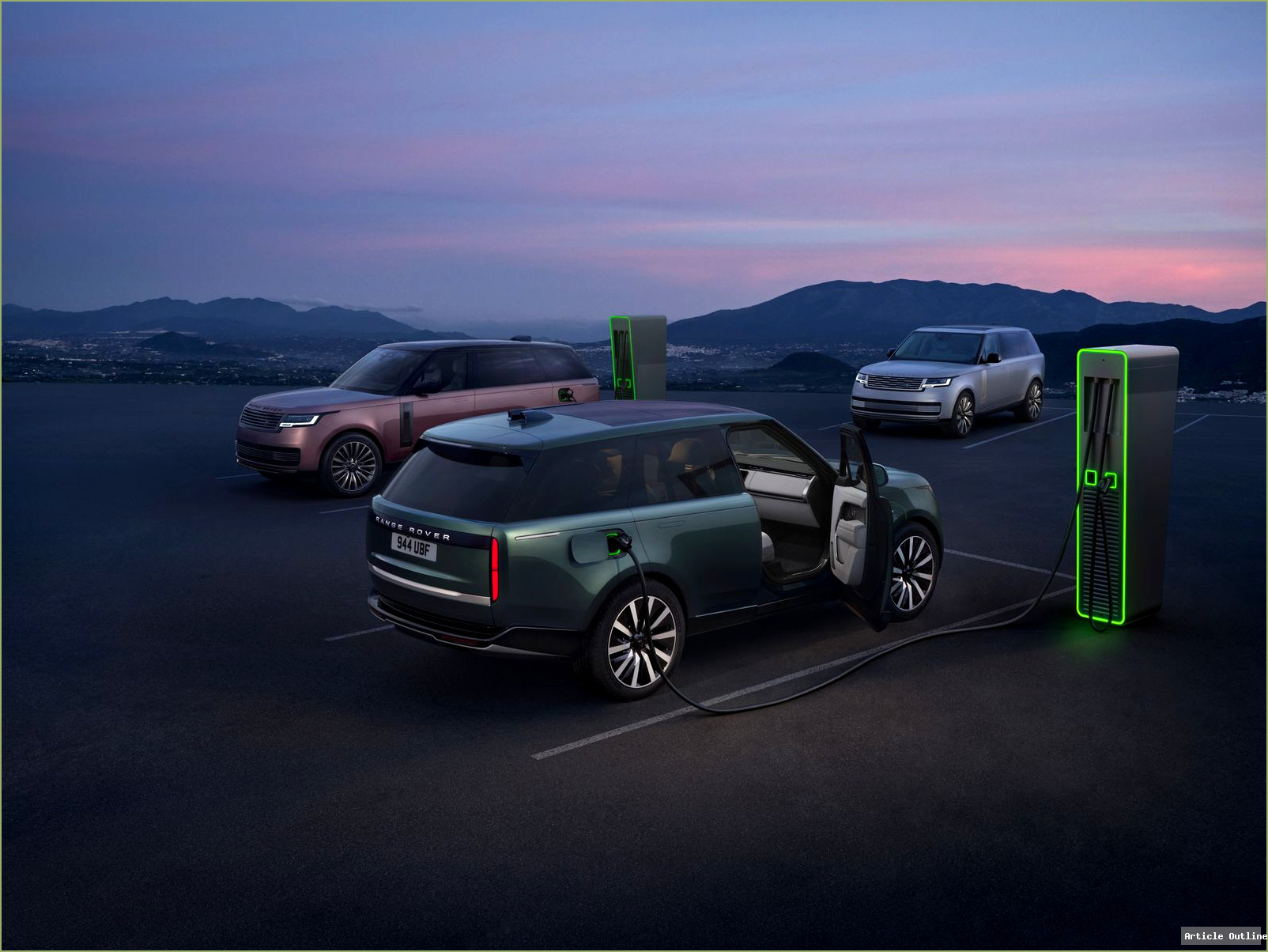
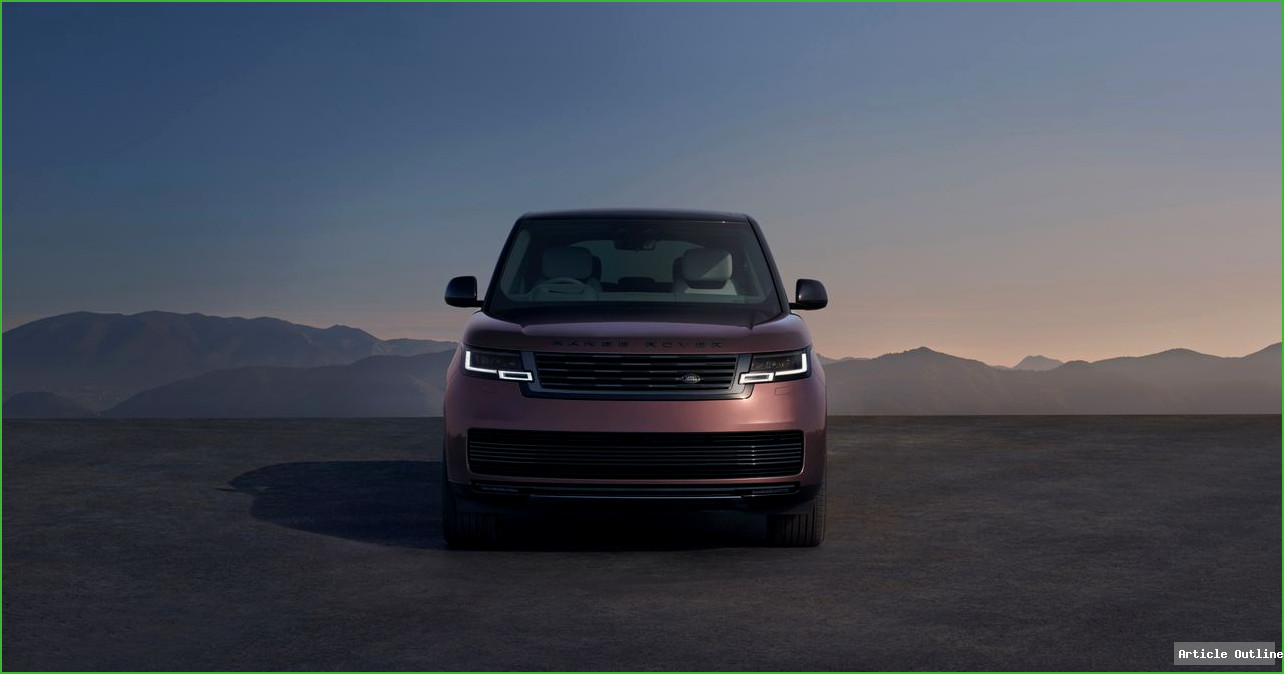
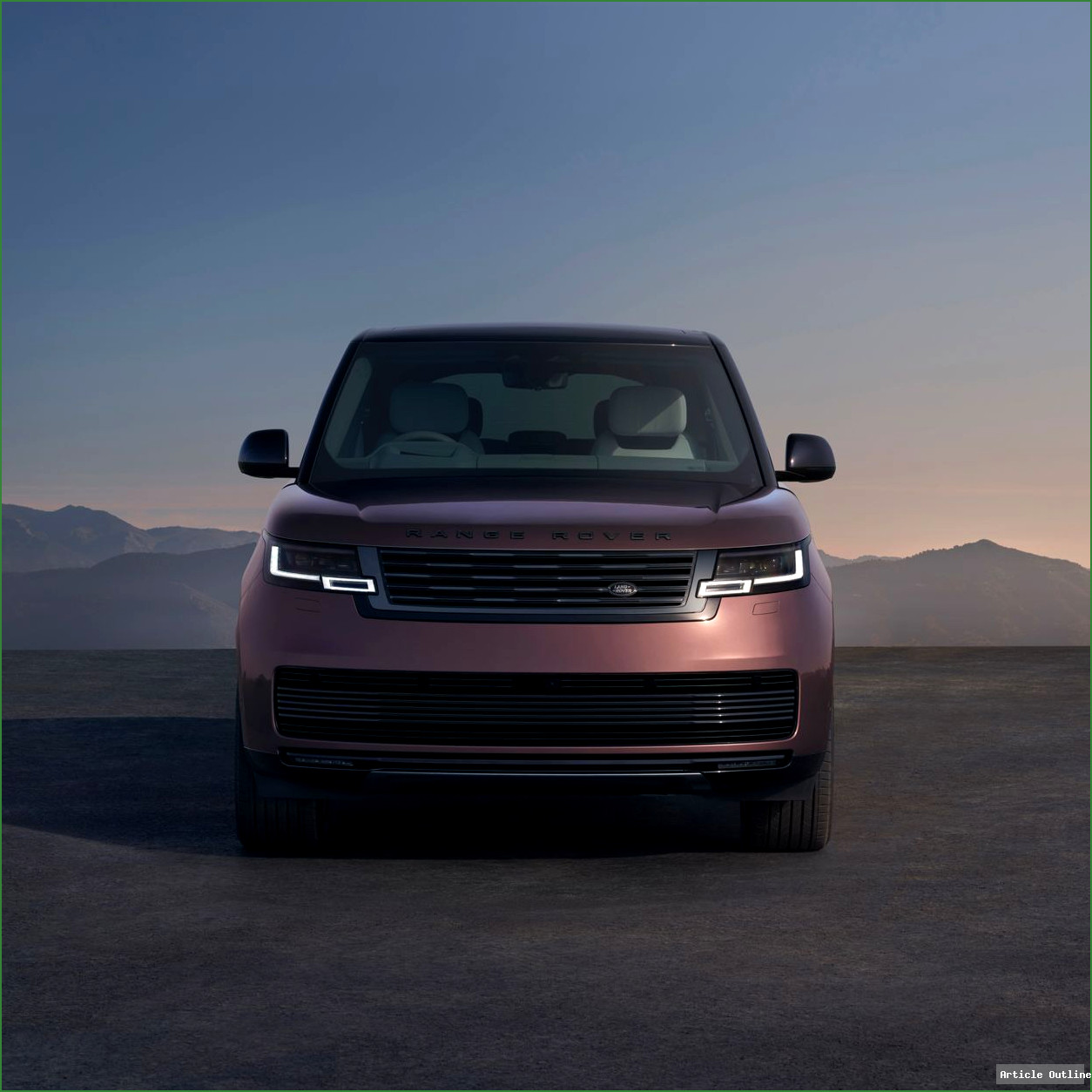
The wait is over: the Range Rover Electric has finally rolled out, after years of anticipation and delays. But is it just another luxury EV, or does it signal a seismic shift for the high-end auto market?
Let’s cut through the hype and see why this launch is more pivotal—and more complicated—than most realize.
Why This Matters
- JLR’s Range Rover Electric is the first full EV for one of the world’s most iconic luxury off-road brands.
- It enters a market where most luxury EVs have underperformed, especially with ultra-wealthy buyers.
- The model’s pricing, tech, and approach could set the tone for the next generation of luxury vehicles.
Luxury automakers are in a tough spot: demand for high-end EVs hasn’t matched expectations, with the likes of Porsche, Audi, and Mercedes struggling to move their flagship electric SUVs. The Range Rover Electric isn’t just another EV—it’s a bet on whether the ‘brand first, electric second’ strategy can finally crack the code.
What Most People Miss
- Patents Power: Over 300 patents filed—more than any previous JLR vehicle—signal a quiet revolution in EV off-road tech.
- Extreme Testing: The car’s batteries have been put through hell—38 laps around the world in simulation, plus real-life extremes from –40°C to +90°C.
- Off-Road Prowess: Single-pedal driving up 45-degree climbs and wading through 900mm of water isn’t just marketing fluff. It’s a direct answer to critics who say EVs can’t handle real adventure.
- Tech Choices: While rivals move back to tactile buttons, Range Rover doubles down on big touchscreens—controversial, and a gamble on what buyers want.
Key Takeaways
- Performance: Dual 260-kW motors, 542 hp, 850 Nm torque, 0–60 mph in 4.3 seconds. Impressive for a big, heavy SUV.
- Range & Charging: 118.5 kWh battery, 372 miles WLTP, 333 miles real-world estimate, and 137 miles of charge in just 10 minutes with 800V tech.
- Price Tag: UK models start at £154,070 (~$208k), with SV Black LWB exceeding $304k, but US buyers get an SE model at $138k.
- Warranty: 8-year/100,000-mile, reflecting JLR’s confidence in its rigorous testing regime.
- Market Context: Hits as rival Mercedes EQG stumbles, and as the luxury EV segment works to recover from early missteps.
Industry Context & Comparisons
- Against Mercedes G-Wagen EV: The G-Wagen’s electric version has faced sluggish sales, with some criticizing range anxiety and a lack of emotional spark. Range Rover hopes to sidestep this with its reputation for real-world adventure and a tech suite built for more than just city streets.
- Luxury EV Trends: After a peak in EV hype, luxury automakers are now approaching electrification with caution. The focus is shifting back to what made these brands special in the first place—capability, comfort, and cachet.
- New Platform: The Range Rover Electric is just the start—the upcoming Range Rover GT will ride on the same EMA architecture, hinting at an electrified future for the entire lineup.
Pros & Cons
- Pros:
- Groundbreaking off-road EV capability
- Ultra-fast charging
- Brand prestige and luxury build
- Extensive testing and patent-driven innovation
- Cons:
- Eye-watering price for flagship models
- Touchscreen-heavy controls may alienate traditionalists
- Unproven luxury EV market demand
Action Steps & Practical Implications
- Luxury EV buyers: Watch how this model performs—its success or failure will shape the segment.
- Automakers: Take note of JLR’s patent-driven innovation and rigorous testing as a new gold standard.
- Dealers and investors: The US pricing strategy may be a blueprint for breaking through in a tough market.
The Bottom Line
The Range Rover Electric isn’t just another EV—it’s a high-stakes experiment to see if legendary luxury and innovation can finally make the electric SUV irresistible. If it succeeds, expect a wave of copycats. If not, it may be back to the drawing board for luxury electrification.