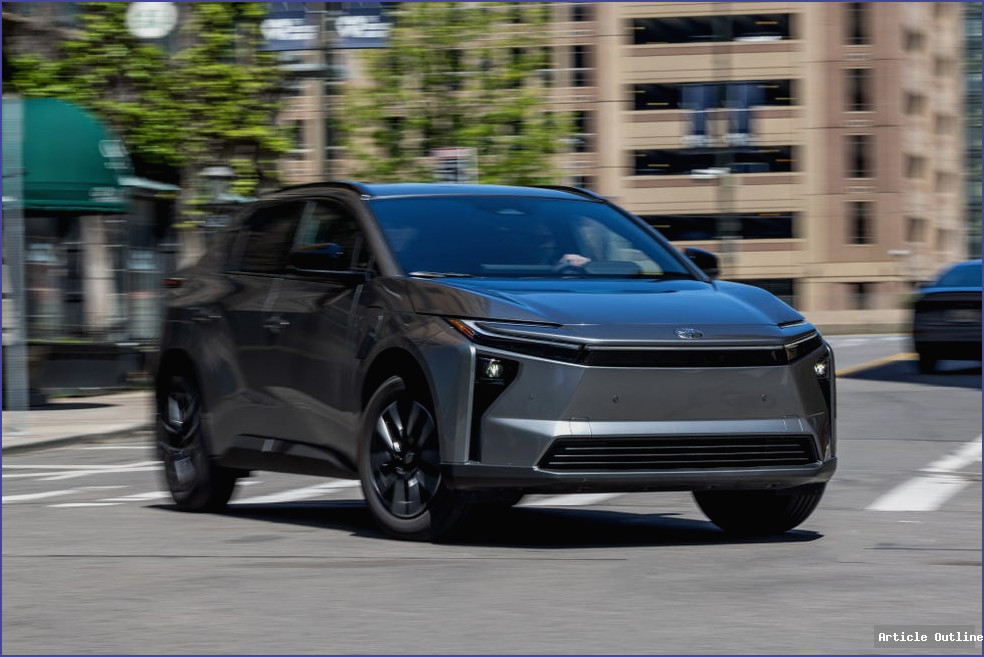
When it comes to electric SUVs, two names dominate the affordable end of the spectrum: the Tesla Model Y and the Toyota bZ. Both have recently been refreshed for 2026, each claiming its own corner of the EV market. But which one really deserves your driveway—and more importantly, why?
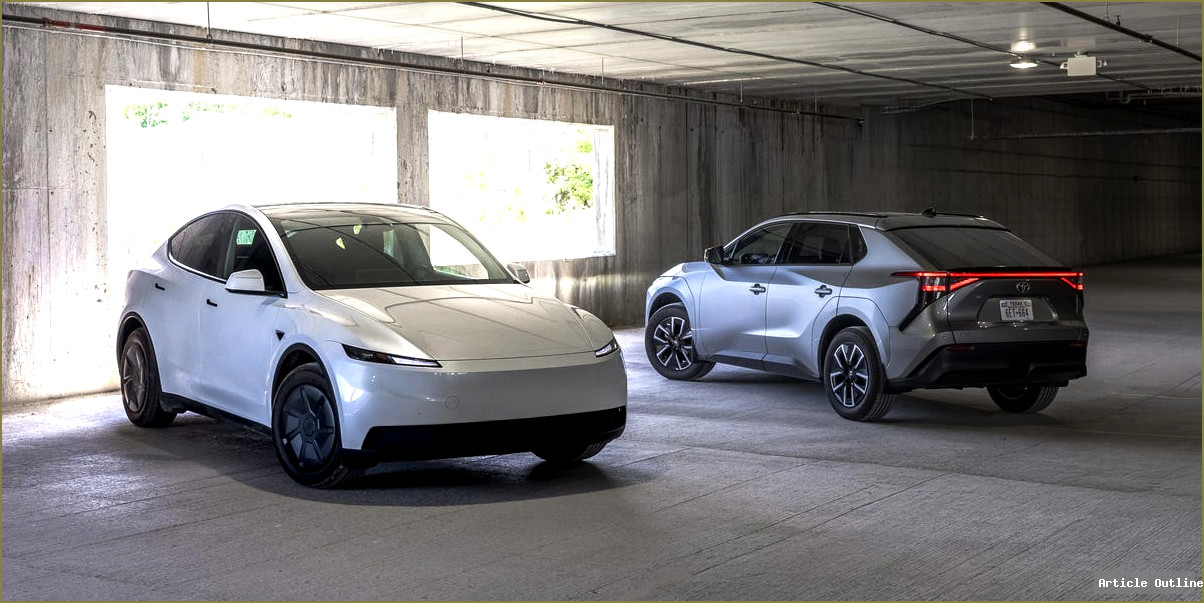
Let’s dig under the skin and see what matters most—not just on the spec sheet, but in the realities of daily driving, ownership, and the shifting EV landscape.

Why This Matters
- Mainstream EV Ownership: With both vehicles priced under $45,000, they represent the new normal for electric family transport. Their battle signals how EVs are moving from early adopters to the masses.
- Industry Crossroads: Tesla continues to play the disruptor, while Toyota, a hybrid pioneer, is finally taking EVs seriously. Their clash is a preview of the next decade in automotive evolution.
- Charging Network Wars: With Toyota’s adoption of the NACS charge port, even legacy automakers are bowing to Tesla’s Supercharger dominance—an industry-shifting move.
What Most People Miss
- Toyota’s Silent Climb: The updated bZ is outselling every non-Tesla EV in America—proof that affordability, not flash, wins over the average buyer.
- Tesla’s UX Edge: Many obsess over horsepower, but Tesla’s intuitive, smartphone-like interface and FSD (Supervised) autonomy are its real secret weapons, making the Model Y feel more like the future, even at entry-level trim.
- Value vs. Experience: The Toyota bZ is praised for price and practicality, but rarely for driving excitement or tech innovation. It’s the sensible shoes of EVs—reliable, but not thrilling.
- Range Isn’t Everything: While both claim over 300 miles on a full charge, real-world highway range is closer to 250-260 miles, and charging speed (Toyota’s 35 mins vs. Tesla’s 44 mins from 10-90%) is just as crucial for road-trippers.
Key Takeaways
- Tesla Model Y: Superior performance (0–60 mph in 5.9s), industry-best user interface, and the leading semi-autonomous driving system, but loses points for a noisy ride and minimalist interior that may feel cheap to some.
- Toyota bZ: Wins on affordability and comfort, plus offers universally loved features like Apple CarPlay and physical knobs (remember those?), but lacks excitement and suffers from an awkward driving position and incessant safety beeps.
- Ownership Experience: Tesla’s over-the-air updates, robust app ecosystem, and plug-and-play Supercharger access remain unmatched. Toyota’s bZ, however, offers a more traditional car ownership vibe for folks wary of tech overload.
Specs Snapshot: Quick Stats
- 2026 Tesla Model Y RWD: 300 hp, 321 EPA miles, $41,630 base, 5.9s 0–60 mph, 44 min DC fast-charge (10–90%)
- 2026 Toyota bZ XLE Plus FWD: 221 hp, 314 EPA miles, $39,495 base, 6.2s 0–60 mph, 35 min DC fast-charge (10–90%)
Pros and Cons Analysis
- Tesla Model Y
- + Best-in-class tech and autonomy
- + Stronger acceleration and driving dynamics
- – No phone mirroring, minimal physical controls
- – Choppy ride, especially on rough roads
- Toyota bZ
- + Lowest price for a mainstream EV SUV
- + Traditional features (physical knobs, CarPlay/Android Auto)
- – Dull driving experience, persistent safety beeps
- – Less range, slower, and less engaging to drive
Expert Commentary
“The Model Y is the iPhone of EVs: it may not excite with its looks, but the ecosystem and user experience are lightyears ahead. The Toyota bZ? It’s the Toyota Camry of electric crossovers—a safe bet for those who want an electric car, but not an electric revolution.”
The Bottom Line
For first-time EV buyers who want the familiar comfort of a Toyota, the bZ is a smart, wallet-friendly move that finally brings Toyota up to speed with the pack. But if you crave tech-forward design, industry-best charging, and a driving experience that truly feels next-gen, the Model Y remains the gold standard—even with its quirks.
In the end, the choice is less about specs and more about what kind of future you want to drive into—one foot in the past, or both hands on the wheel of tomorrow.