The 2026 Toyota bZ isn’t just a routine update—it’s a pivotal moment in Toyota’s electric vehicle journey. With a fresh name, a re-engineered platform, and significant improvements in range, charging speeds, and acceleration, this compact SUV is finally stepping up to the challenges posed by rivals like the Hyundai Ioniq 5, Volkswagen ID.4, and even sibling Subaru Solterra.
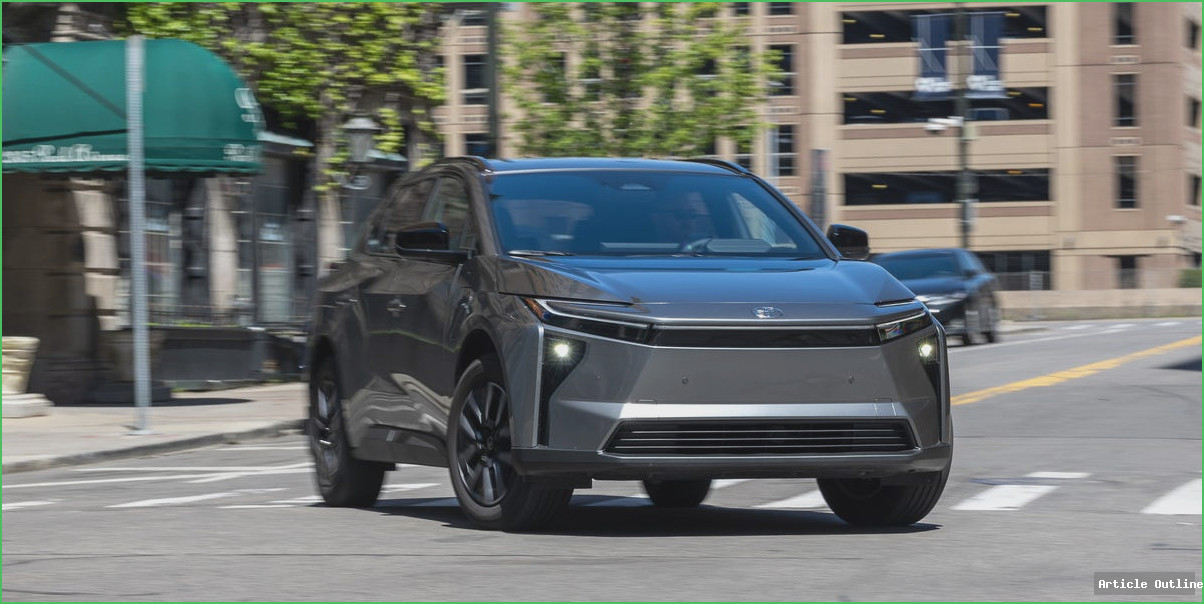
But is that enough to make the bZ a class leader, or is Toyota still playing catch-up in the EV race? Let’s break down what really matters in this update—and where Toyota still needs to go further.

Why This Matters
- Toyota’s global reputation is built on reliability, efficiency, and value—but its slow EV rollout has been a glaring weakness. The 2026 bZ directly addresses the shortcomings of the bZ4X, which was often criticized for lackluster range, subpar charging, and uninspired performance.
- The introduction of Tesla’s NACS charging port is a strategic play. It gives Toyota buyers access to the vast Tesla Supercharger network, instantly making the bZ more practical for road trips and daily use in North America.
- With a starting price under $37,000, the bZ is positioned as an accessible, value-driven EV—a crucial step as mainstream buyers enter the electric market.
What Most People Miss
- The name change isn’t just cosmetic. By dropping the ‘4X’ and simplifying to ‘bZ,’ Toyota signals a shift away from confusing global EV names. This is about brand clarity for U.S. consumers—critical as more models join the lineup.
- Toyota’s real-world range improvements are substantial. The previous bZ4X dual-motor managed only 160 miles on a 75-mph highway test. The new XLE Plus, with a bigger battery, hit 250 miles in the same test—outperforming many rivals, not just on paper but in practice.
- The AWD model’s 0-60 mph leap (from 6.3s to 4.3s, when compared to its Subaru twin) demonstrates Toyota’s newfound willingness to offer performance, not just efficiency.
- Interior ergonomics are still a mixed bag. While the cabin is more open and the tech improved, the driving position remains awkward for many, with the steering wheel sometimes blocking the digital cluster.
Key Takeaways
- Range now competitive: 314 miles EPA-estimated (FWD XLE Plus), 250 miles real-world highway.
- Strong value: Base XLE starts under $37,000, test model at $40,778.
- Charging upgrade: 11 kW onboard, 150 kW DC fast charging, and NACS port for Tesla Supercharger access.
- Performance leap: Dual-motor AWD version with 338 hp, 0-60 mph in 4.3 seconds (mechanically identical Solterra).
- Interior much improved, but still not best-in-class for comfort or design.
2026 Toyota bZ vs. the Competition
- Hyundai Ioniq 5: More stylish, faster charging (up to 350 kW), similar range, pricier at higher trims.
- Volkswagen ID.4: Comparable range and price, but less engaging performance.
- Subaru Solterra: Shares platform and tech, but Subaru offers more off-road flavor.
Pros and Cons Analysis
- Pros:
- Substantial range and power upgrades
- Access to Tesla Superchargers
- Improved ride and handling
- More practical interior layout
- Value-oriented pricing
- Cons:
- Bland exterior/interior styling
- Still lags behind top EVs for driving excitement
- Awkward seating and gauge layout
- DC fast charging capped at 150 kW (while some rivals offer 250 kW+)
Timeline: Toyota’s EV Progress
- 2022: bZ4X launches with underwhelming specs and tepid reviews.
- 2023: Toyota announces NACS adoption for future EVs.
- 2026: bZ launches with major upgrades—range, charging, performance, and nameplate simplification.
The Bottom Line
Toyota’s 2026 bZ is a big leap forward—but not a revolution. The improvements make it a legitimate competitor in the crucial compact EV SUV space, especially for buyers focused on value, reliability, and everyday usability. But for those seeking cutting-edge tech or a pulse-quickening drive, Hyundai, Tesla, or Ford still offer more excitement. Ultimately, the bZ is the Toyota EV that mainstream buyers have been waiting for—even if it’s not yet the benchmark for the segment.