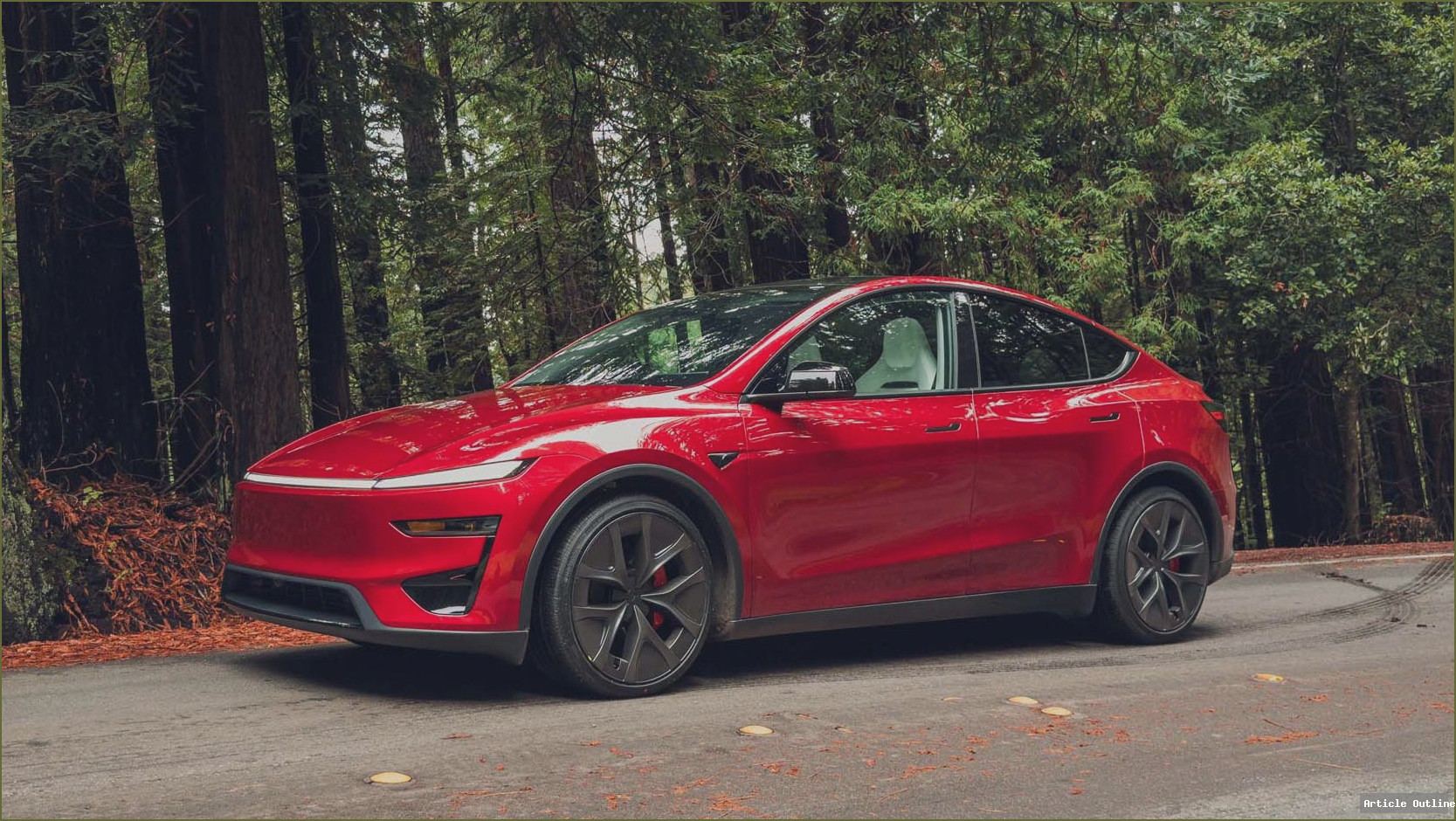
The U.S. electric vehicle (EV) market in 2026 is a rollercoaster—some automakers are charging ahead, others are spinning their wheels, and a few seem to be running out of juice entirely. The list of the ten bestselling EVs of 2026 reveals more than just who’s winning the sales race; it’s a mirror reflecting the growing pains, unexpected winners, and the evolving priorities of American drivers.
Why This Matters
- Shift in consumer confidence: With sales dropping for many legacy names, it’s clear that Americans are still on the fence about EVs. The drop isn’t just about the cars—it’s about the infrastructure, charging anxiety, and economic uncertainty.
- Emergence of new leaders: While Tesla remains king of the hill, Toyota’s bZ line is surging, and Rivian’s commercial van is pulling off a surprise comeback. The sands are shifting.
- Product strategy over hype: Vehicles with a clear value proposition (affordability, range, or unique utility) are outperforming those riding on hype alone.
Key Takeaways from the 2026 Sales Rankings
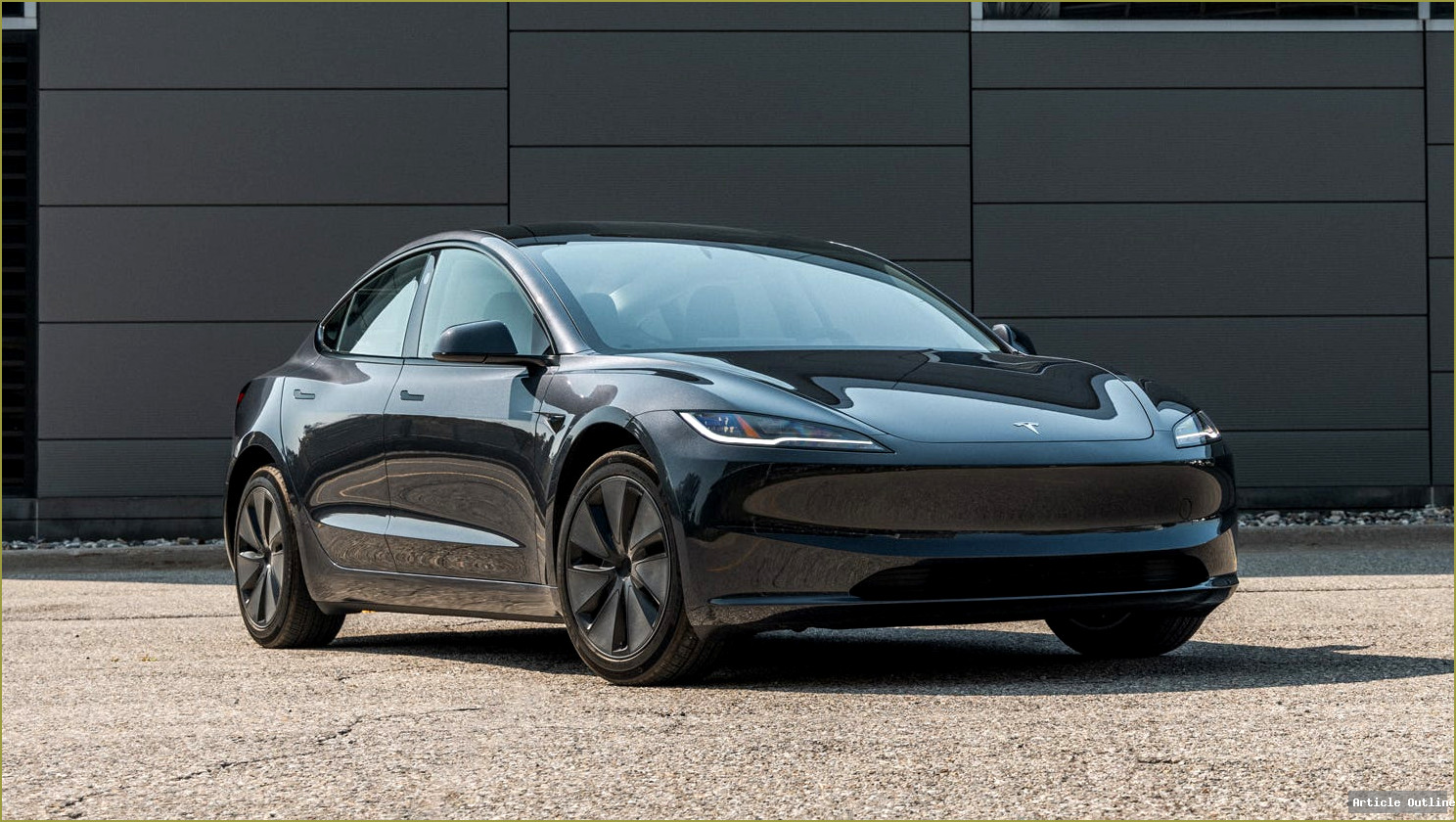
- Tesla’s dominance is dented, but not defeated: The Model Y still leads, but even industry juggernauts aren’t immune to shifting consumer moods, with Model 3 and Y both posting year-over-year declines.
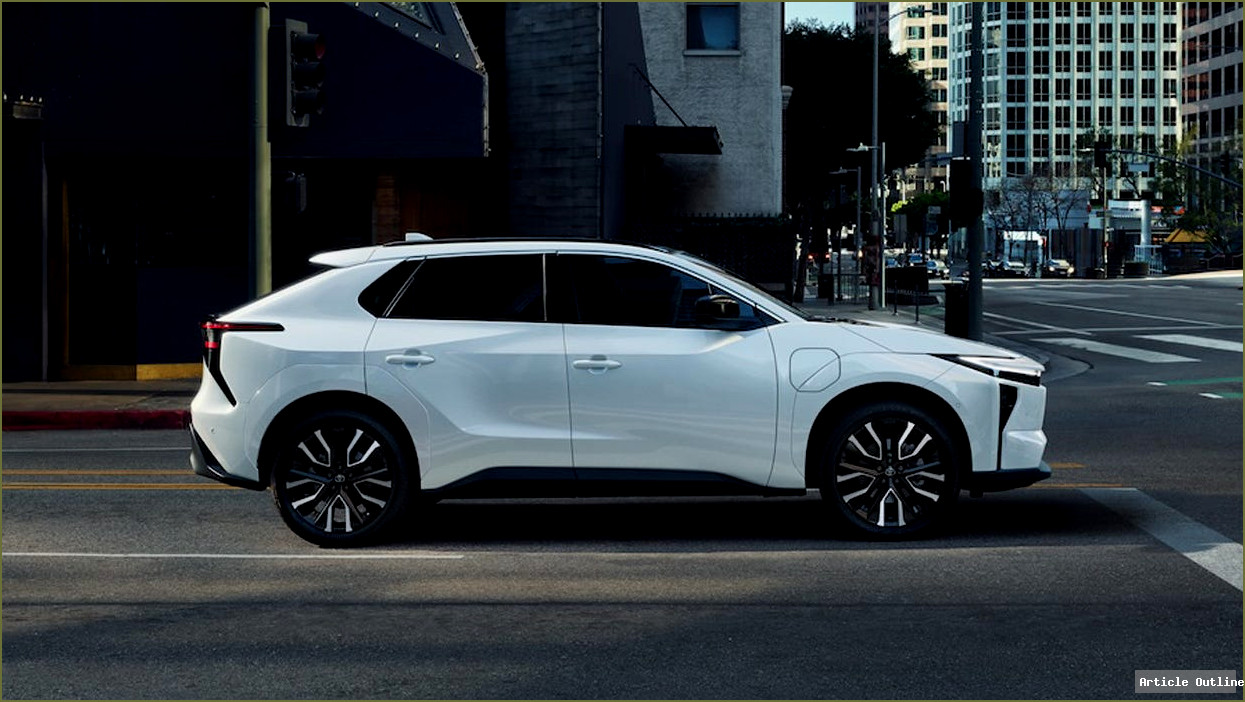
- Toyota’s bZ is the breakout star: Sales are up 145% in Q3, making it the only major EV to post triple-digit growth. This marks a dramatic change for Toyota, long a hybrid-first company.
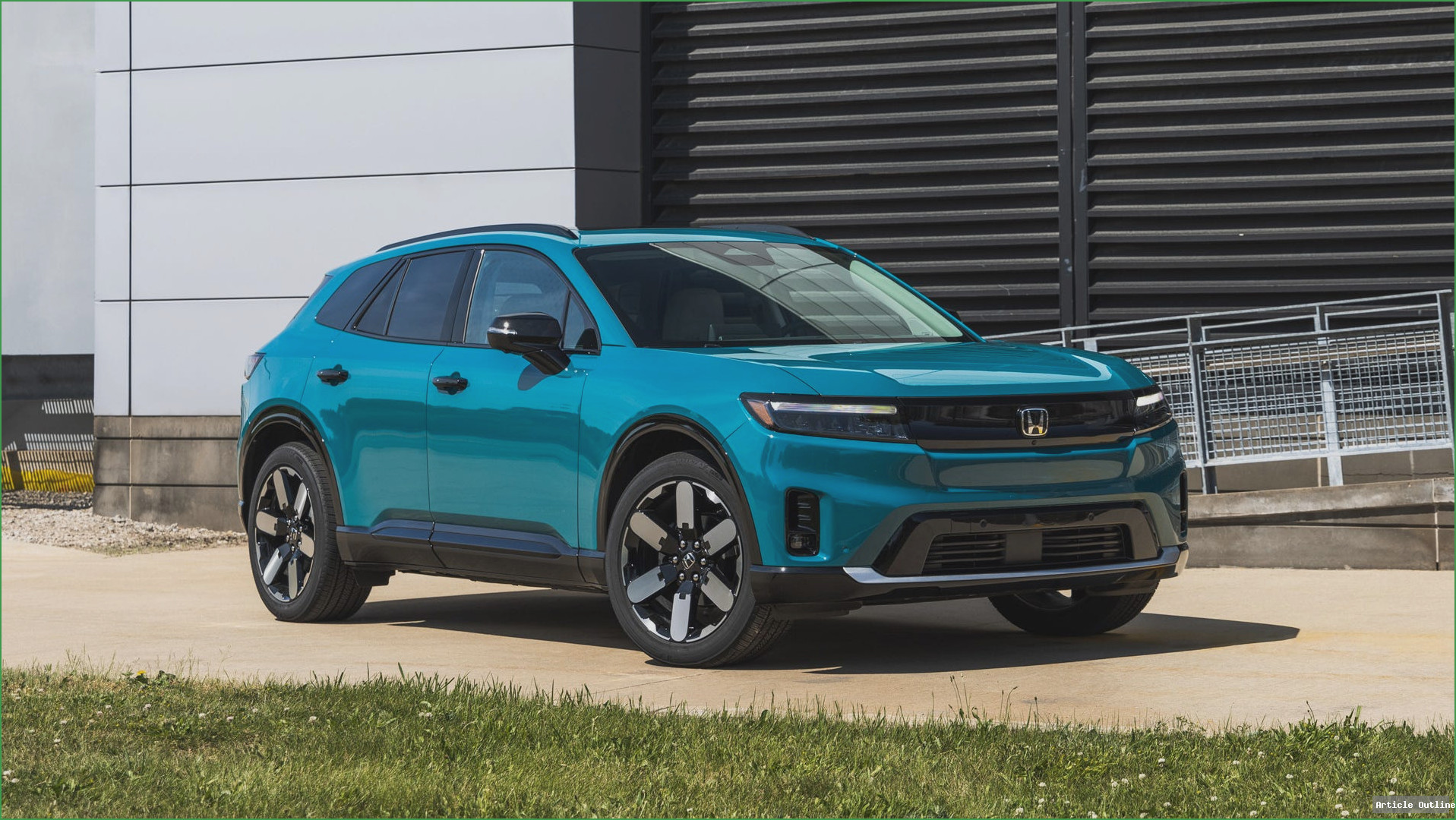
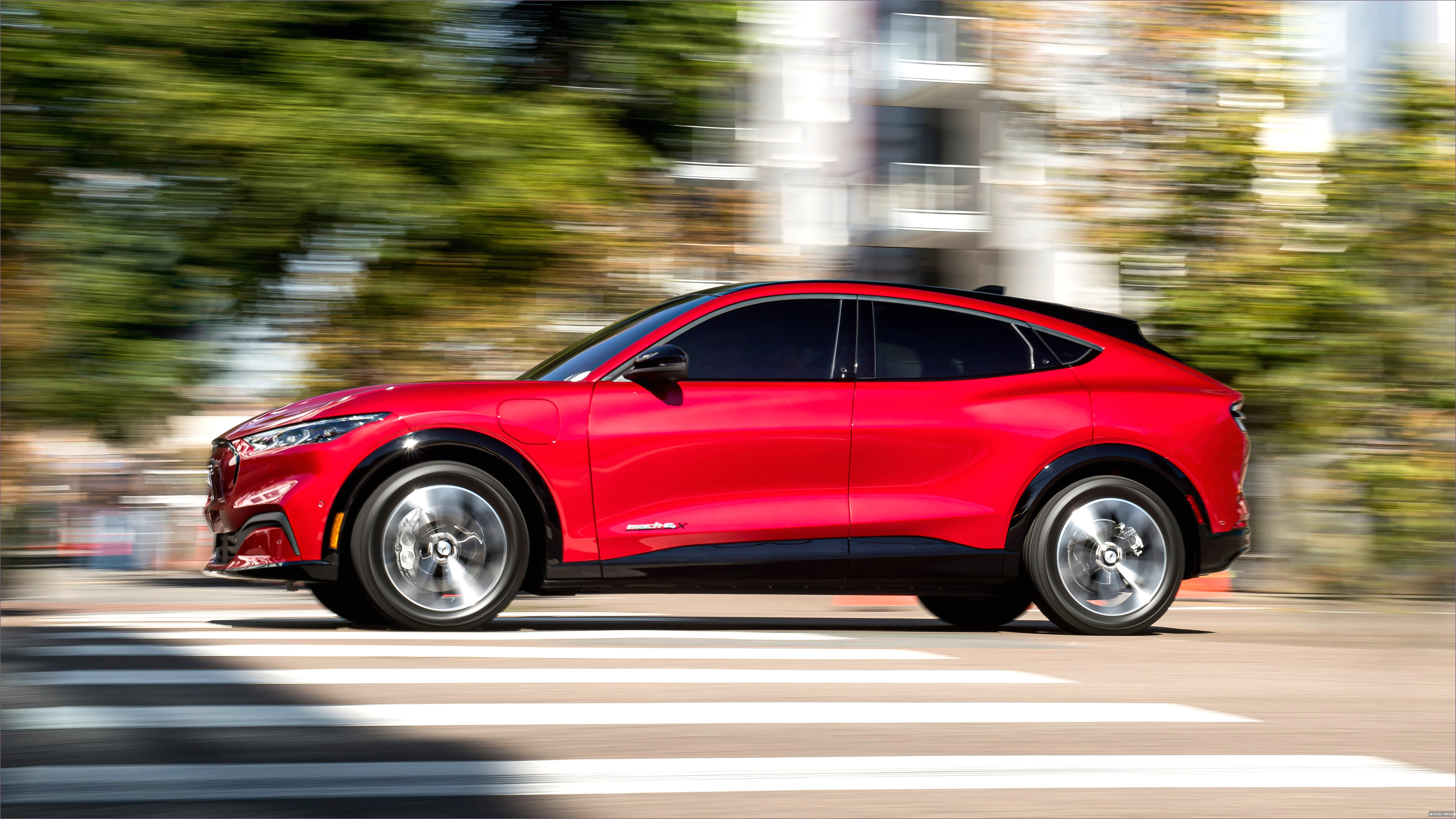
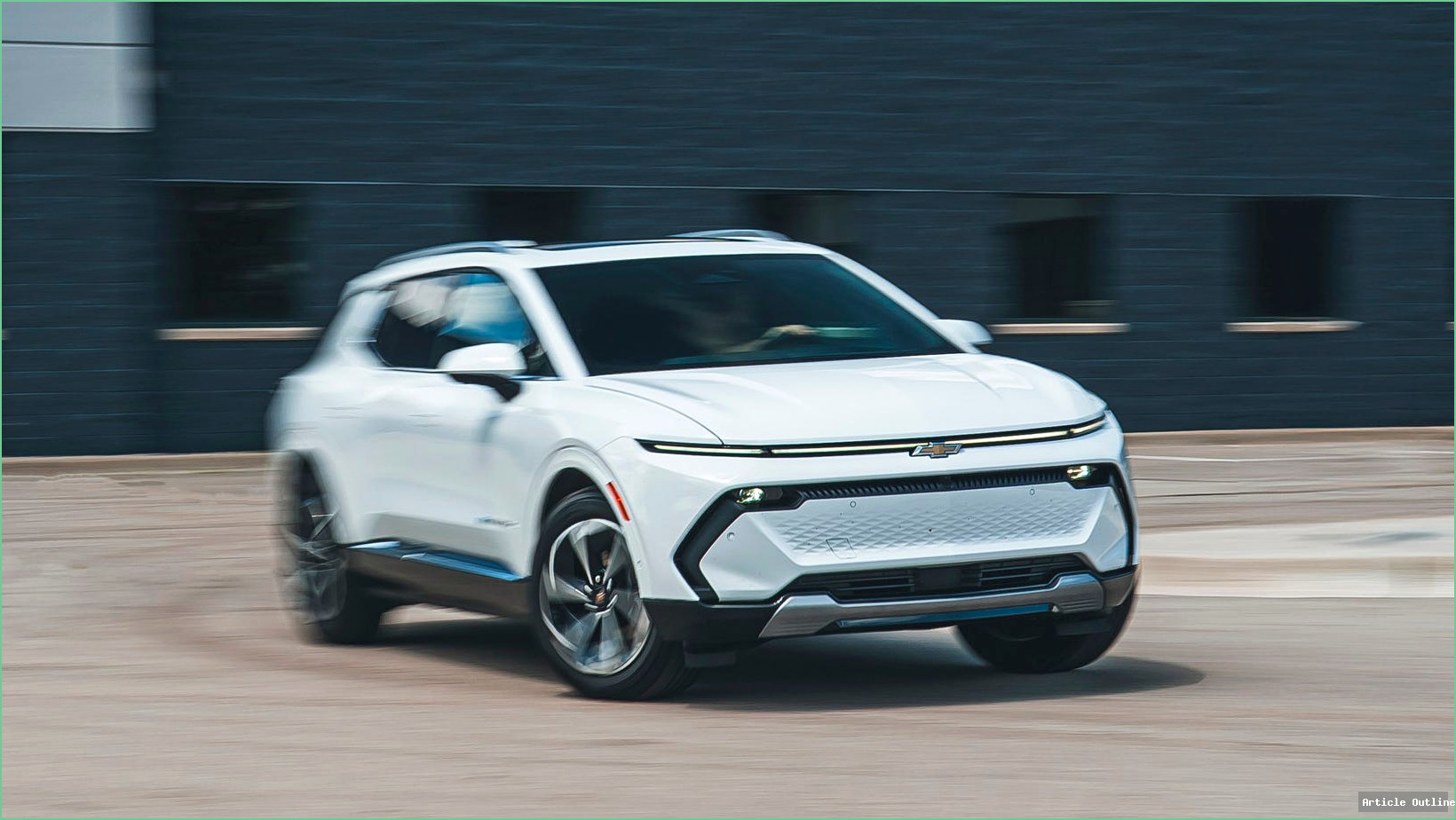
- Legacy brands are struggling to keep up: Ford’s Mustang Mach-E and Chevy’s Equinox EV have seen sales plummet by 72% and 92% respectively in Q3. Honda is even discontinuing the Prologue after 2026.
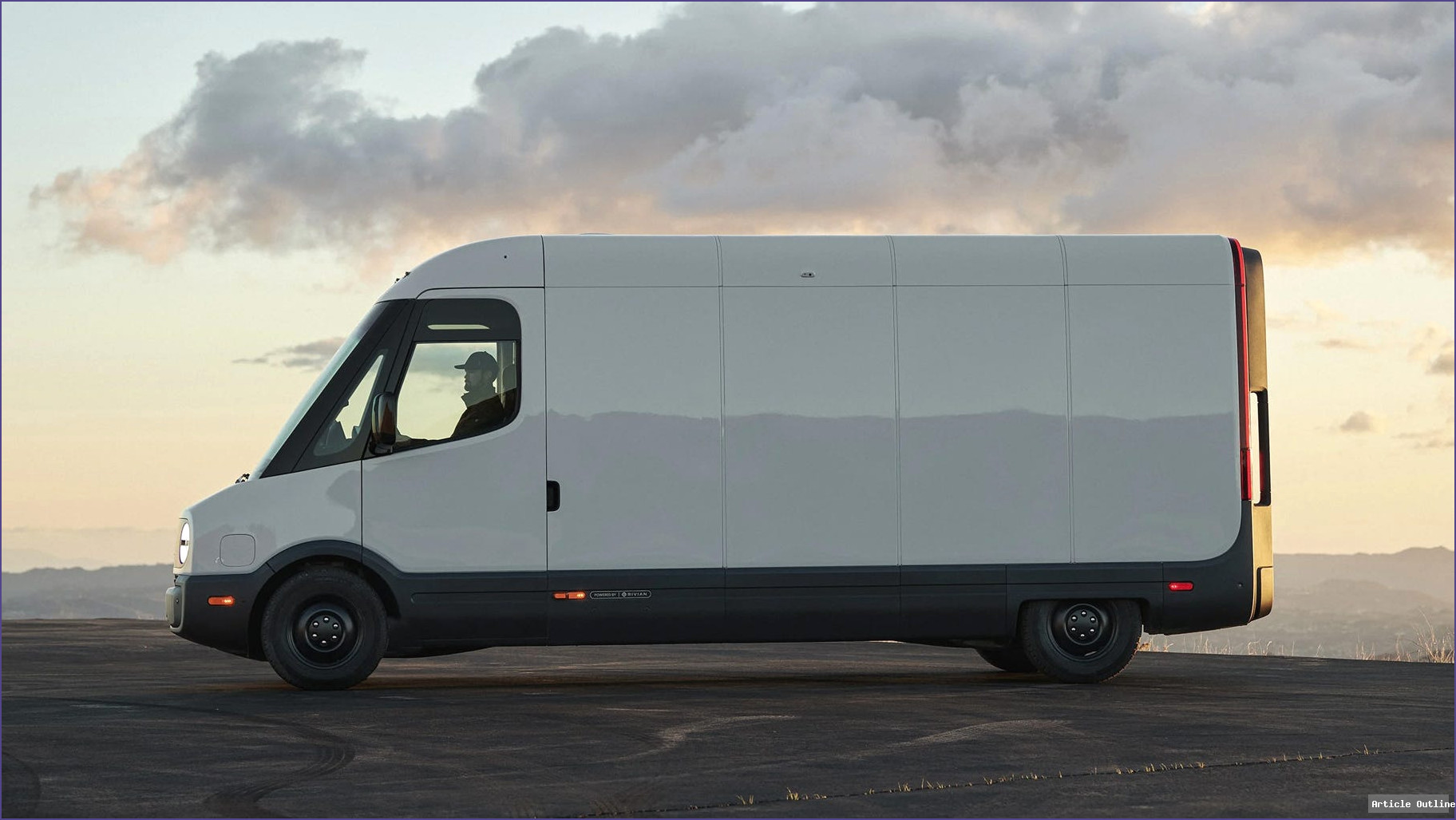
- Commercial EVs matter: Rivian’s electric delivery van is quietly outpacing legacy competitors from Ford, Mercedes-Benz, and Ram, proving that the commercial market is a battleground worth watching.
What Most People Miss
- Commercial EVs as early adopters: While the headlines focus on sedans and crossovers, commercial vans like Rivian’s are actually gaining traction faster in their segment. Why? Businesses can plan around charging, and operational savings add up quickly.
- The Toyota effect: Toyota’s bZ surge isn’t just about one vehicle—it signals that mainstream buyers, who trust Toyota’s reliability, are finally getting curious about EVs. This could be the tipping point for mass adoption.
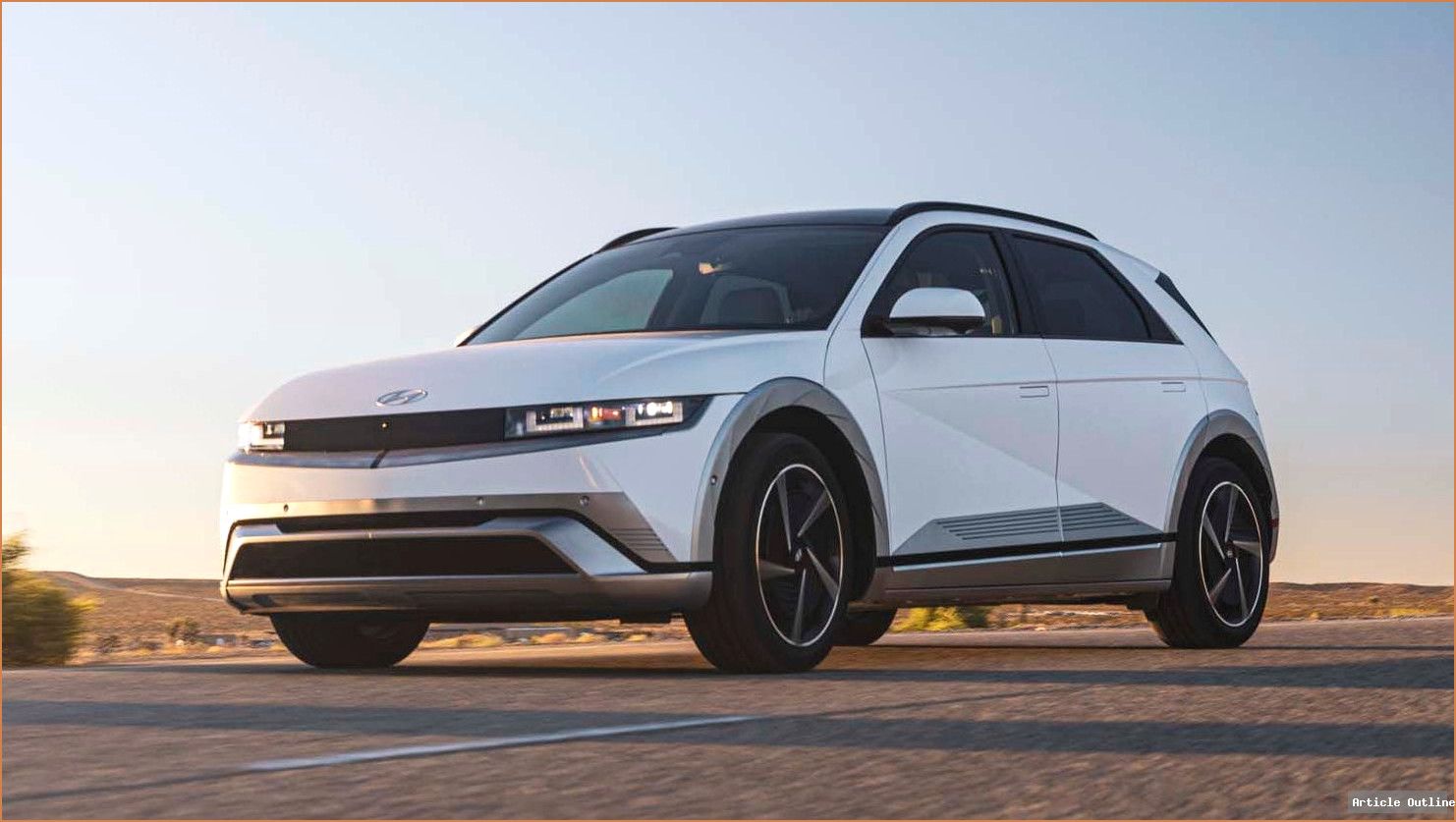
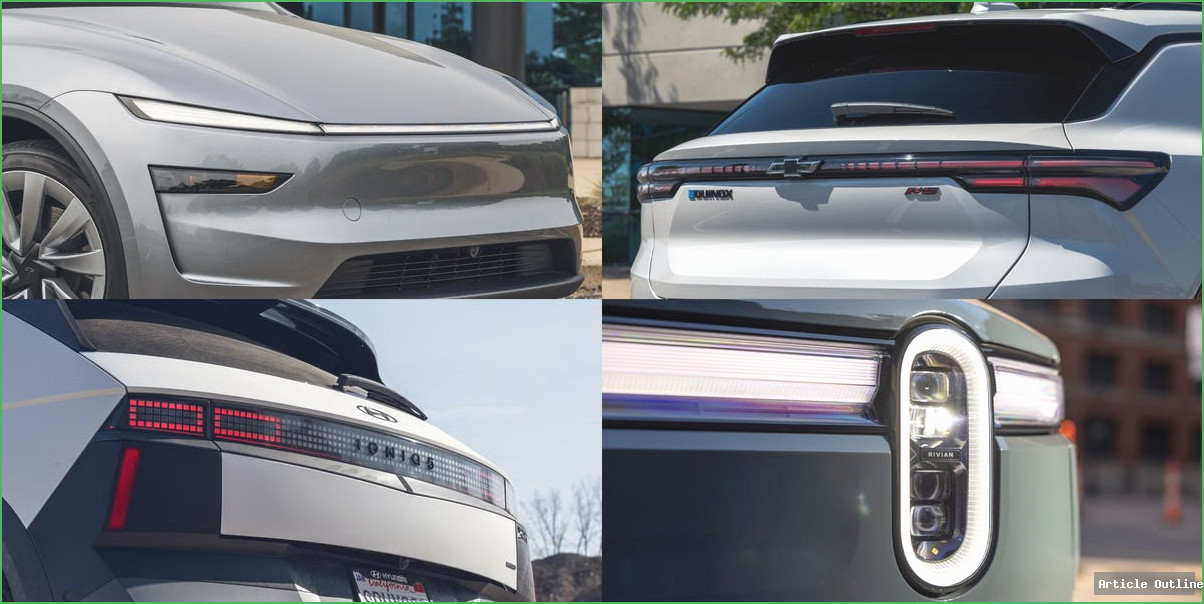
- Model churn is real: Automakers are learning that just slapping a battery in a popular nameplate doesn’t guarantee success. The market is rewarding thoughtful engineering (Hyundai Ioniq 5), practical range, and price—not just a familiar badge.
- Infrastructure and incentives are lagging: Many would-be EV buyers are stalling out due to spotty charging networks and confusion over tax credits.
2026 EV Sales: At a Glance
- Tesla Model Y – Still #1, but with a 14% Q3 drop
- Tesla Model 3 – Down 25% in Q3 and 31% YTD
- Hyundai Ioniq 5 – Bestselling non-Tesla, but sales down 53% in Q3
- Toyota bZ – Up 145% in Q3, the year’s breakout performer
- Chevy Equinox EV – Plummeted 92% in Q3, now at risk
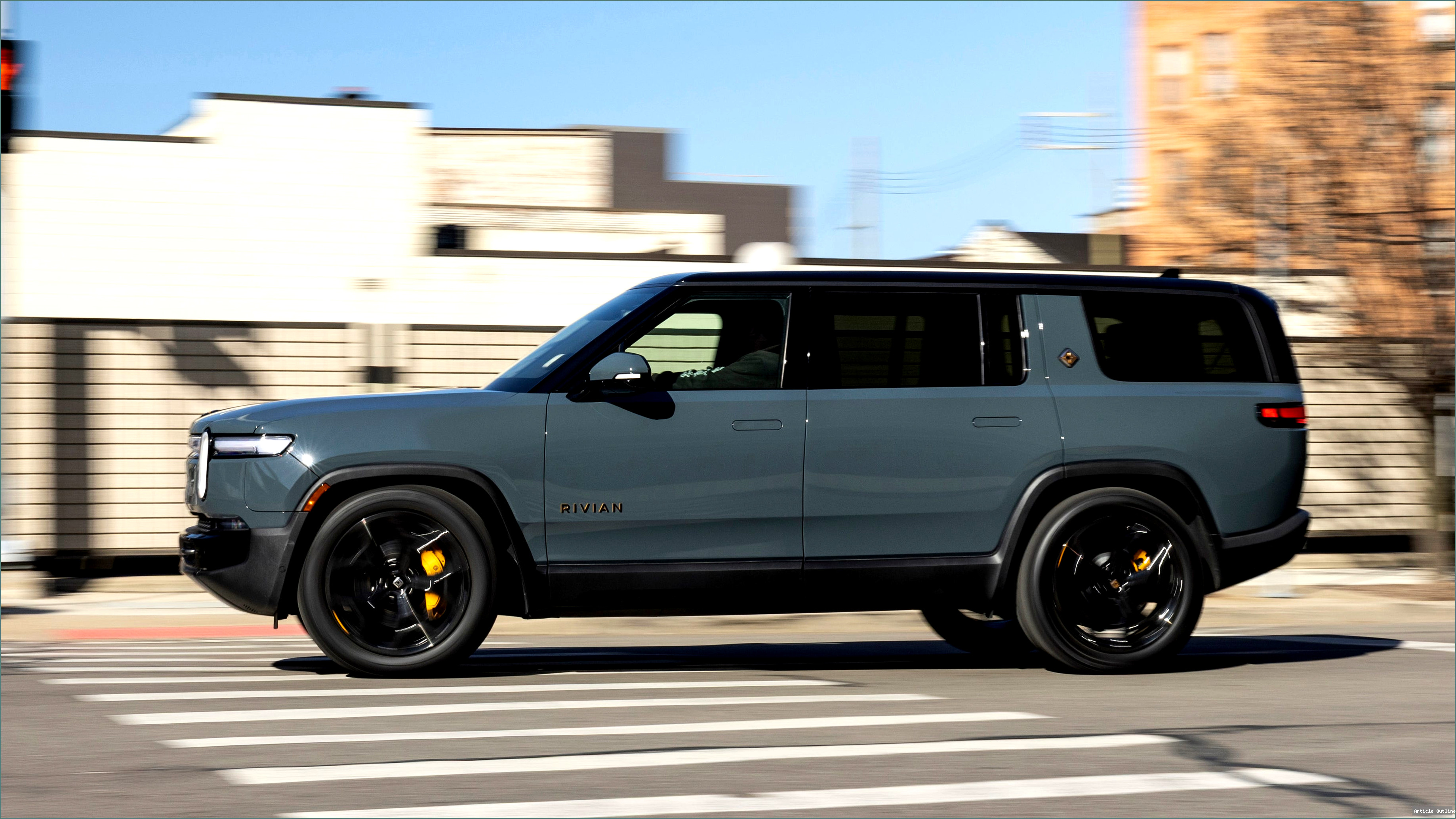
- Rivian R1S – Down 32% in Q3, but still ahead of its pickup sibling
- Ford Mustang Mach-E – Down 72% in Q3
- Rivian EDV (Electric Delivery Van) – Up 221% in Q3, dominates commercial segment
- Honda Prologue – Being discontinued; sales down 76% in Q3
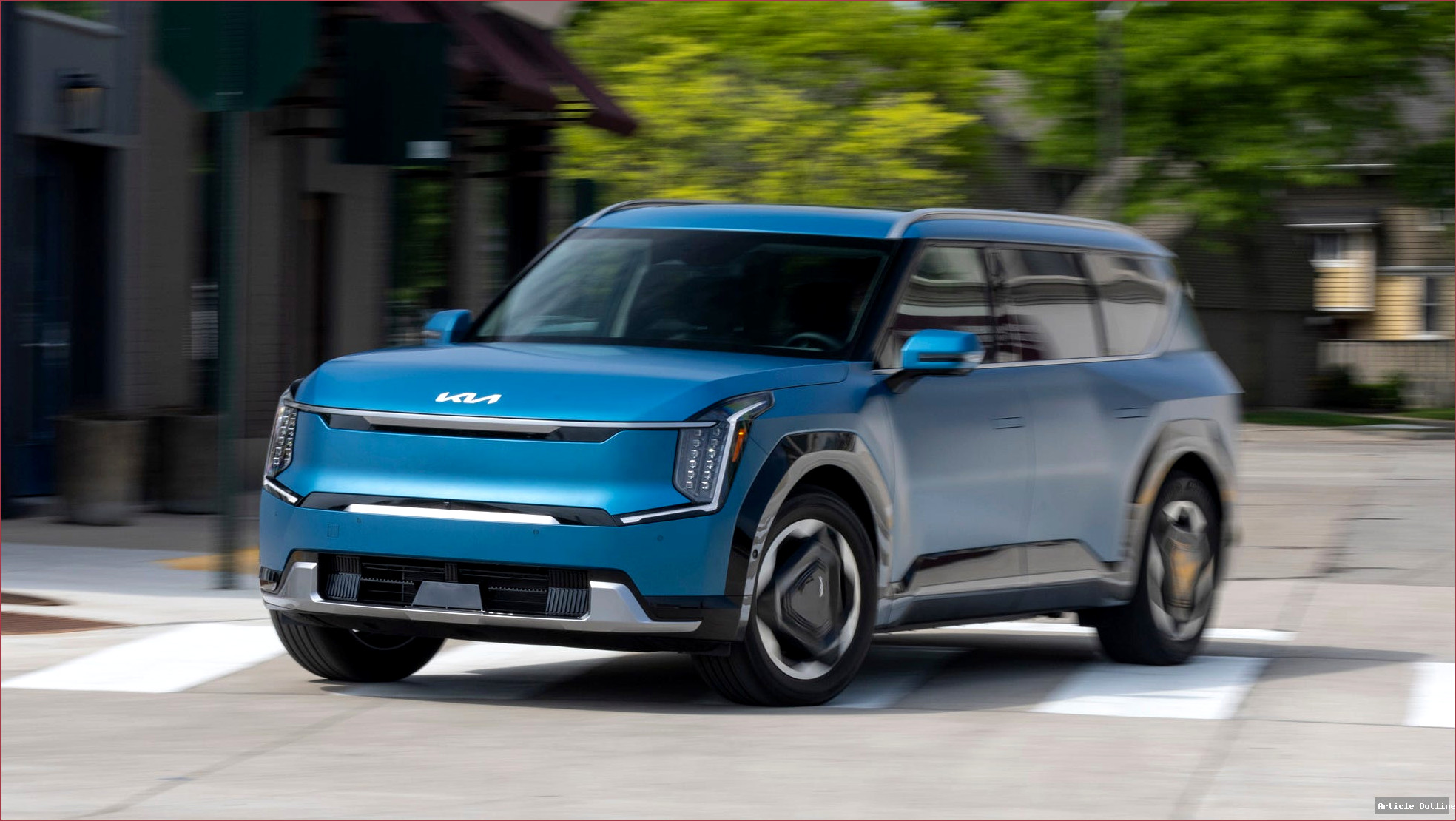
- Kia EV9 – Hanging on at #10, with flat sales year-over-year
Pros and Cons: What’s Fueling the Winners and Losers?
- Pros:
- Value pricing (Toyota bZ, Hyundai Ioniq 5)
- Solid range and utility (Tesla Y, Rivian R1S, EDV)
- Brand reliability (Toyota, Hyundai)
- Cons:
- High prices and wavering incentives
- Charging infrastructure gaps
- Confusing model churn and discontinuations (Honda Prologue, Chevy Equinox EV)
The Bottom Line
2026 is a turning point for America’s EV market. The top ten list is less about who’s winning today and more about who’s listening to what real buyers want. Brands that understand affordability, reliability, and practical charging solutions are poised to lead the next phase—while those stuck in the old playbook are falling by the wayside. The real race? It’s not just for sales—it’s for the hearts and minds of the next generation of drivers.
Sources:
- Source
- Kia EV9 Details
- Honda Prologue Details
- Rivian EDV Details
- Mustang Mach-E Details
- Chevy Equinox EV Details
- Toyota bZ Details
- Hyundai Ioniq 5 Details
- Tesla Model 3 Details
- Tesla Model Y Details