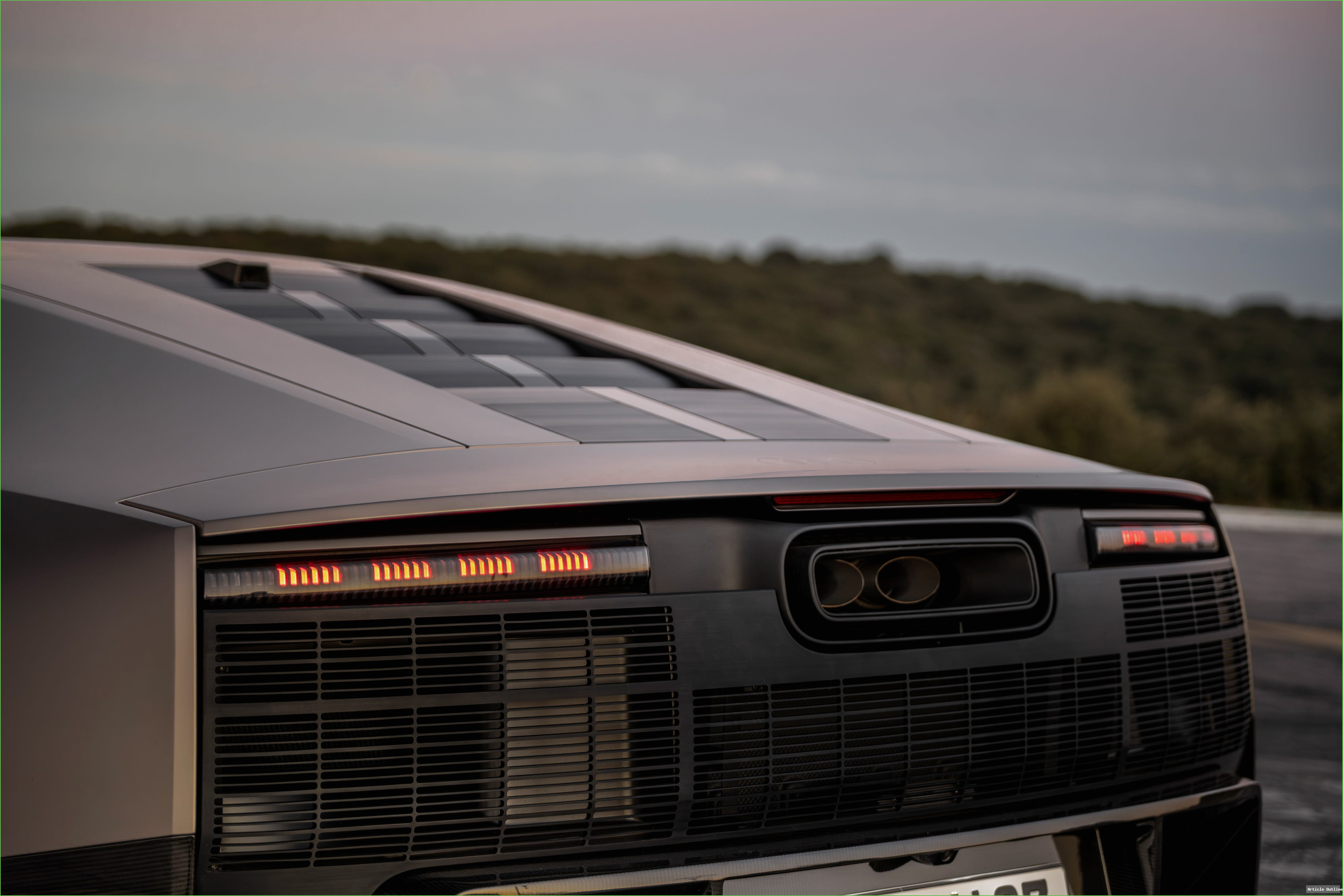
The 2028 Audi Nuvolari isn’t just another high-horsepower supercar—it’s a bold statement about the future of automotive engineering, style, and hybrid technology. Audi’s latest creation blends jaw-dropping design with next-level performance, but beneath the surface, it signals a seismic shift in how automakers are thinking about electrification, materials, and the very definition of a hypercar.
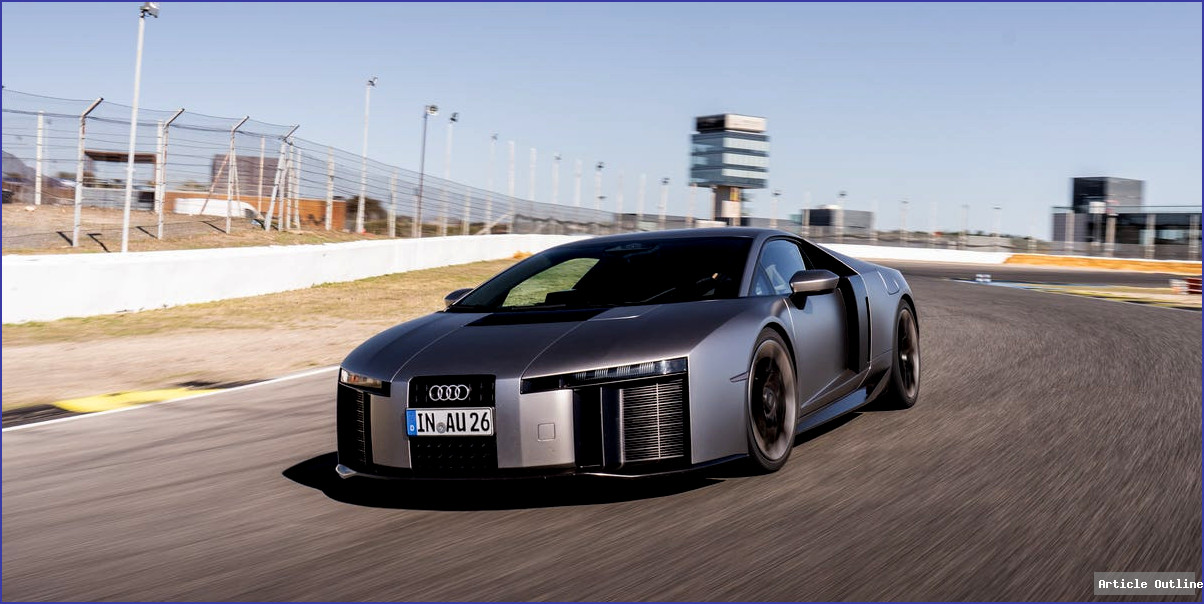
Let’s dig into what makes the Nuvolari so significant—and why enthusiasts, industry insiders, and even skeptics should pay attention.
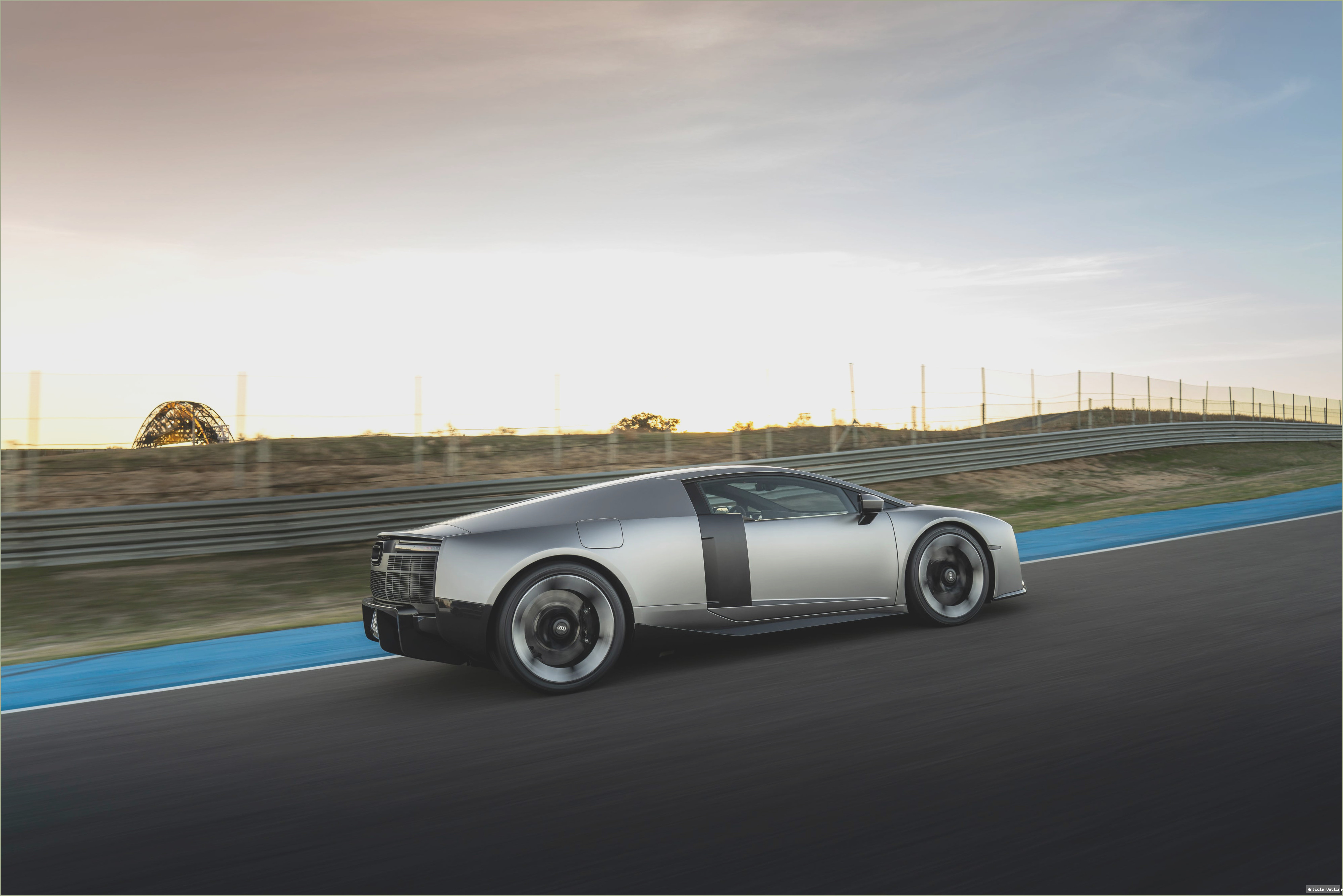
Why This Matters
- Hybridization isn’t just for fuel economy anymore: The Nuvolari’s powertrain—a twin-turbo 4.0-liter V8 paired with multiple electric motors—delivers a mind-bending 987 horsepower. This is electrification for the sake of supercar performance, not just green credentials.
- Materials science on display: With carbon-fiber-reinforced plastic body panels, Audi is pushing the boundaries of lightweight construction. This isn’t just about speed; it’s about efficiency, agility, and safety for the next generation of performance cars.
- Tech trickles down: Expect features like advanced torque vectoring and Brembo’s CCM-R Plus carbon-ceramic brakes to eventually influence more accessible models. Today’s hypercar is tomorrow’s sports sedan benchmark.
What Most People Miss
- The Nuvolari’s hybrid system is about control, not just raw power. Two electric motors drive the front axle, allowing for precise torque vectoring—a game changer for handling, especially at the limits.
- Audi’s heritage at play: The Nuvolari name pays homage to Tazio Nuvolari, a legendary pre-war Grand Prix driver. This model subtly connects cutting-edge tech with Audi’s racing roots—a clever move to win over purists.
- 10,000 rpm from a V8? In 2028? Most automakers are downsizing or going fully electric, but Audi’s high-revving V8—complemented by e-power—proves there’s still room for combustion excitement in a hybrid future.
Key Takeaways
- Performance meets sustainability: The Nuvolari could outgun many rivals (think Ferrari SF90 Stradale, McLaren Artura) while still leveraging hybrid efficiency and instant torque.
- A showcase of next-generation tech: Expect the Nuvolari to serve as a rolling testbed for Audi’s future mainstream models, from all-wheel torque vectoring to advanced composite construction and braking tech.
- Design as a differentiator: The exterior isn’t just sharp; it’s functional, with aggressive aerodynamics and lightweight engineering baked into every curve.
Timeline: The Evolution of Hybrid Hypercars
- 2013: McLaren P1, Porsche 918, and LaFerrari debut with hybrid drivetrains—heralding the new age of performance hybrids.
- 2020s: Ferrari SF90, McLaren Artura, and Lamborghini Revuelto push the envelope further.
- 2028: Audi Nuvolari enters the fray with a unique blend of old-school V8 thrills and bleeding-edge hybrid integration.
Pros and Cons: How the Nuvolari Stacks Up
- Pros:
- Insane power and instant torque
- Advanced materials for reduced weight
- Cutting-edge braking and handling tech
- Heritage design cues
- Cons:
- Potentially astronomical price
- Complexity of hybrid systems may raise long-term maintenance questions
- Purists may lament the shift away from pure ICE
The Bottom Line
The 2028 Audi Nuvolari isn’t just a car—it’s a vision statement. It proves that the automotive future can be fast, electrified, and still emotionally riveting. Audi is betting big that enthusiasts want the best of both worlds: the visceral thrill of a high-revving V8 and the instantaneous response of electric power.
If you want a glimpse at what tomorrow’s supercars—and maybe even your next Audi—will feel like, the Nuvolari is your crystal ball. One thing’s for sure: the future of performance is looking wickedly bright and electrifyingly fast.