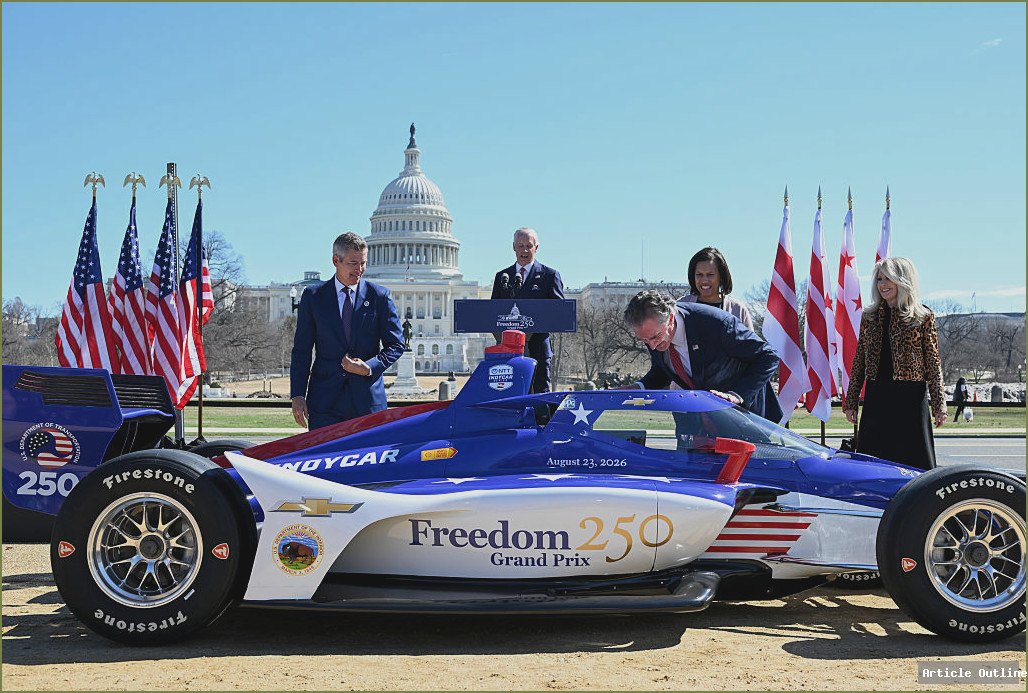
Washington, D.C. is gearing up for an unprecedented transformation: the iconic National Mall is being reimagined as a roaring, high-octane IndyCar track for the Freedom 250 Grand Prix. This isn’t just another motorsport event—it’s a bold celebration for America’s 250th birthday, and it’s making waves far beyond the racing world.
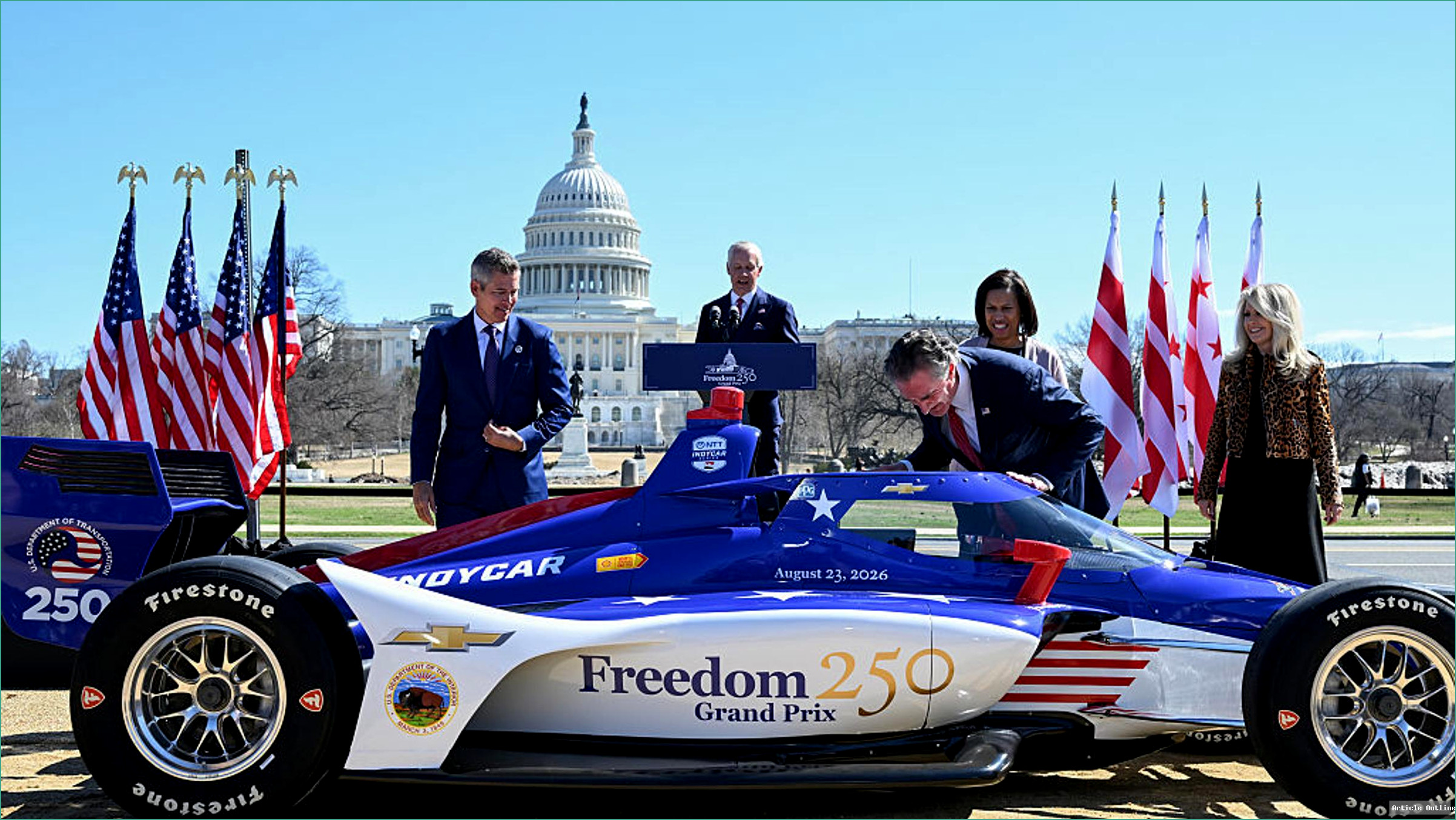
With 25 of the nation’s top drivers battling it out over 147 laps on a street circuit that threads through the capital’s most historic landmarks, the Freedom 250 is set to be a spectacle blending patriotism, politics, and pedal-to-the-metal racing. But what’s really at stake here, and why is this race capturing so much attention?
Why This Matters
- A New Chapter in American Motorsport: Never before has the National Mall hosted a major professional auto race. This is a bold statement about the evolving intersection of American sports, culture, and national pride.
- Political Theater Meets Racing: With President Trump personally taking a lap in “The Beast” (his presidential limousine) and waving the green flag, the event blurs the line between political pageantry and sporting event. This intertwining of politics and pop culture is a uniquely American phenomenon.
- Economic and Cultural Impact: Organizers expect 140,000 spectators, with 100,000 free tickets distributed by lottery. The event is also a massive investment, with a budget far exceeding Detroit’s $20 million street race—plus a $90 million federal allocation for security and logistics. The stakes are high, both financially and symbolically.
What Most People Miss
- Preservation Fears: While most eyes are on the race, museum officials and preservationists worry about vibrations damaging priceless artifacts—an often-overlooked risk when staging such an event amid national treasures. The National Gallery has conducted vibration studies and implemented special measures, but details remain hush-hush.
- Logistical Domino Effects: The Federal Aviation Administration will pause flights at Reagan National Airport for three hours during the race—just as it did for July 4th fireworks—impacting thousands of travelers and highlighting the far-reaching impact of major public events in the capital.
- Access and Exclusivity: While 100,000 lottery winners get in free, the only other way to catch the action up close is a $5,500 all-inclusive Champions Club pass. This dual approach to accessibility and exclusivity says a lot about the evolving economics of live events.
Key Takeaways
- Historic Venue, Historic Stakes: Staging a race on the National Mall is both dazzling and divisive—an audacious way to mark the semiquincentennial, but not without controversy.
- Big Money, Big Logistics: With costs well above other city races and federal funding for security, the Freedom 250 sets a new bar for what’s possible (and permissible) in urban event planning.
- Cultural Crossroads: This event is a microcosm of 2020s America—where politics, entertainment, and civic life collide in unpredictable ways.
Timeline of the Freedom 250 Grand Prix Weekend
- Saturday, 9 a.m.–all day: Practice sessions
- Sunday, 1:10 p.m.: Race start (147 laps, ~250 miles)
- Sunday, 10:15 a.m.–1:15 p.m.: Reagan National Airport flight pause
Pros and Cons Analysis
- Pros:
- Massive exposure for motorsport in a non-traditional venue
- Boost to local economy and tourism
- Innovative way to celebrate America’s 250th
- Cons:
- Concerns over artifact and building preservation
- Major traffic and travel disruptions
- Security and logistical headaches
The Bottom Line
The Freedom 250 is racing into the history books—not just as a motorsport first, but as a symbol of how America celebrates, debates, and experiments in the public square. Whether you see it as inspired or insane, it’s a weekend the city (and the country) won’t soon forget.