The 2028 Toyota Scion Kei-01 isn’t just another compact pickup — it’s a fascinating collision of Japanese kei-truck practicality and American automotive culture. While most car announcements focus on exterior styling or performance specs, a deep dive into the Kei-01’s interior reveals a story about globalization, affordability, and shifting consumer needs.
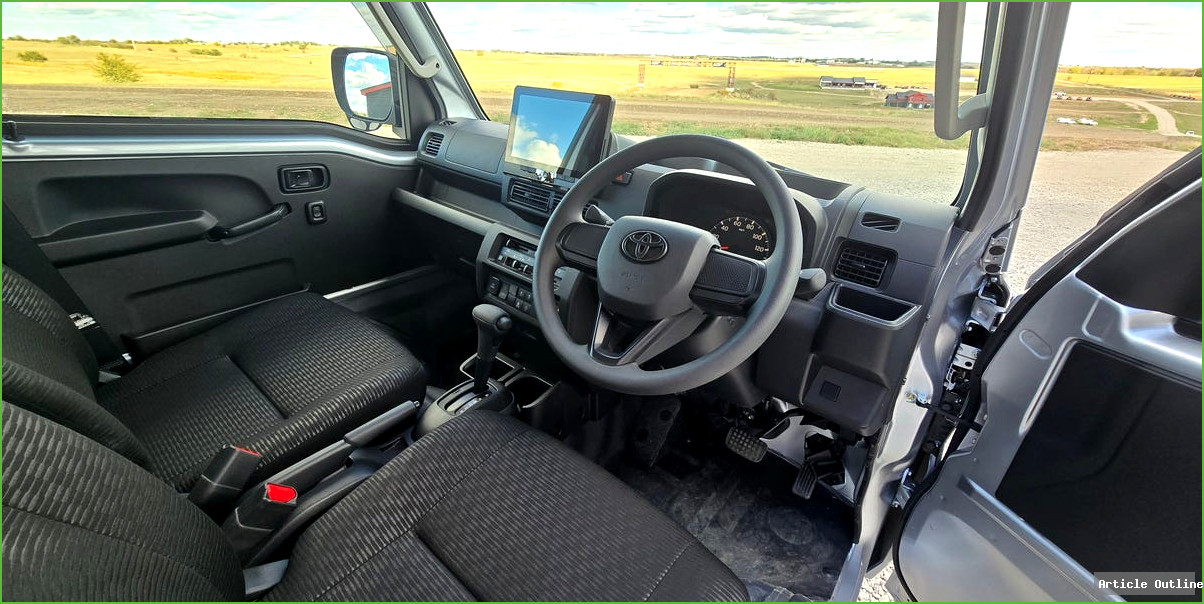
If you’ve ever wondered what happens when a Japan-market Daihatsu Hijet gets rebadged, retooled, and sent to the U.S. as a Toyota Scion with right-hand drive, you’re looking at it. But there’s much more beneath the surface.
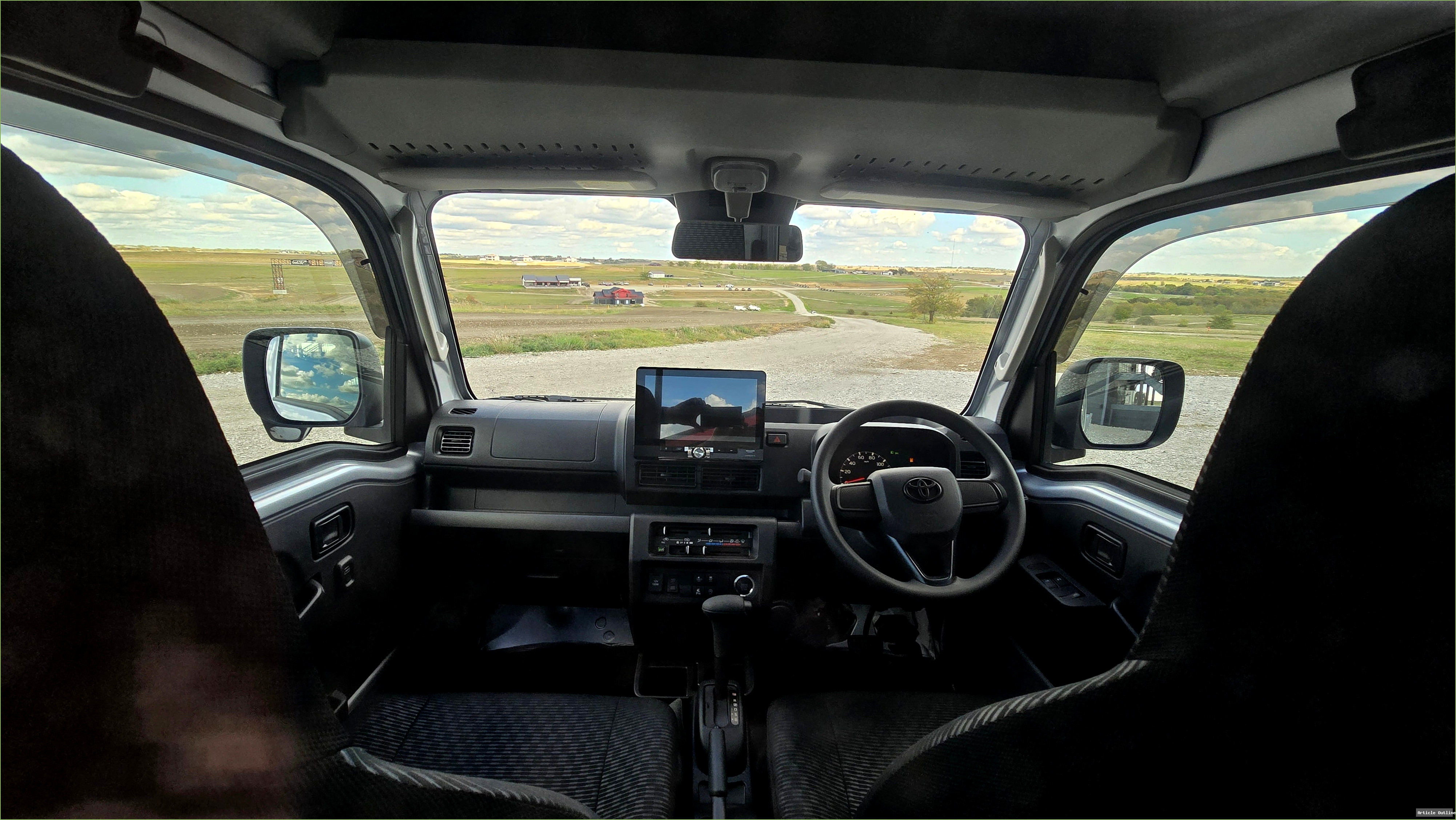
Why This Matters
- The Kei-01 signals a bold experiment: Bringing a kei-class truck to the U.S. market is a radical move, reflecting shifting priorities as urbanization and last-mile delivery needs soar.
- Right-hand drive in America? It’s almost unheard of for new vehicles. This bold choice highlights the global roots of the vehicle and Toyota’s willingness to challenge U.S. conventions for the sake of practicality and cost.
- Affordable utility is back: With basic but essential features (power windows, push-button start, air conditioning), the Kei-01 brings “just enough” tech to a segment historically ignored by major automakers.
What Most People Miss
- The badge dance: This is officially a Scion, but the steering wheel wears a Toyota logo, and the bones are pure Daihatsu. It’s a perfect case study in global platform sharing and brand strategy.
- Infotainment quirks: Testers struggled with the 9.0-inch touchscreen, likely because it’s still programmed in Japanese. This hints at the early-stage nature of the U.S. adaptation, and perhaps a certain “charmingly unfinished” quality that enthusiasts will love — or hate.
- Standard equipment surprises: Unlike many bare-bones work trucks, the Kei-01 comes with features usually reserved for higher trims. That’s big news for budget-conscious buyers.
Key Takeaways (with Analysis)
- Globalization in action: The Kei-01 is assembled in Indiana, wears a Scion badge, but draws directly from Japan’s kei-truck DNA. This multi-identity approach is becoming more common as automakers seek efficiency and cost savings.
- Changing American tastes: Compact pickups and vans are set for a renaissance as urban populations grow and younger buyers seek affordable, practical vehicles. The Kei-01 could tap into the same “cult classic” energy that made the original Scion xB popular.
- Tech where it matters: By focusing on core features and skipping expensive frills, Toyota is targeting users who want durability and simplicity — delivery firms, small business owners, and city dwellers could all benefit.
Industry Context & Comparisons
- Kei-class vehicles have long dominated Japanese streets, with over 1.7 million kei trucks and vans sold annually in Japan alone (JAMA 2023).
- U.S. interest in smaller trucks is rising — see the Ford Maverick’s runaway demand and the Hyundai Santa Cruz’s city-friendly footprint. Kei-01 enters a hot segment, but with a truly global twist.
- Unlike “gray market” kei imports, the Kei-01 is factory-backed and legal in all 50 states — a game-changer for reliability and serviceability.
Pros and Cons
- Pros:
- Superb city maneuverability
- Affordable price point (expected sub-$20k)
- Practical, no-nonsense interior
- Factory warranty and support
- Cons:
- Right-hand drive may challenge some users
- Early software/integration bugs possible
- Limited appeal outside urban or delivery markets
Timeline: How We Got Here
- 2020-2023: U.S. buyers show renewed interest in small, practical trucks (Ford Maverick, Hyundai Santa Cruz launch).
- 2024: Toyota begins U.S. trials of rebadged Daihatsu Hijet under the Scion sub-brand.
- 2028: Official U.S. launch of the Scion Kei-01 pickup, assembled in Indiana, with right-hand drive and Japanese-market tech.
The Bottom Line
The Toyota Scion Kei-01 isn’t just a funky, right-hand-drive curiosity. It’s a marker of big changes in how global automakers are thinking about the U.S. market — more affordable, more practical, and less afraid to break old rules. If you want a vehicle that’s equal parts conversation starter, workhorse, and urban runabout, the Kei-01 might just carve out a loyal following. Watch this space — a new era of compact utility could be rolling in.