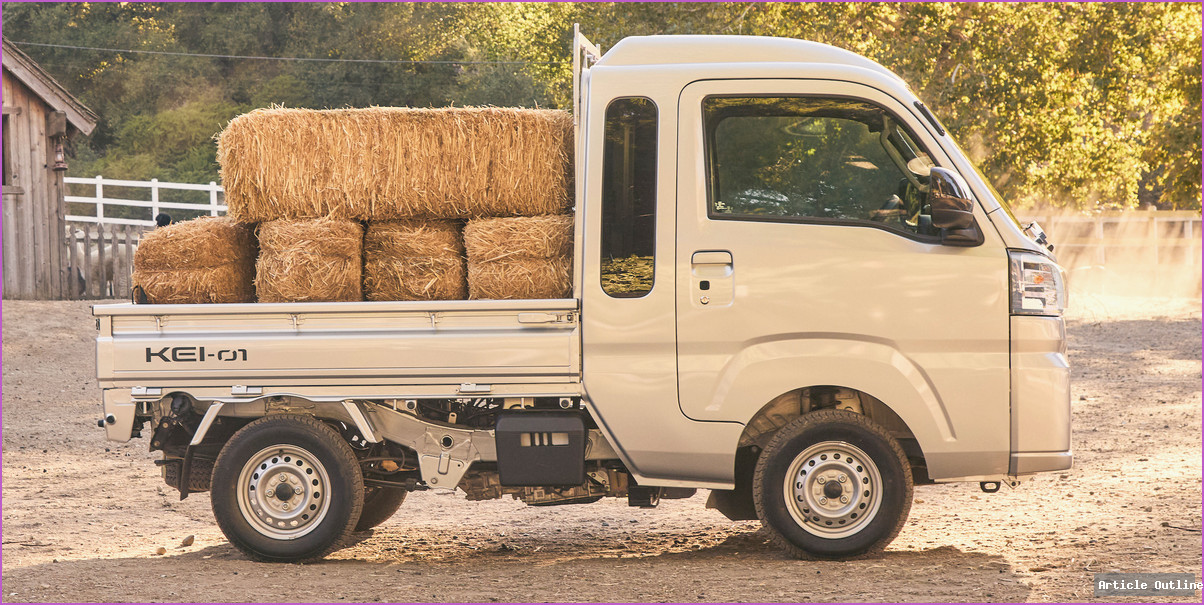
The resurrection of Scion by Toyota, marked by the upcoming KEI-01 micro truck, isn’t just a quirky nod to Japanese kei culture—it’s a bold statement about where urban transportation might be heading. With the KEI-01, Toyota isn’t chasing horsepower or payload bragging rights. Instead, it’s spotlighting a growing niche: affordable, hyper-efficient, attention-grabbing utility vehicles built for city life.
Let’s break down why the KEI-01 is such a fascinating play—and why it could be more important than it looks at first glance.
Why This Matters
- Urbanization is reshaping vehicle needs: As cities grow denser, the demand for small, maneuverable utility vehicles rises. The KEI-01’s size and speed cap make it perfect for last-mile deliveries, campus work, or even hipster coffee runs.
- Regulatory loophole exploitation: By keeping its top speed at 25 mph, the KEI-01 qualifies as a low-speed vehicle (LSV) under U.S. law—dodging some of the costly safety and emissions requirements that come with larger trucks.
- The Scion brand’s rebirth: Toyota is testing whether nostalgia and unique product positioning can revive a brand that struggled with identity a decade ago. If KEI-01 succeeds, expect other quirky Scions to follow.
What Most People Miss
- This is not about replacing your F-150. At just over 11 feet long and under five feet wide, the KEI-01 is closer to a golf cart than a pickup, and its 600-pound payload is less than half that of the Ford Maverick.
- It’s a street-legal statement piece: The KEI-01 is designed to get you noticed. If you want to stand out at a car meet or zip through urban side streets, nothing else will draw as many double-takes.
- Timing matters: Electric competitors like the Slate Truck are already pushing the micro-pickup envelope, offering higher speeds, more payload, and full U.S. road legality. Toyota’s choice to go gas-powered bucks the trend, potentially appealing to a different slice of the market.
Key Takeaways
- Engine: 660cc 3-cylinder (gasoline)
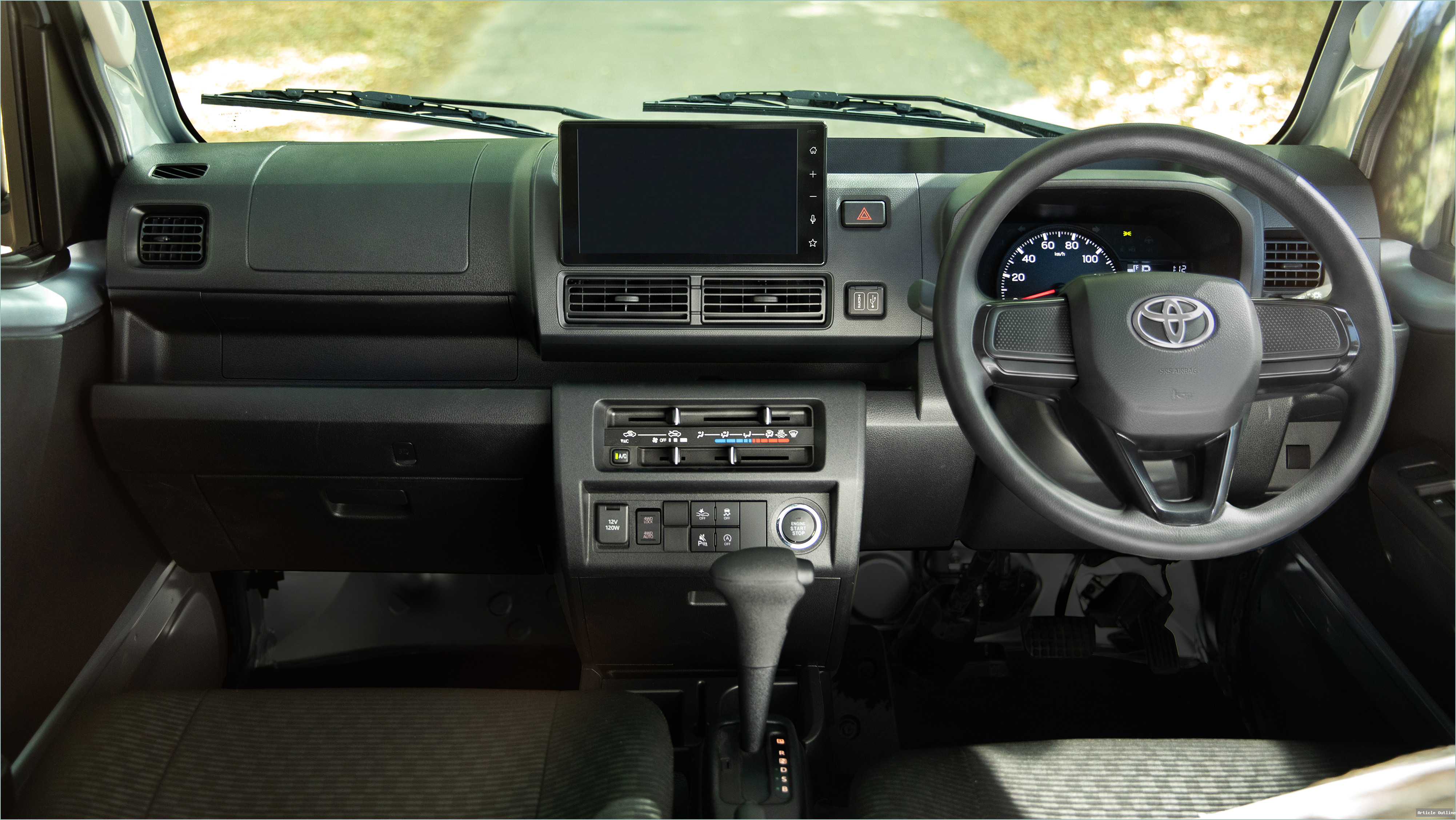
- Transmission: CVT, selectable 4WD
- Top Speed: 25 mph (LSV compliant)
- Payload: 600 lbs
- Assembly: Toyota Indiana plant, late 2027
Industry Context & Comparisons
- Slate Truck: Larger (3 feet longer, 1 foot wider), all-electric, 1550 lbs payload, up to 181 hp, legal on all roads.
- Ford Maverick: Compact truck, 1500 lbs payload, built for mainstream buyers.
- KEI-01 is the smallest, slowest, and most “boutique” entry—but potentially the most fun and nostalgic.
Pros & Cons
- Pros:
- Unique design and street presence
- Super easy to park and maneuver
- Low operating costs
- Potential cult following
- Cons:
- Extremely limited speed and payload
- Likely impractical for most U.S. pickup buyers
- Gas engine feels a bit retrograde compared to EV rivals
Action Steps & Implications
- If you’re in the market for a fun, functional city runabout, keep an eye on the KEI-01’s launch.
- Small businesses or campuses looking for green, compact utility vehicles may want to compare the KEI-01 with electric LSVs.
- Watch for Toyota’s next Scion move—this could be the start of a broader micro-mobility push.
“Small, ultrabasic pickups are having a moment right now, with the all-electric Slate Truck leading the charge.” — Car and Driver
The Bottom Line
The 2028 Scion KEI-01 isn’t for everyone—but it’s a bold, retro-futuristic shot at the changing needs of urban drivers and nostalgia lovers alike. Toyota’s micro-truck will likely spawn imitators if it catches on. Whether you think it’s adorable or absurd, one thing is clear: the future of city trucks is getting a lot smaller and a whole lot more interesting.