What if the future of urban transport in some of the world’s busiest cities was not a car, not a scooter, but a quirky, futuristic three-wheel EV that looks like it just rolled out of a sci-fi movie set? Enter the Hyundai E3W, a bold new mobility solution aimed squarely at the rapidly evolving courier and ride-share markets in Asia and Africa.
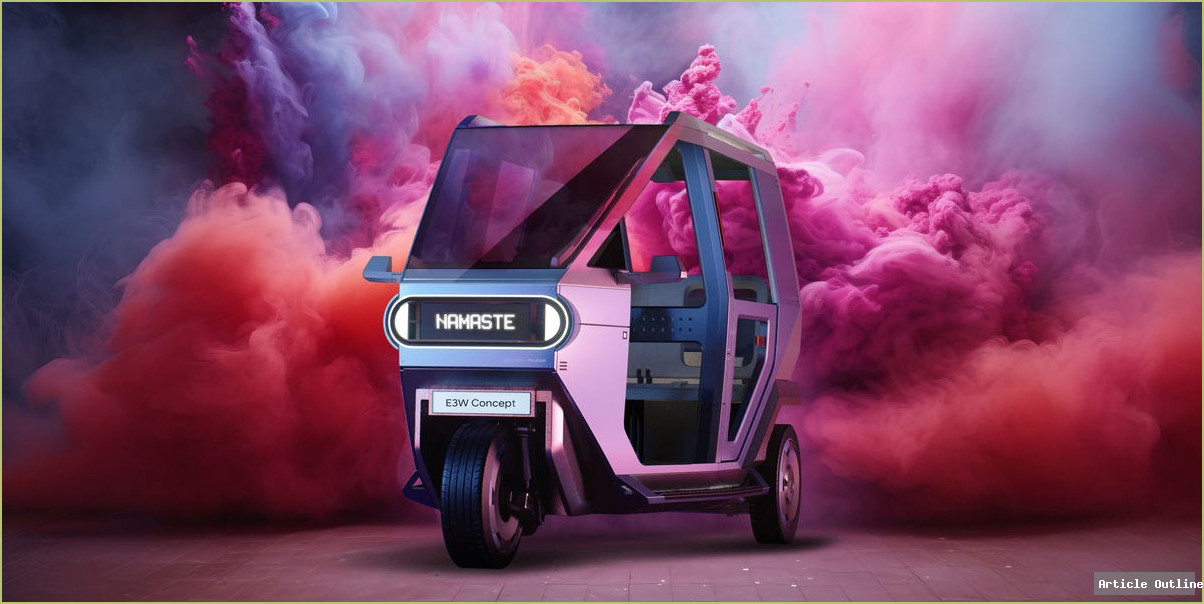
This isn’t just another dabble in electric vehicles—Hyundai’s E3W signals a major shift in how automakers are thinking about developing-world mobility. With a height-adjustable body (yes, you can raise it to avoid flooded streets!) and an interior designed for the gig worker, this is a fresh take on a humble workhorse.
Why This Matters
- Urban congestion and pollution in Asia and Africa are at crisis levels. Traditional gas-powered rickshaws and delivery vehicles contribute significantly to poor air quality and carbon emissions.
- “Last mile” delivery is exploding thanks to e-commerce, but most EV innovation focuses on cars, not the nimble, affordable vehicles couriers and small businesses actually use.
- With its partnership with India’s TVS Motor Company, Hyundai is localizing manufacturing and supply chains, which could mean lower costs and more region-specific innovation.
What Most People Miss
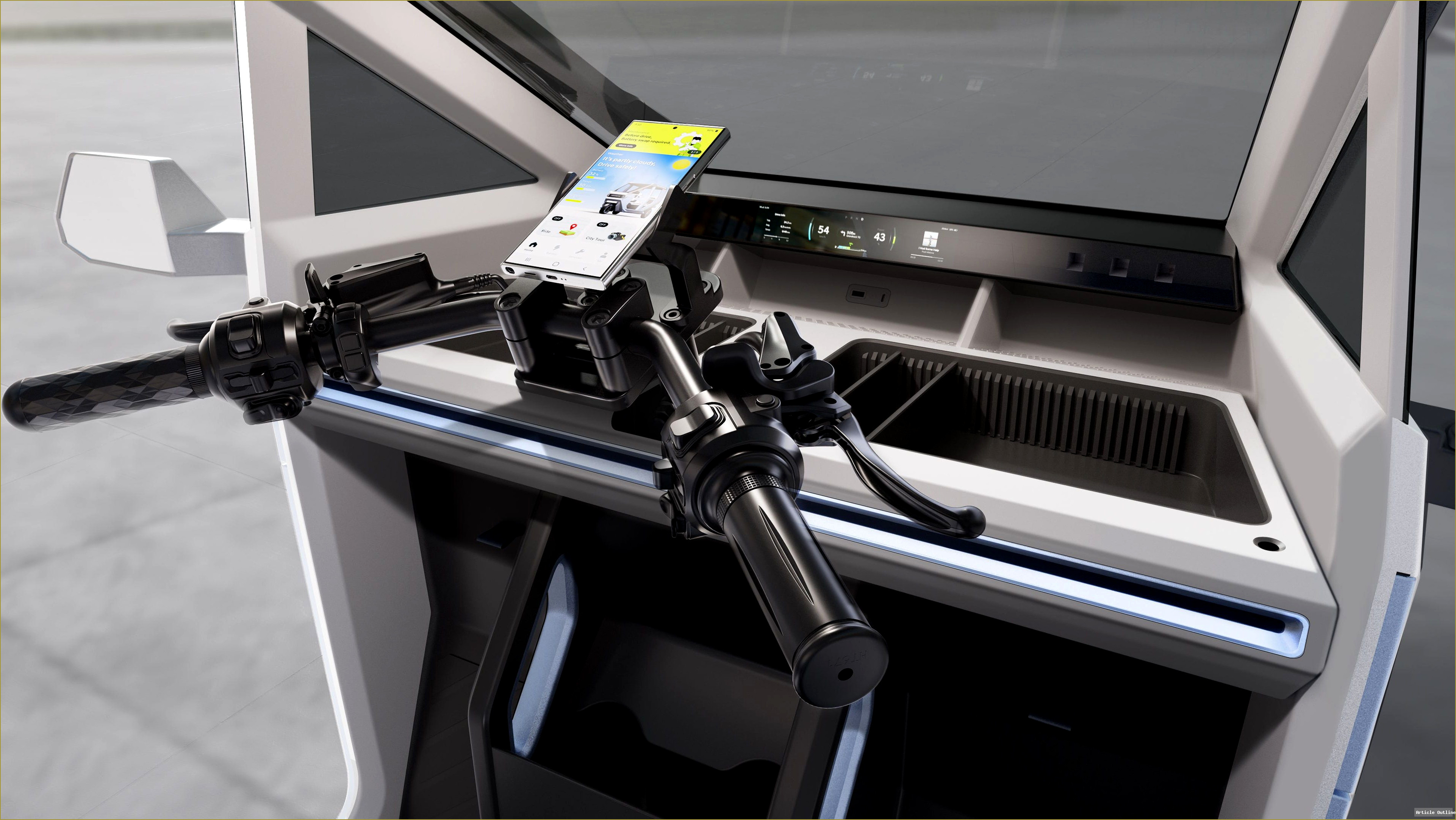
- The E3W’s modular, pegboard-inspired interior isn’t a gimmick—it’s a game-changer for customizing storage and workspace, crucial for drivers who spend all day in their vehicles.
- Height-adjustable bodywork: This isn’t just about curb appeal. In cities like Mumbai, Lagos, or Jakarta, flooding is routine. Being able to quickly raise your vehicle could mean the difference between a productive day and a breakdown.
- Hyundai isn’t just chasing delivery and taxi markets. The E3W also has concepts for rapid-response emergency services and even a racy “N-Line” mini racecar version—an all-in bet on platform versatility.
Key Takeaways
- The E3W’s real competition is the Fiat Tris and the electric tuk-tuks popping up across Asia—this is a battle for dominance in the world’s fastest-growing mobility markets.
- India is not just the launchpad but the likely production hub, leveraging TVS’s expertise and Hyundai’s tech muscle—a smart play for both cost and market penetration.
- Don’t expect to see the E3W zipping through U.S. streets anytime soon. Hyundai is laser-focused on regions where these vehicles can make the biggest impact.
Industry Context & Comparisons
- Three-wheelers (often called tuk-tuks) already comprise over 20% of motorized traffic in some South Asian cities. Electrifying them could dramatically cut urban emissions.
- The global last-mile delivery market is projected to reach $200 billion by 2027 (Statista). Vehicles like the E3W are purpose-built for this boom.
- Hyundai’s move mirrors similar trends by competitors like Bajaj (with their electric rickshaws) and Piaggio, but the E3W’s modularity and tech focus set it apart.
Pros and Cons
- Pros: Purpose-built for local needs; customizable interior; eco-friendly; affordable to maintain; multiple use cases (delivery, taxi, emergency response).
- Cons: Limited to emerging markets (for now); unknown real-world performance; adoption depends on charging infrastructure and regulatory support.
The Bottom Line
The Hyundai E3W isn’t just another quirky concept—it’s a serious, practical response to real-world problems in some of the planet’s busiest, most dynamic cities. By focusing on adaptability, efficiency, and local manufacturing, Hyundai is setting itself up not just as a carmaker, but as a mobility leader for the next decade. Watch this space—if the E3W takes off, it could reshape urban transport far beyond Asia and Africa.