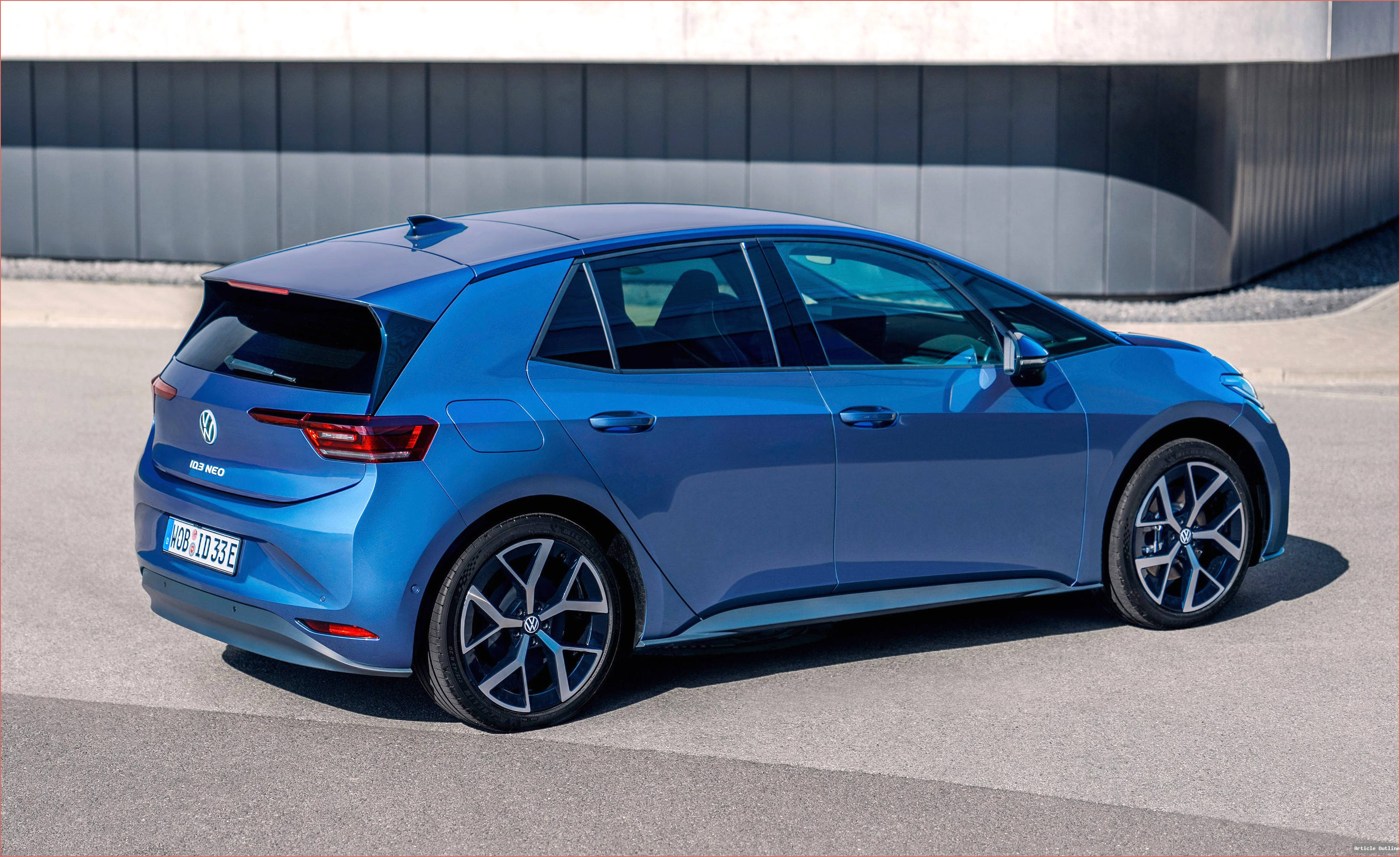
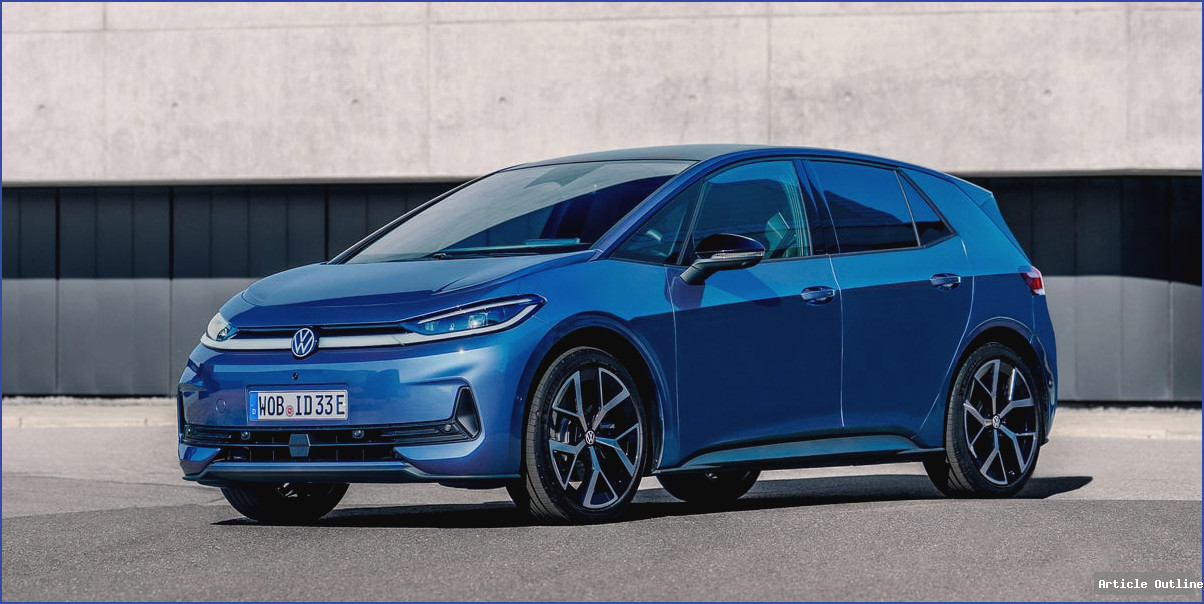
Volkswagen’s new ID.3 Neo isn’t just a design refresh—it’s a clear signal that VW has listened to customer feedback and is ready to correct course in the electric vehicle (EV) race. Let’s dig into why this seemingly modest hatchback could be the blueprint for a smarter, more user-friendly era of electric cars worldwide.
Why This Matters
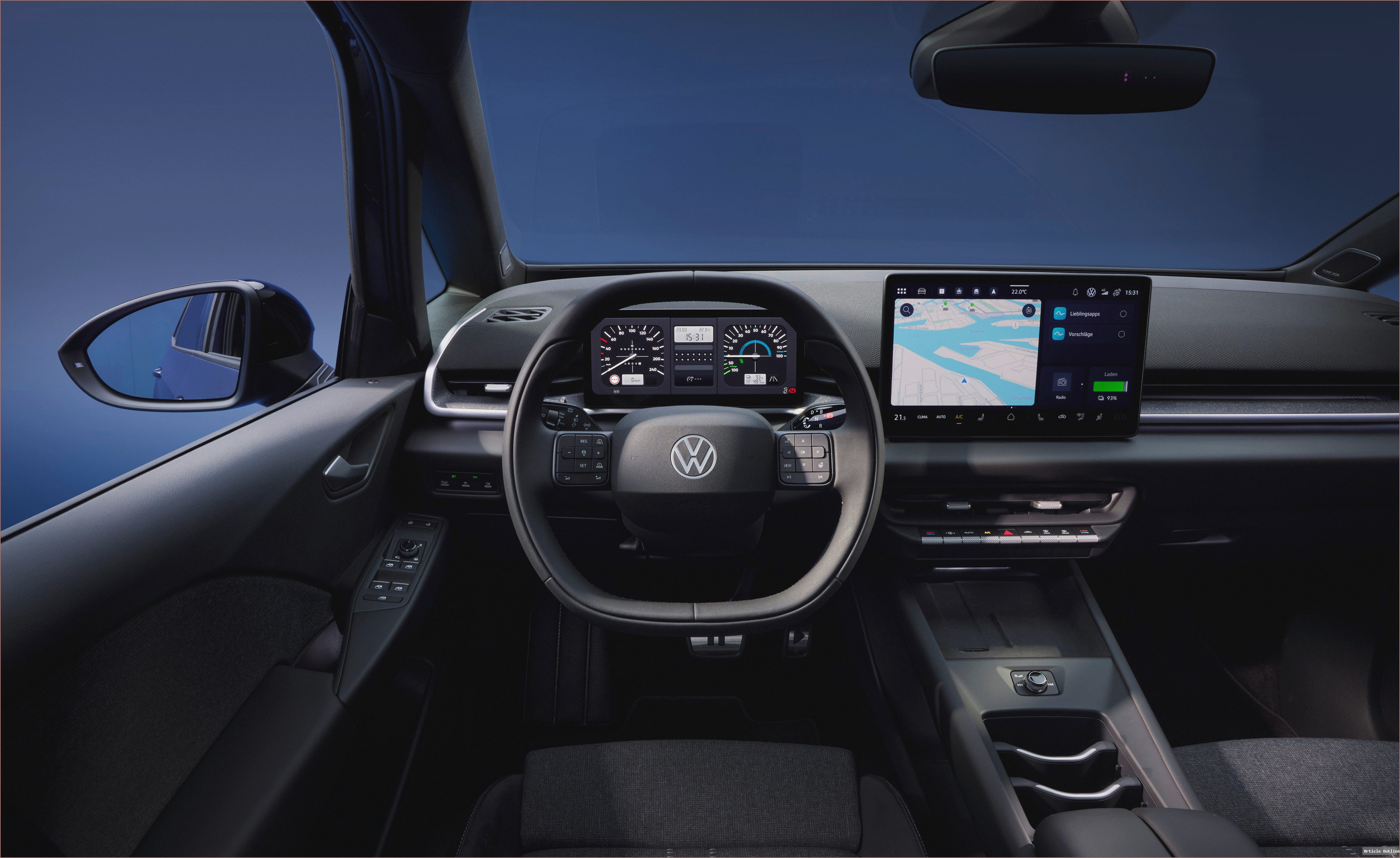
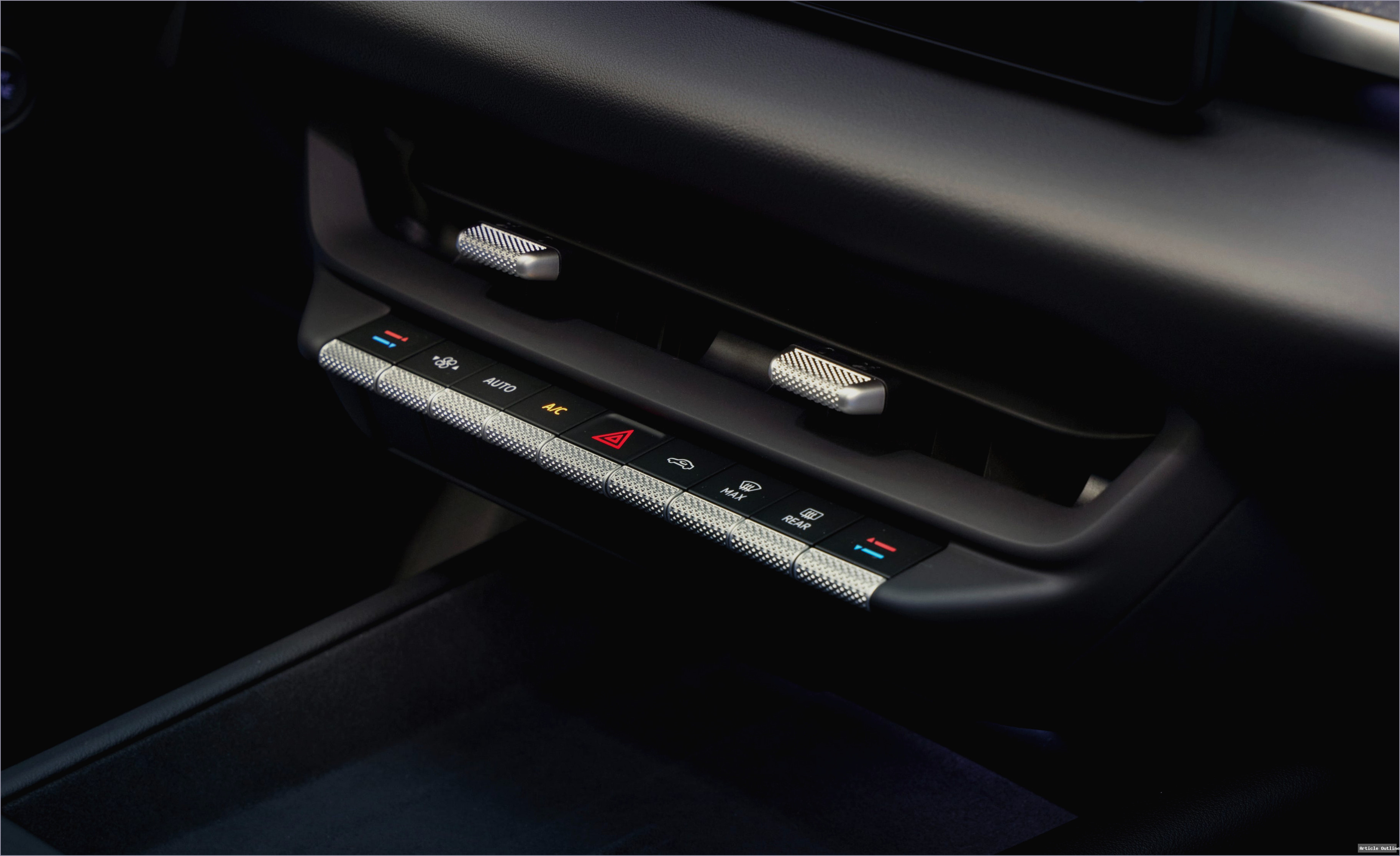
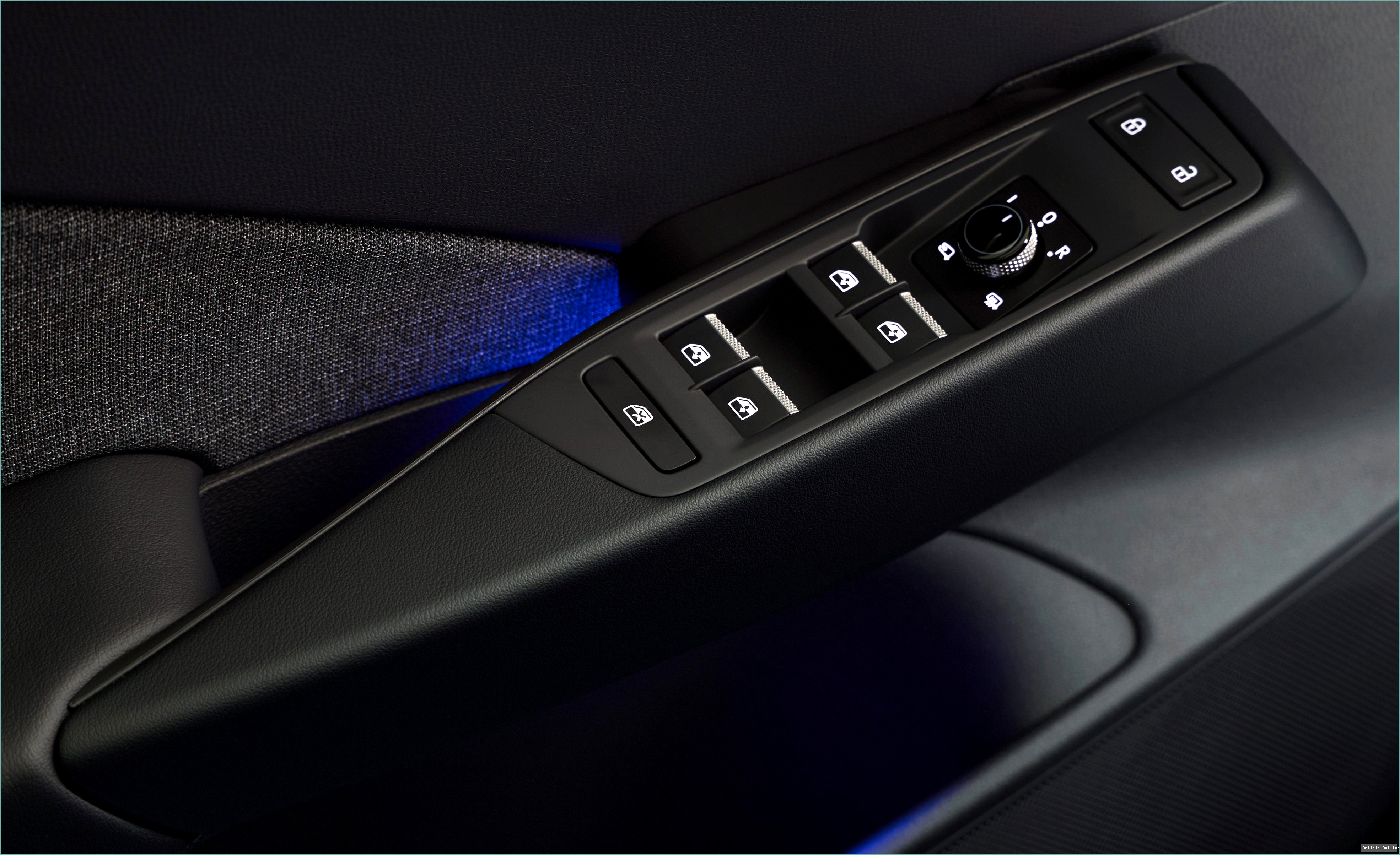
- VW finally embraces physical controls again. The haptic-only experiment left many frustrated; the return of real buttons is a direct response to consumer complaints.
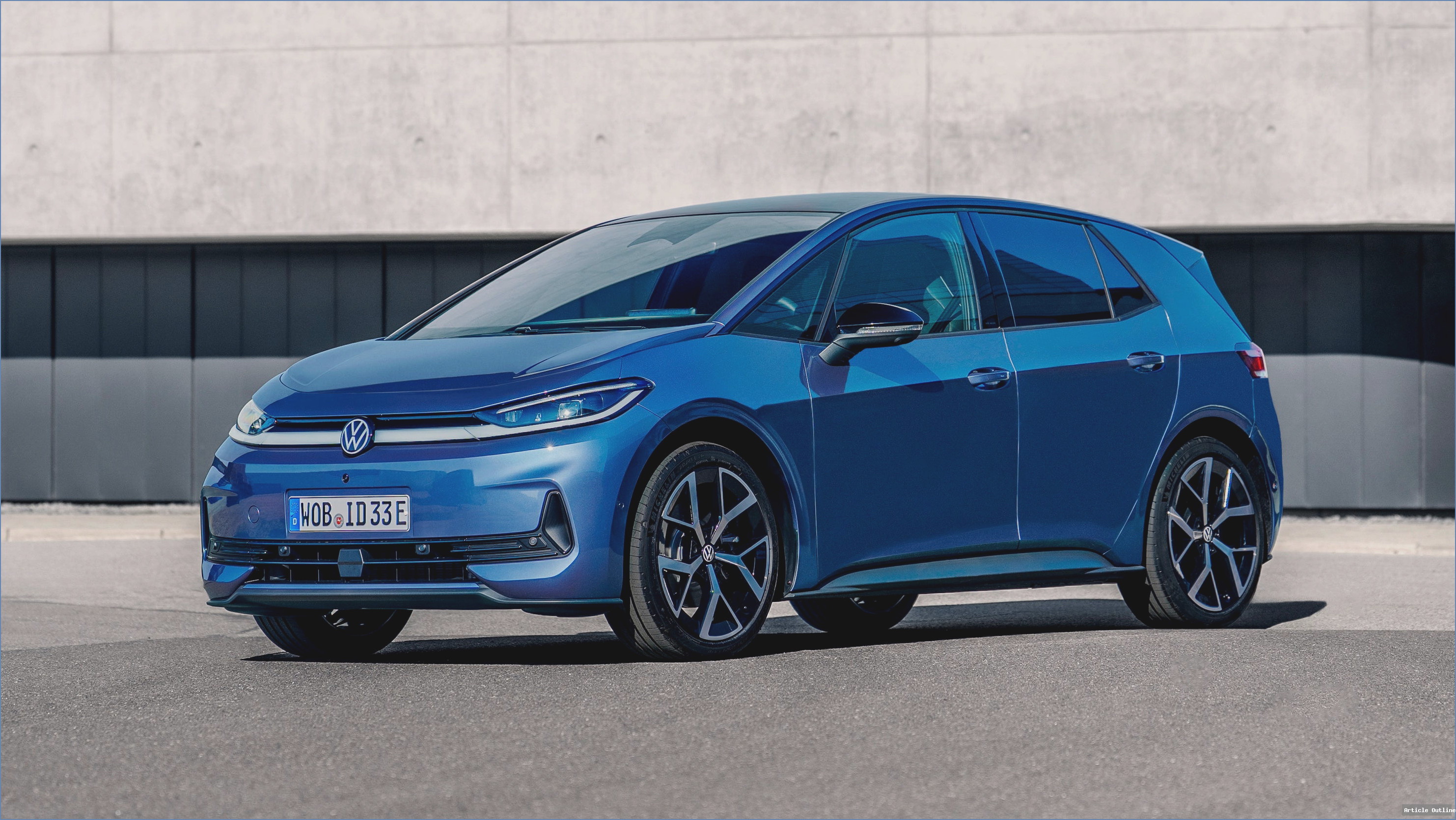
- Design language has matured. Gone are the awkward color splashes and toy-like gimmicks. The new look is sleek, grown-up, and ready to compete with premium rivals.
- Performance and range leap forward. With up to 391 miles of range (WLTP) and faster charging, the ID.3 Neo closes the gap with industry leaders like Tesla and Hyundai.
Key Takeaways
- Physical over digital: VW’s U-turn from all-digital, haptic controls to physical buttons is a rare admission of a design mistake. This move prioritizes usability and driver satisfaction over tech “flash.”
- Premium feel, not just looks: Upgraded materials and smarter cabin layout bring VW’s EVs closer to the likes of Mercedes and BMW, without the price tag.
- Smart tech, not gimmicks: The ID.3 Neo offers real-world EV features like vehicle-to-load (V2L) power, a 360-degree camera, AR head-up display, and even massage seats. These aren’t just for show—they solve everyday challenges for drivers.
- Battery options for all: Three power levels and battery sizes (up to 79 kWh) mean buyers can prioritize performance, price, or range—something many EVs still lack.
What Most People Miss
- VW’s course correction is a lesson for the entire auto industry. For years, automakers have chased screen size and software glitz, often at the expense of basic usability. Volkswagen’s reversal is proof that sometimes, less tech is more.
- Europe’s EV market is leading, not lagging. While VW struggles in the US, its European EV sales are strong—thanks to models like the ID.3 Neo that are actually built for European roads and tastes.
- Many American buyers may never see the ID.3 Neo in person. But the design and interface choices here are likely to trickle into VW’s global lineup, influencing the next generation of cars everywhere.
Context: VW in the Global EV Game
- VW’s mixed EV record in the US: The ID.4 has had stop-sales, the ID.7 sedan was axed before launch, and the ID.Buzz isn’t gaining traction. In Europe, however, ID models are best-sellers in many markets.
- Industry trend: After years of criticism about confusing touch interfaces (remember Ford’s MyFord Touch disaster?), there’s a growing push back to physical controls. Consumer Reports and J.D. Power surveys have documented widespread frustration with over-digitized controls.
- Comparisons: Hyundai’s Ioniq 5 and Kia’s EV6 offer similar range and tech, but VW now challenges them on refinement and everyday usability.
Pros & Cons Analysis
- Pros: Intuitive controls, mature styling, competitive range, rapid charging, real-world tech features, improved cabin materials.
- Cons: Not coming to the US (yet), WLTP range may overstate real-world numbers, still faces stiff competition from Asian brands.
The Bottom Line
The Volkswagen ID.3 Neo isn’t just a facelift. It’s a signal to the whole car industry: listen to your customers or get left behind. By fixing its own design missteps and prioritizing what drivers actually want, VW sets a compelling new standard for electric cars. If this DNA spreads across their portfolio, expect a much brighter (and less infuriating) future for VW’s global customers.
Sources: