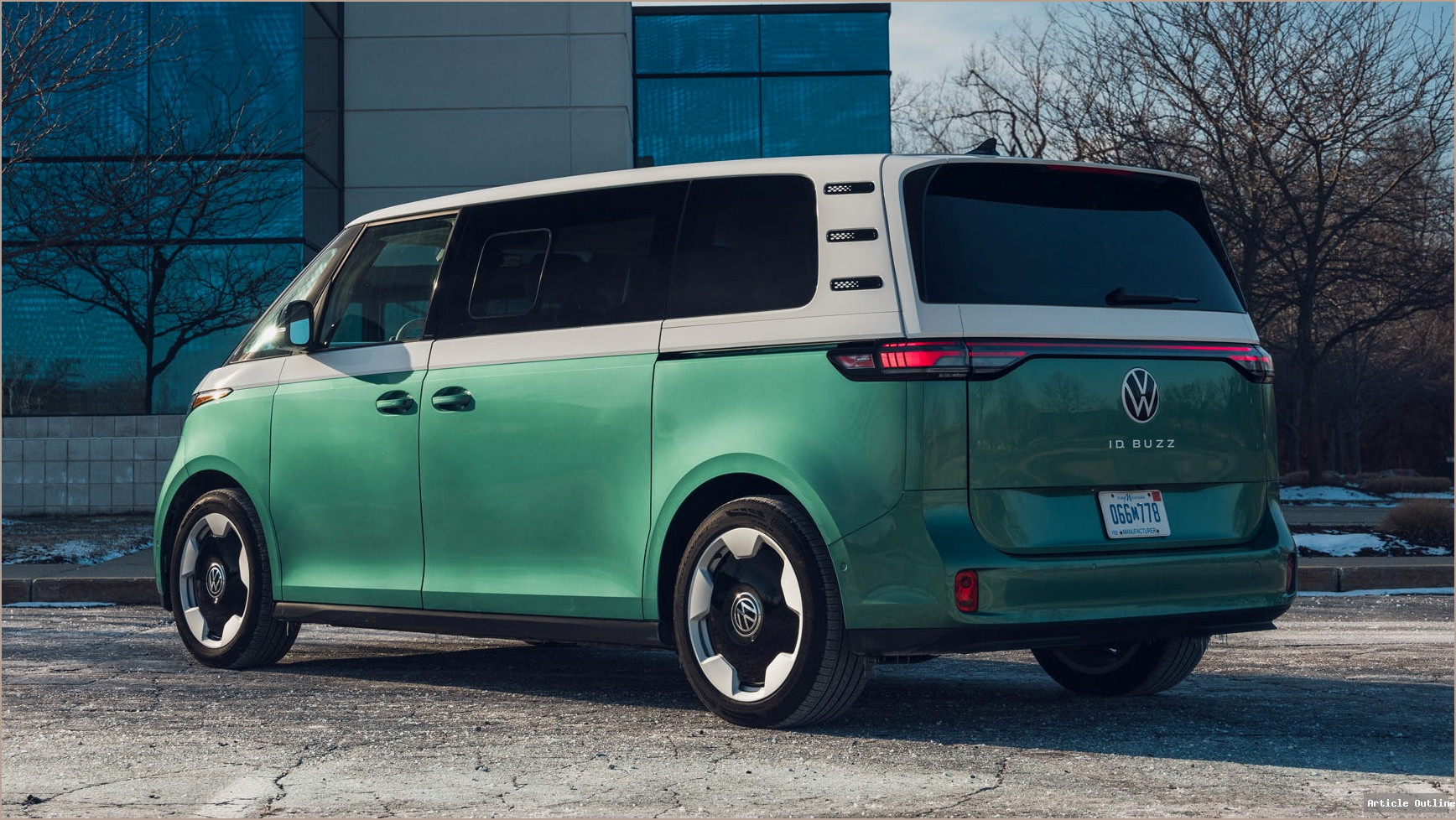
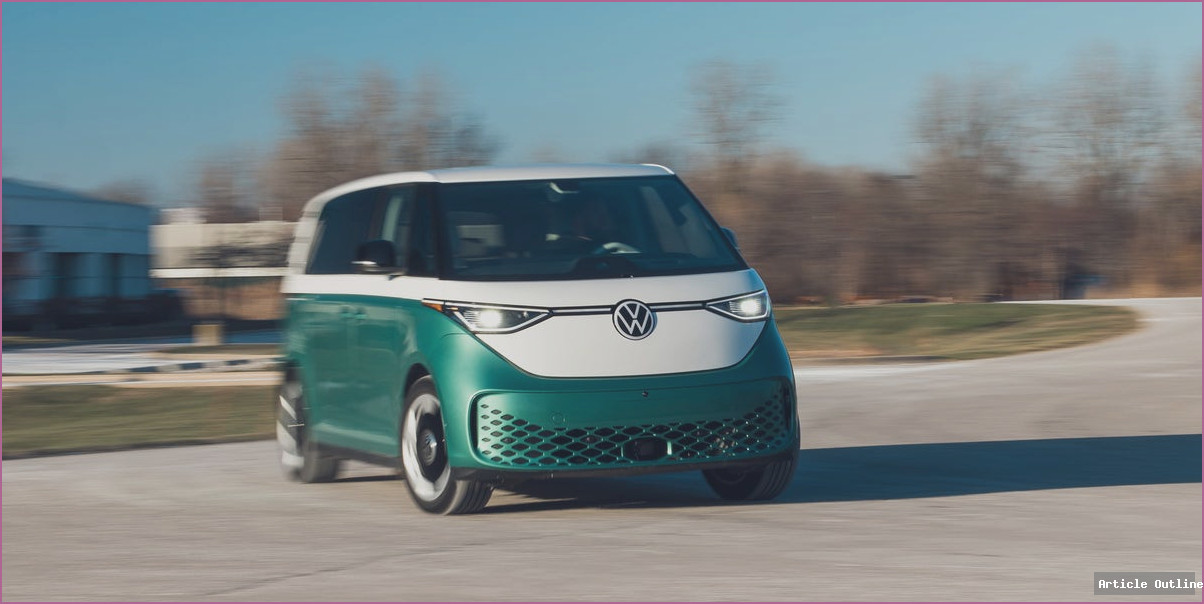
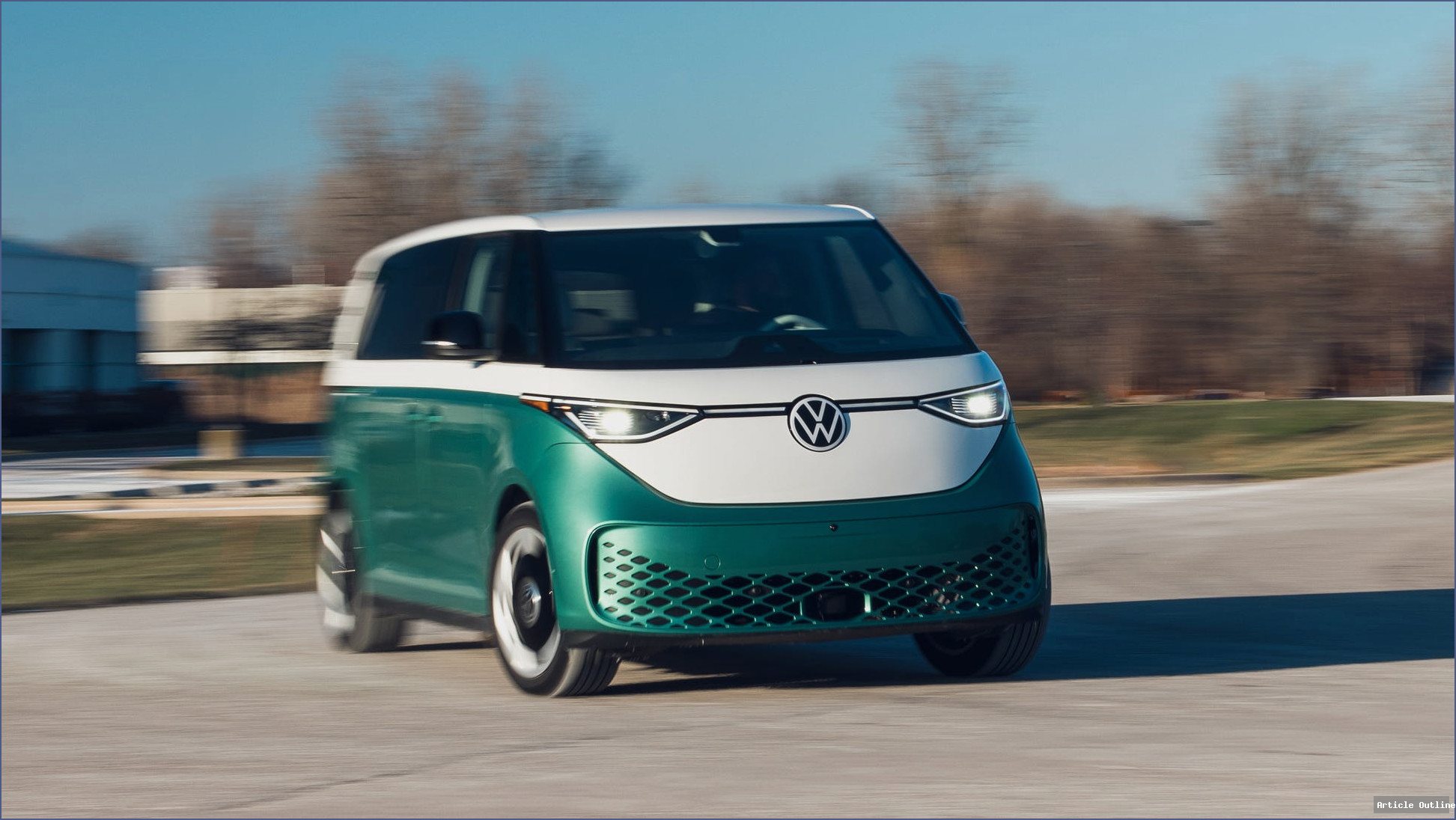
The much-anticipated return of the Volkswagen ID.Buzz to the U.S. market has been pushed back yet again—now scheduled for the 2028 model year. For fans of retro vans and electric vehicles, this delay isn’t just a calendar shift—it’s a telling signal about the current state of the EV market, supply chain realities, and Volkswagen’s larger strategy in North America.
Why This Matters
- The delay underscores the growing pains facing legacy automakers as they try to electrify their lineups in the U.S.
- It reflects shifting priorities and real-world hurdles, from software integration to inventory management, that can make or break new EV launches.
- For consumers, each delay pushes out the timeline for mainstream adoption of fun, family-friendly electric vehicles with character—something the ID.Buzz uniquely offers.
What Most People Miss
- Low initial sales numbers (6140 units in 2025) and surplus inventory suggest demand for the ID.Buzz may have been overestimated, or that the market isn’t quite ready for a retro-styled EV van at its price point.
- The software update and new features (vehicle-to-load, digital key) point to Volkswagen’s recognition that EV buyers expect tech parity—or superiority—over Tesla and Hyundai.
- Switching to the NACS (Tesla) charging standard is a strategic move, ensuring future compatibility and showing how even giants like VW must adapt to the charging ecosystem shaped by competitors.
Key Takeaways
- Timeline Volatility: The ID.Buzz was set to skip 2026, return for 2027, and now, it’s 2028. This reflects ongoing uncertainty in EV rollouts, not just for Volkswagen but industry-wide.
- Feature Catch-Up: The added features for 2028—like vehicle-to-load and digital key—are no longer “nice to haves”; they’re table stakes in the EV world, especially as Hyundai, Kia, and Ford push similar (or better) tech.
- Inventory Management: Despite the gap year, VW kept selling leftover ID.Buzzes into 2026, suggesting either supply chain miscalculations or consumer hesitation.
Industry Context: The Bigger Picture
- The global EV market saw a slowdown in sales growth in 2025-2026, with the U.S. lagging behind China and Europe in adoption rates. Analysts cite consumer price sensitivity, charger anxiety, and a lack of diverse EV body styles as key barriers.
- Volkswagen is not alone: Ford delayed new EV launches, while GM restructured its EV roadmap in the same timeframe. The ID.Buzz delay is part of a larger pattern among legacy automakers recalibrating their aggressive EV timelines.
- The ID.Buzz’s “Tourer” variant is a nod to the growing van-lifer and camper market, but unless pricing and range are competitive, it risks becoming a niche curiosity rather than a mainstream hit.
Timeline: The ID.Buzz’s Long Road Back
- 2025: U.S. launch; 6140 units sold.
- 2026: Model year skipped, but leftover stock continues selling (2481 units in H1 2026).
- 2027: Supposed return, but launch postponed; no pricing announced.
- 2028: Now the new target, with upgraded tech and features.
Pros and Cons Analysis
- Pros: Improved tech features, better charging compatibility, focus on digital convenience, likely more refined after extra development time.
- Cons: Risk of losing momentum and consumer interest, potential for outdated design by 2028, EV competition only gets fiercer in the interim.
The Bottom Line
Volkswagen’s ID.Buzz delay is more than a footnote—it’s a snapshot of the EV transition’s bumpy journey in the U.S. market. For fans, the wait continues, but the hope is that the 2028 model will be more than just a nostalgia play. It needs to be a tech-forward, practical, and competitively priced EV that lives up to the hype. Until then, the story of the ID.Buzz remains a cautionary tale—and a case study in why bringing beloved icons into the electric future is harder than it looks.
Sources: