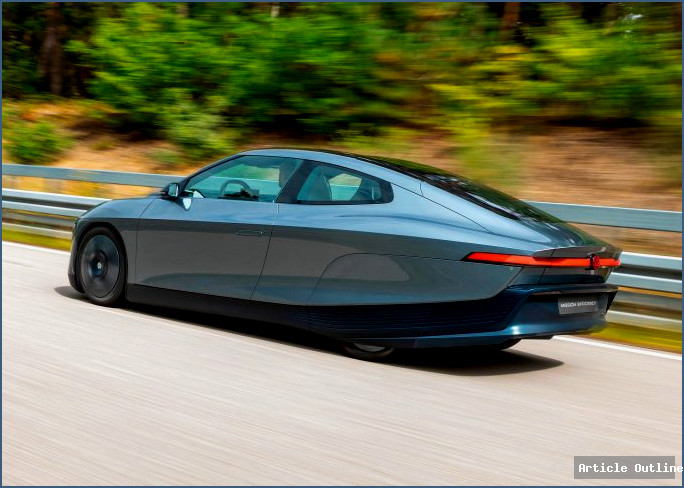
Volkswagen just unveiled its Mission Efficiency prototype, and the automotive world is buzzing. This isn’t just another futuristic concept with wild numbers—it’s a real, drivable electric vehicle (EV) that’s almost twice as efficient as today’s most efficient production car, the Lucid Air Pure. But what’s really going on beneath the surface, and why should you care? Let’s dig in.
Why This Matters
- Efficiency is the holy grail for EVs. The Mission Efficiency’s 279 MPGe (miles per gallon equivalent) is a leap forward, promising far longer range from smaller batteries. That could mean cheaper EVs, less mining for minerals, and reduced environmental impact.
- Volkswagen isn’t just theorizing. They drove the car 794 miles from Wolfsburg to Vienna on a single charge and a quick top-up, arriving with 104 miles left in the battery. This isn’t hype—it’s a demonstration.
- Automakers everywhere are struggling to balance range, cost, and comfort. VW’s prototype shows what’s possible when you throw all your chips on efficiency—even if it means making some tough trade-offs.
What Most People Miss
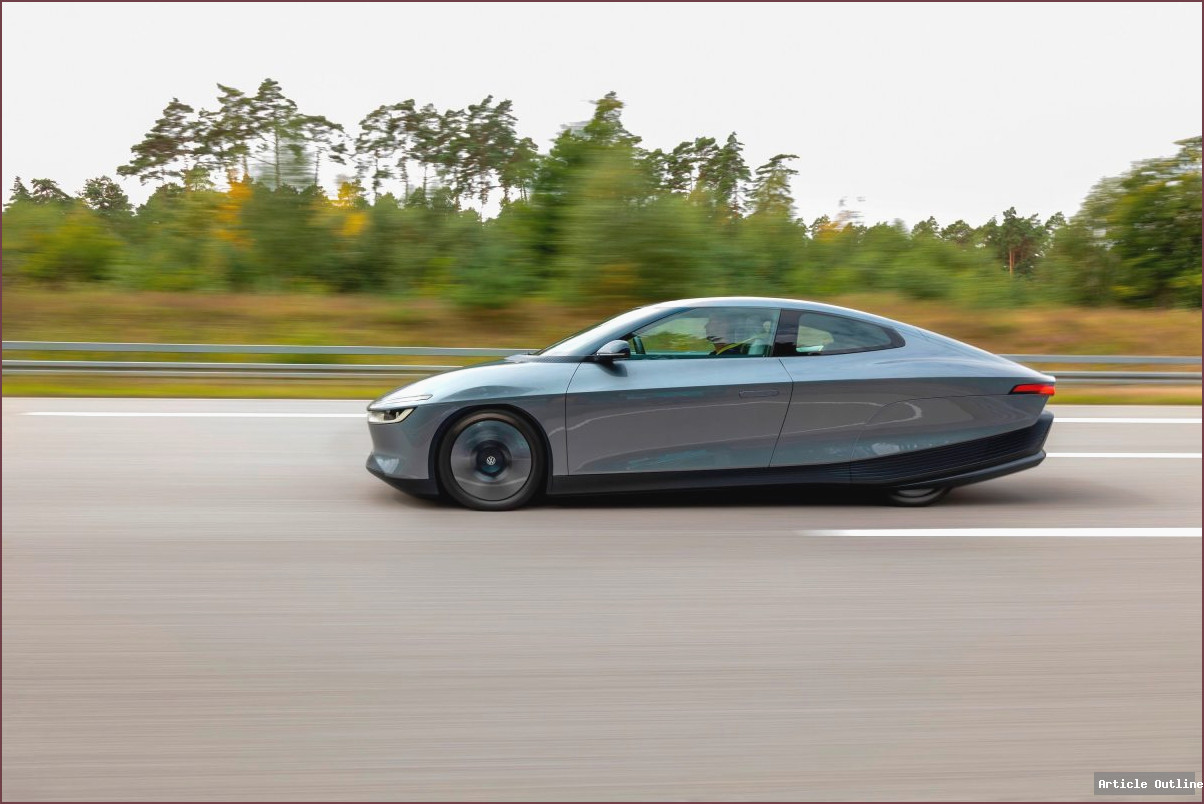
- The Kammback shape is more than a design quirk. By embracing this ultra-aerodynamic form (drag coefficient of just 0.158!), VW slashed wind resistance to levels rarely seen outside race cars and hypermilers.
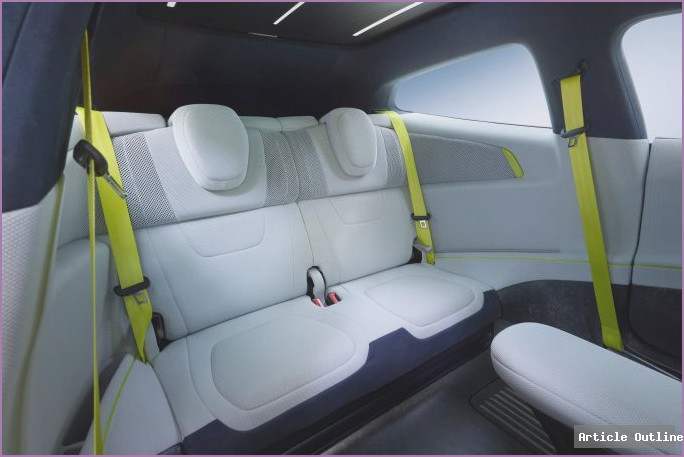
- Compromises are real: the car is technically a 2+2, where only those under 5’3” will comfortably fit in the back. Practical family hauler? Not quite—but that’s not the point.
- VW didn’t ditch side mirrors for cameras, unlike some competitors. Why? Depth perception. It’s an overlooked safety and usability factor, suggesting VW is still thinking about real drivers—not just efficiency.
- Solar panels on the roof and trunk aren’t just a PR stunt, but let’s be realistic: they only add about 18 miles of range under perfect conditions. Useful? Marginally. Symbolic? Absolutely.
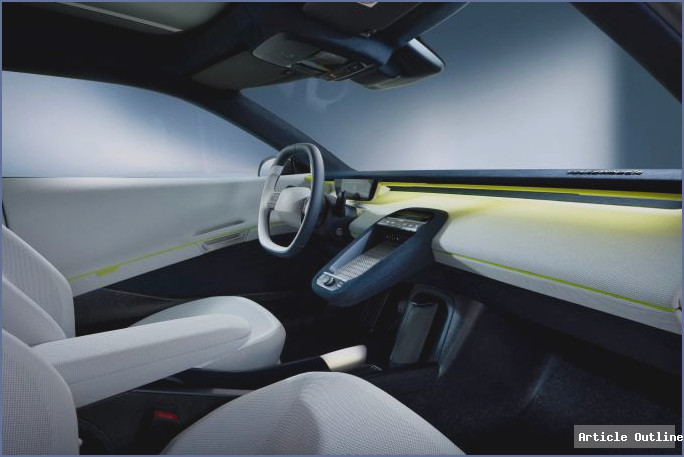
- VW borrowed a trick from Slate Auto, ditching built-in infotainment for a bring-your-own-device approach. This is a radical cost- and weight-saving move—echoing a broader shift toward modular, user-focused interiors.
Key Takeaways & Industry Context
- Efficiency is the new status symbol. Lucid Air, Tesla Model S, and now Volkswagen are all competing not just on speed or luxury, but on how far you can go per kWh.
- The Mission Efficiency’s 54.9 kWh battery hints at a future where smaller, lighter batteries deliver more range—potentially making EVs more affordable and sustainable for all.
- Every detail was scrutinized for efficiency, even if it meant sacrificing comfort or practicality. This is a concept car, sure, but expect some of these innovations to trickle down into future mainstream VWs.
- Remember the XL1? VW built 250 of those high-efficiency cars a decade ago. That wasn’t mass production, but it proved they’re willing to turn radical ideas into (limited) reality.
Timeline: Evolution of Volkswagen’s Efficiency Pursuits
- 2013: VW launches the XL1, the ‘one-liter car,’ at €110,000—an engineering marvel, if not a sales hit.
- 2026: The Mission Efficiency prototype debuts, boasting nearly double the efficiency of the current best production EVs.
Pros and Cons of VW’s Mission Efficiency Approach
- Pros:
- Incredible energy efficiency—sets a new benchmark
- Practical demonstration, not just a theoretical exercise
- Innovative design with real-world driving data
- Signals potential for affordable, lower-impact EVs
- Cons:
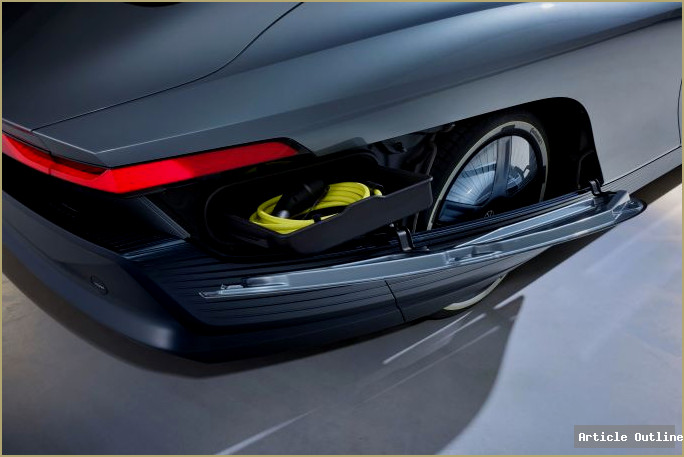
- Compromises on comfort and practicality (tiny back seats, tight wheel arches)
- Solar panels add little real-world value
- Uncertain production prospects; could be more halo than hero
The Bottom Line
Volkswagen’s Mission Efficiency is more than a science project. It’s a message to the industry and consumers: radical efficiency is achievable, but it requires rethinking what we want (and need) in a car. Expect some of these innovations to filter down into the next generation of everyday EVs. For now, this prototype is an inspiring—if imperfect—glimpse at what’s possible when efficiency takes center stage.
Sources: