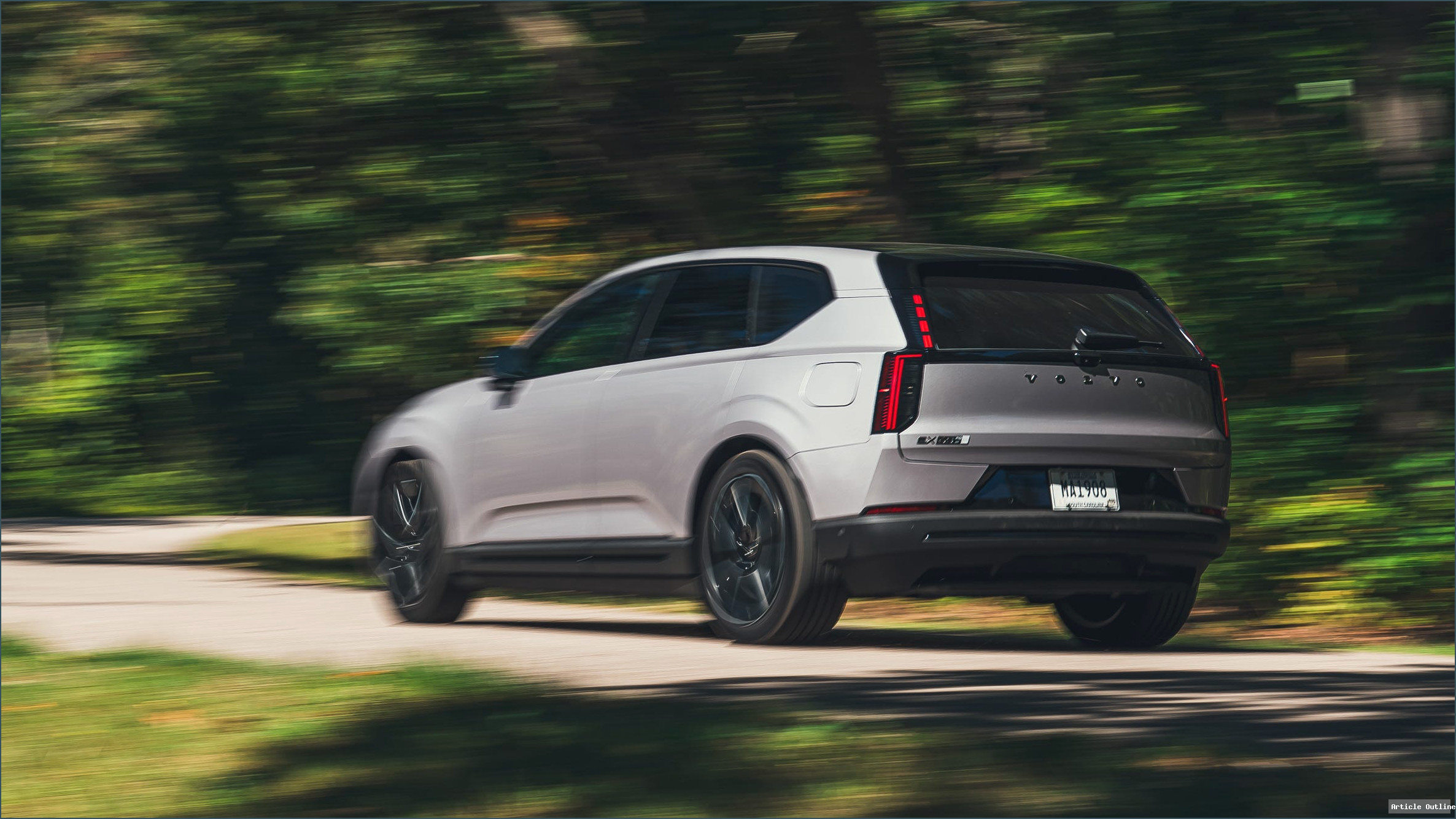
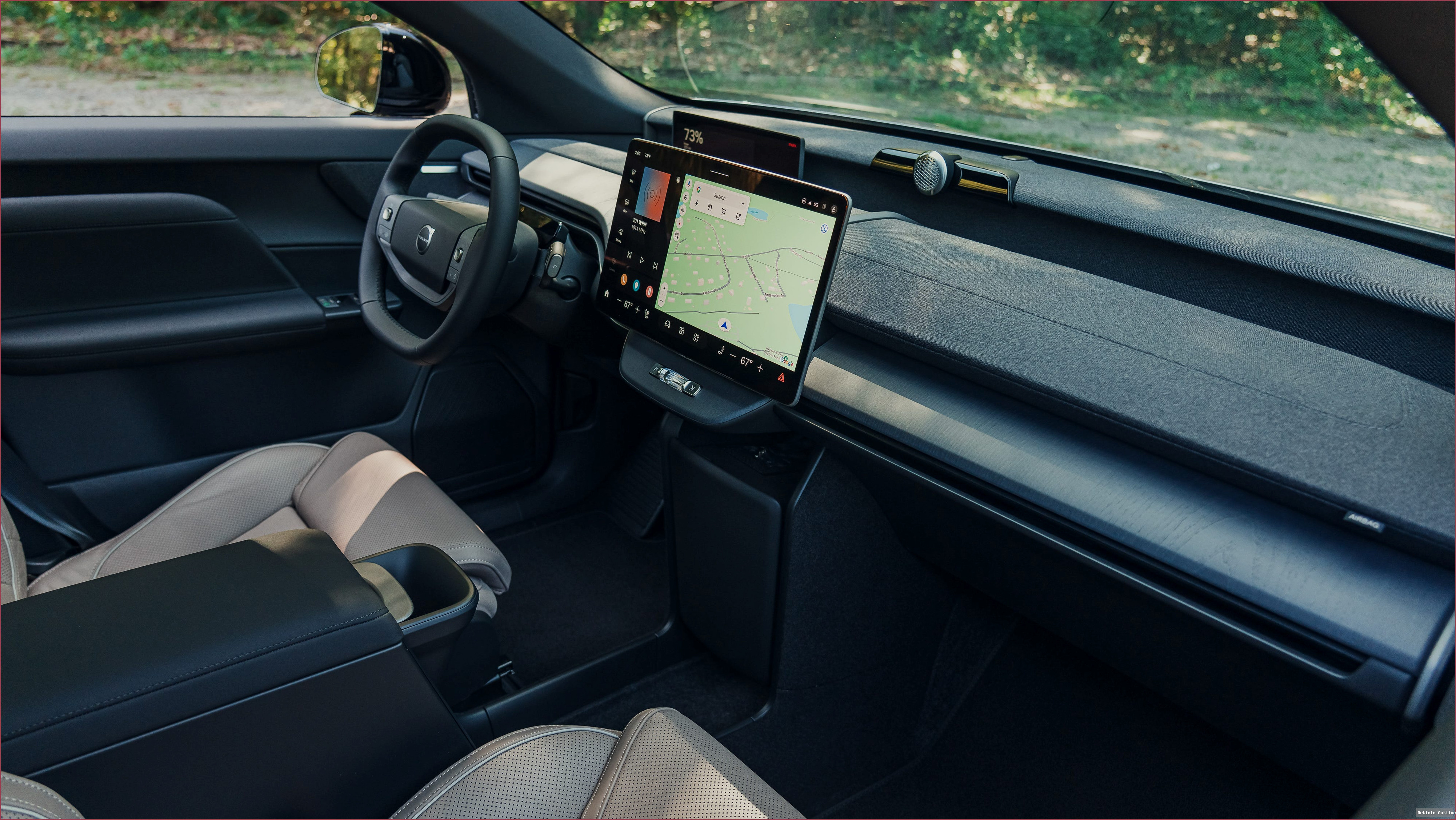
The much-anticipated Volvo EX60 was supposed to be the brand’s all-electric answer to the wildly popular XC60, marking a bold step forward in Volvo’s electrification journey. Yet, a combination of cutting-edge manufacturing challenges and ambitious output targets has left the U.S. market facing a lengthy drought—most EX60s won’t arrive until late 2027. But what’s really at stake here goes far beyond just another delayed car launch.
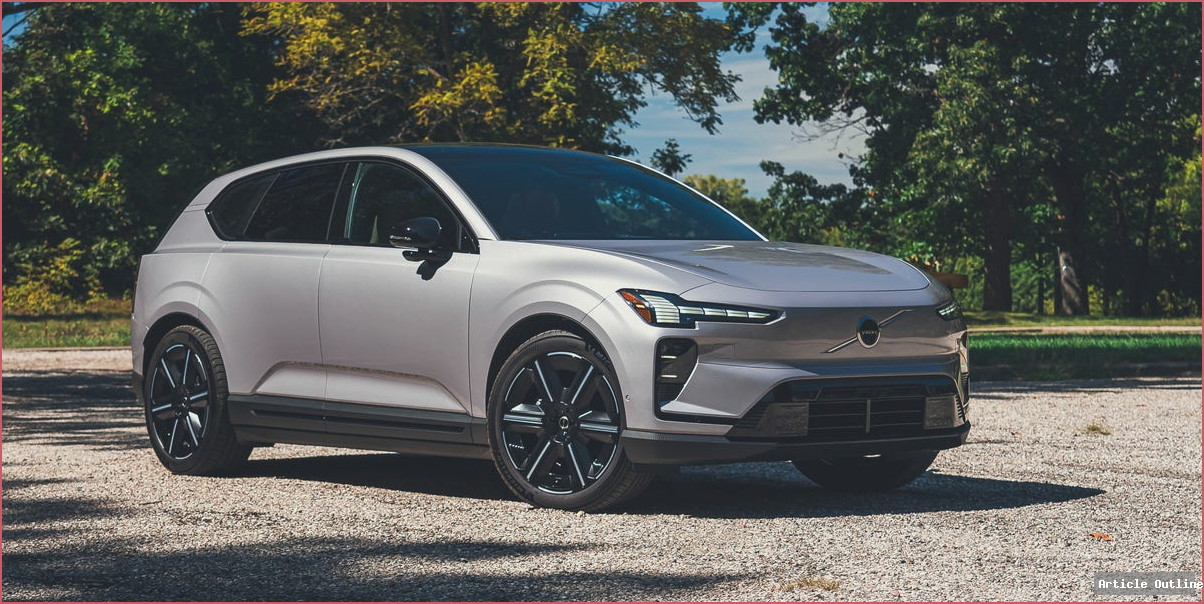
Why This Matters
- Volvo’s American ambitions are on the line. The brand set a lofty goal: 200,000 annual U.S. sales by 2030. The EX60, positioned as the next big hit, was essential to that plan. With most deliveries delayed until late 2027, this target is suddenly looking less attainable.
- The EV production learning curve is real. Volvo isn’t just building a new car; they’re pioneering new manufacturing techniques—megacasting and cell-to-body construction—that promise lighter, more efficient vehicles. But innovation comes at a cost: their output is reportedly one-tenth of the original target right now.
- Consumer patience is wearing thin. With U.S. buyers already skittish about EV wait times (remember the Rivian and Tesla Model X delays?), this hiccup could sway would-be Volvo customers toward other luxury EVs.
What Most People Miss
- While headlines focus on the delays, the real story is the risk of cutting-edge manufacturing. Megacasting (think: fewer, larger parts for the car’s structure) and cell-to-body battery integration are the future for many automakers, not just Volvo. This is the same technology Tesla is betting big on for its next-gen models.
- Europe gets first dibs on the limited EX60 production, meaning U.S. consumers are at the back of the line. Volvo is prioritizing its home market, a trend we’ve seen before when automakers face supply constraints.
- The EX60’s combustion sibling, the XC60, remains a sales juggernaut, but Volvo’s recent axing of the smaller EX40 EV in the U.S. shows just how high the stakes are for the company’s electric future here.
Key Takeaways
- If you want a 2027 EX60, get in line—fast. A handful have landed stateside, but most buyers will wait until late 2027. Expect markups and fierce competition for the early arrivals.
- Volvo’s production woes aren’t unique. Other automakers (Ford, GM, even Tesla) have struggled with new EV manufacturing approaches. The transition from prototype to mass production is always bumpy—Volvo’s just happens to be more public.
- This delay could be a blessing in disguise. By the time the EX60 arrives en masse, charging infrastructure, battery tech, and consumer familiarity with EVs will all be better. Early adopters face more headaches, but later buyers may get a more refined product.
Industry Context & Comparisons
- Megacasting—pioneered by Tesla—reduces cost and complexity but is notoriously challenging to scale. Volvo’s struggles mirror those faced by industry leaders.
- Luxury EV SUV market is crowded, with the BMW iX, Mercedes EQE SUV, and Tesla Model Y already vying for U.S. dollars. Every delay risks losing market share to these established players.
- Production targets: Volvo aimed for 2,000 EX60s per week, but is reportedly making just 200. That’s a 90% shortfall, underscoring just how difficult this transition is.
“Rather than software or quality issues, which have plagued some of Volvo’s other EV launches in the past, the EX60’s problem is said to lie in brand-new manufacturing methods.”
Timeline of Events
- January 2027: EX60 revealed, order books open.
- Early 2027: A few EX60s trickle into the U.S.
- Rest of 2027: Europe prioritized; U.S. shipments largely paused.
- Late 2027: Substantial EX60 U.S. deliveries projected.
Pros & Cons of This Situation
- Pros: EX60 will likely be more refined upon wider release; Volvo gains valuable manufacturing experience; U.S. buyers could benefit from improved EV infrastructure by 2027.
- Cons: Lost sales momentum; potential loss of customers to rival brands; risk of being late to the EV party as competitors surge ahead.
The Bottom Line
The EX60’s delay is more than a production hiccup—it’s a test case for the entire industry’s EV transition. Volvo’s gamble on next-gen manufacturing may pay off in the long run, but in the short term, U.S. customers will need patience—and perhaps a backup plan. If you’re set on an EX60, act now or prepare for a 2027 delivery date. For Volvo, it’s a high-stakes game with no guaranteed winners.

Sources: