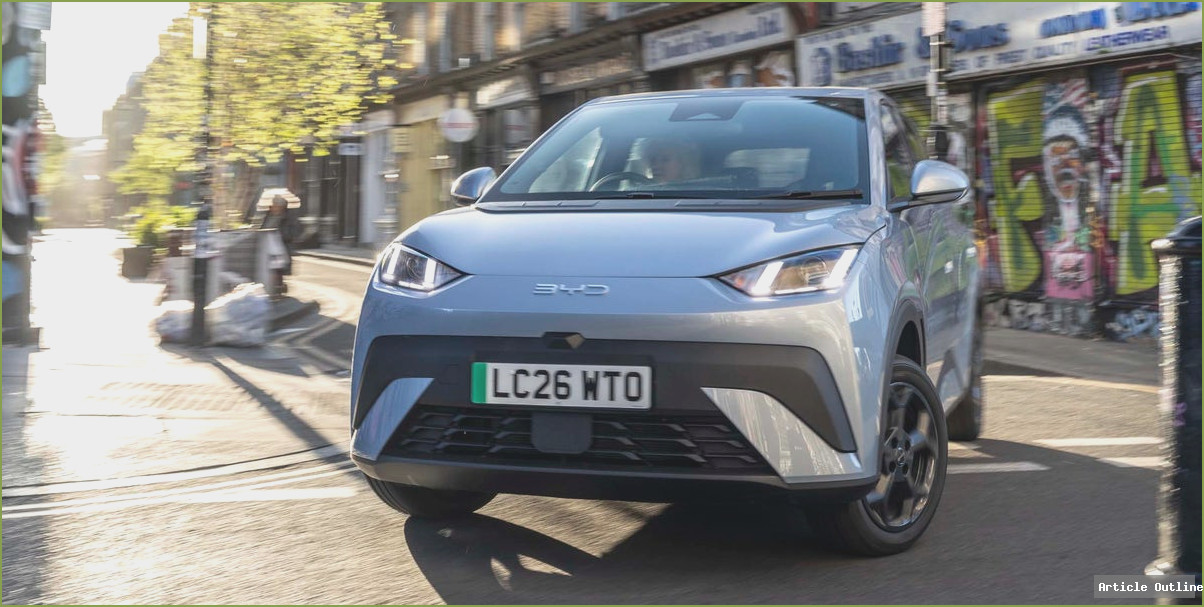
The recent move by Congress to introduce the Connected Vehicle Security Act—a bipartisan bill aimed at permanently banning Chinese vehicles from U.S. roads—has far-reaching implications that stretch well beyond car dealerships. This legislation is less about market protectionism and more about the intersection of national security, technology, and global manufacturing competition.
Why This Matters
- National Security and Data Sovereignty: Modern cars are rolling computers, loaded with connectivity software capable of collecting copious amounts of data. The fear? Foreign-developed software in Chinese vehicles could become a backdoor for data leaks or cyber-espionage. In a world where data is power, letting rival nations have a pipeline straight into American infrastructure is a legitimate concern.
- Economic and Manufacturing Impact: The legislation underscores a growing anxiety about the future of American auto manufacturing jobs, especially as Chinese automakers like BYD and Geely make aggressive moves in Europe and Latin America. The U.S. is drawing a line in the sand to prevent a repeat of what Japanese automakers did to Detroit in the 1980s—but this time, the threat comes with a heavy dose of software and connectivity.
What Most People Miss
- It’s Not Just About China: The bill targets all ‘foreign adversary countries,’ including Russia, North Korea, and Iran. This sets a precedent for how the U.S. will treat connected vehicles from any nation deemed a security threat.
- The Software Is the Real Battleground: Many assume the ban is about physical cars, but the heart of the legislation is the software—the brains behind the car. Even a Ford or GM with Chinese-developed connectivity tech could be in the crosshairs.
- Codifying Executive Orders: Previous restrictions came via executive order (Biden, January 2025). This bill seeks to make those restrictions permanent law, immune to the political winds of future administrations.
Key Takeaways
- Bipartisan Support: Both Michigan Republicans and Democrats are united—an increasingly rare sight—showing how serious the threat is perceived.
- Global Trend: The U.S. isn’t alone. The EU and Australia are also scrutinizing Chinese EVs and software, signaling a global shift toward digital sovereignty.
- Potential Trade Wars: The move will almost certainly fuel tensions with China, which has already criticized the bill as ‘overstretching national security.’
Timeline of Key Events
- January 2025: President Biden signs an executive order restricting Chinese connected vehicles.
- April 28, 2026: Lawmakers urge President Trump in an open letter not to lower barriers for Chinese cars.
- May 11, 2026: Connected Vehicle Security Act introduced in Congress.
- Companion bill introduced in the Senate by bipartisan group.
Pros and Cons Analysis
- Pros:
- Strengthens national security and data privacy
- Protects domestic auto industry and jobs
- Provides regulatory clarity for automakers
- Cons:
- Potentially higher car prices with less competition
- Escalates U.S.-China trade tensions
- May limit consumer choice
Expert Commentary
“Chinese smart vehicles present a clear national security threat.” – Rep. John Moolenaar, bill co-sponsor
“Any effort to lower barriers for Chinese automobiles… would pose a direct threat to American manufacturing, workers, and national security.” – Rep. Debbie Dingell in an open letter to President Trump
China’s embassy calls the move an overreaction, but for U.S. policymakers, the combination of data, software, and global manufacturing stakes make this more than just another tariff spat.
The Bottom Line
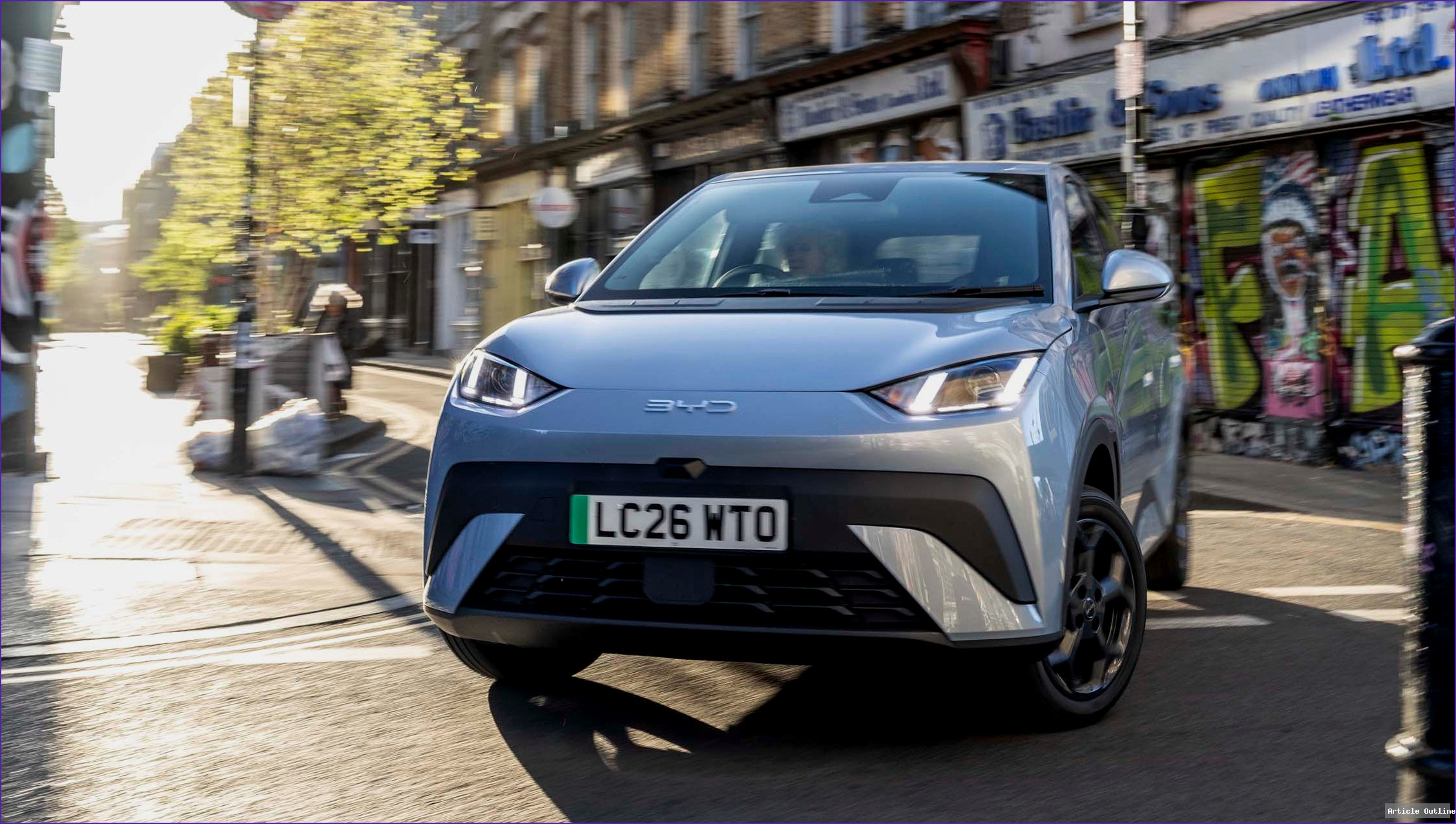
This bill is about more than just cars. It’s about who controls the data pipelines in an increasingly digital world—and who sets the rules for tomorrow’s connected economy. The outcome here could set the tone for future tech battles, not just in autos, but in everything from smart homes to AI-driven infrastructure. If you care about data privacy, economic security, or just the price of your next car, keep your eyes on this one.