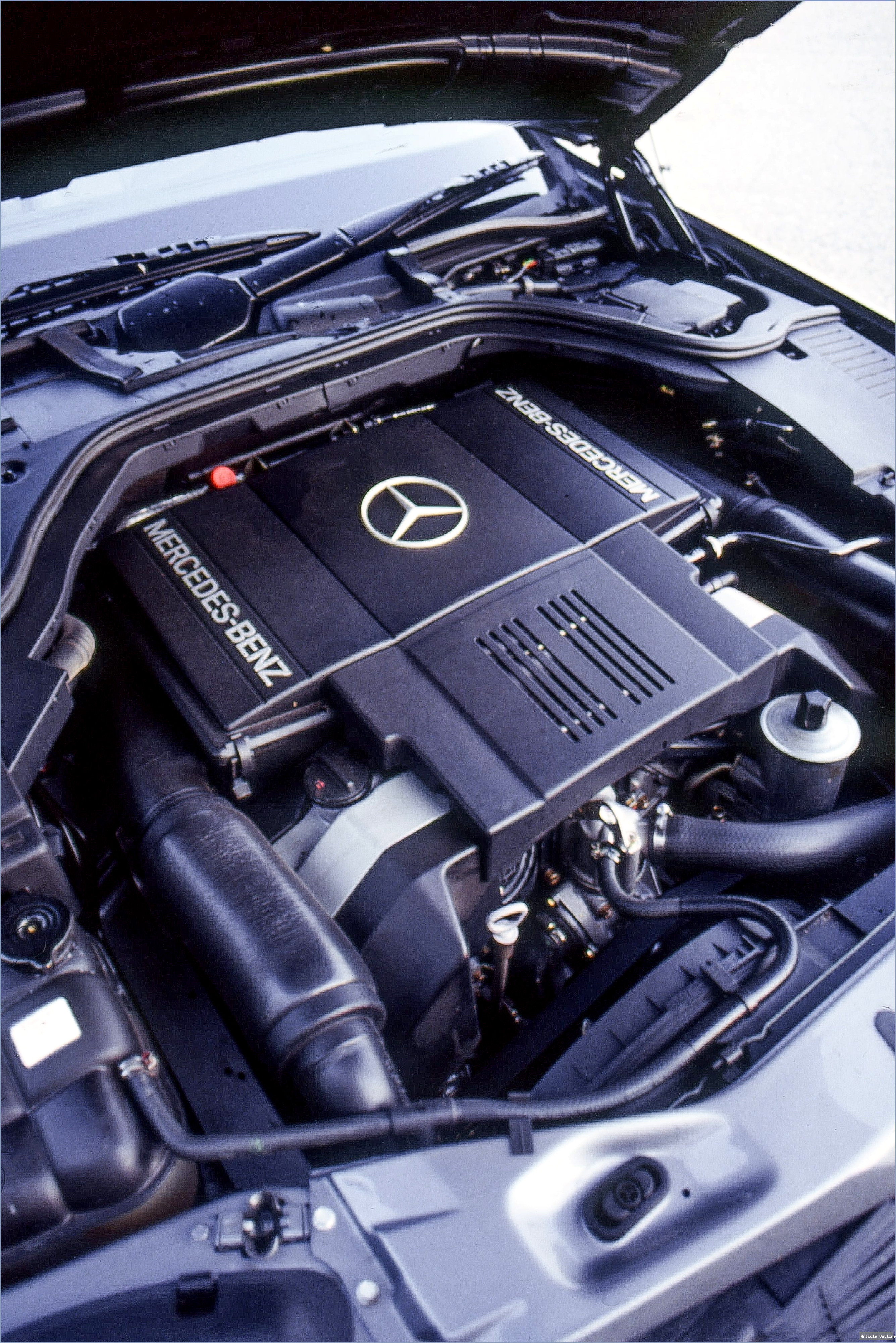
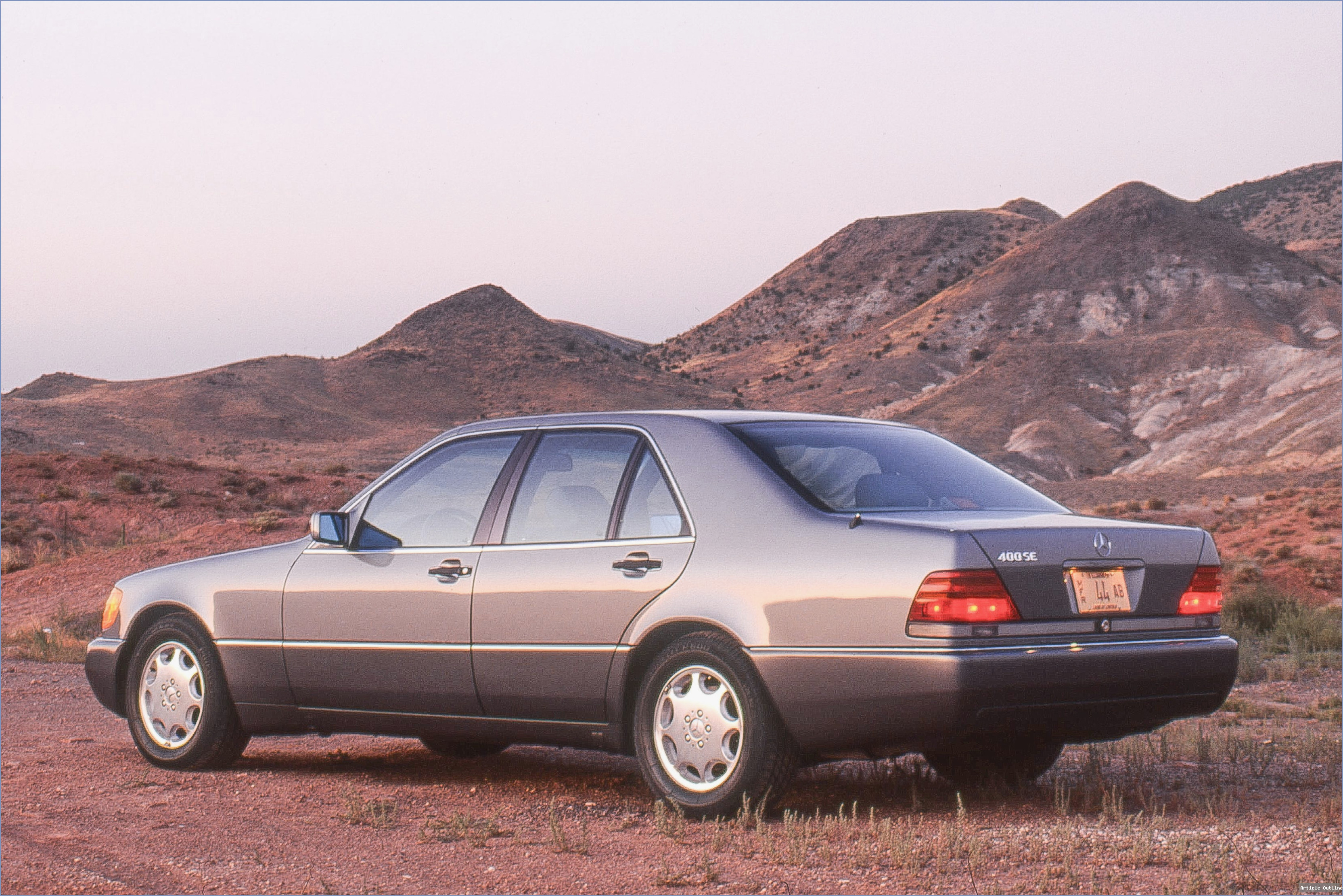
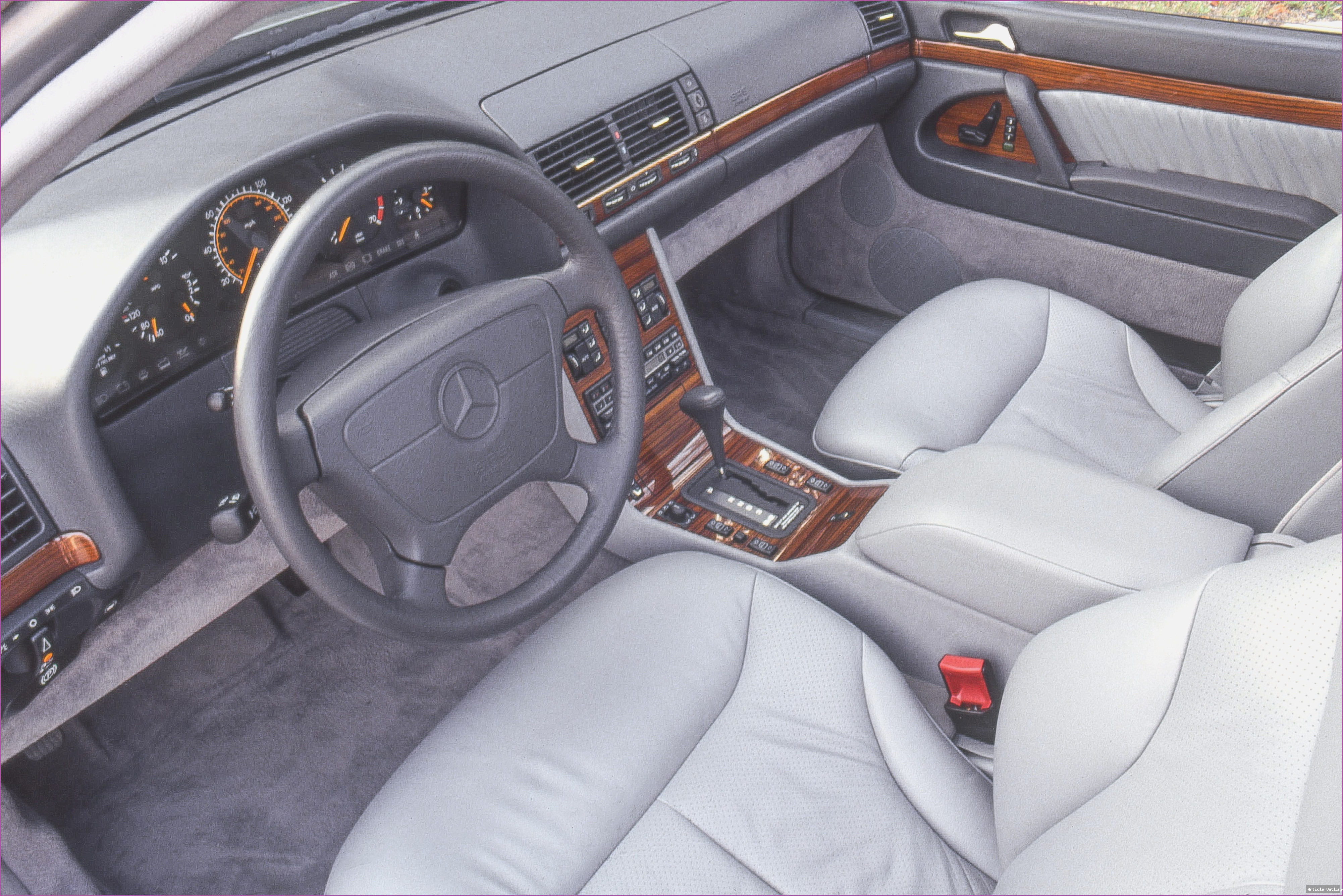
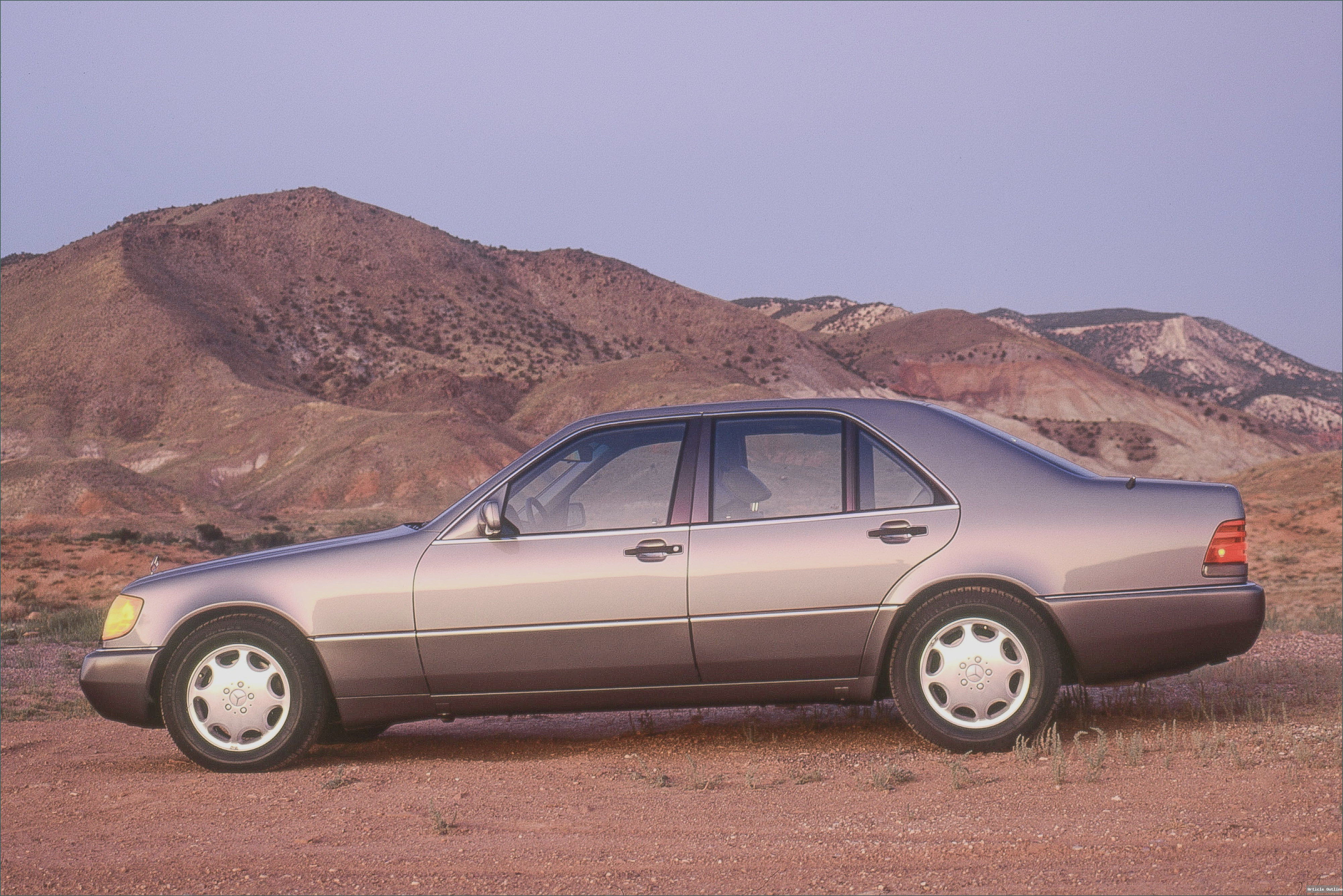
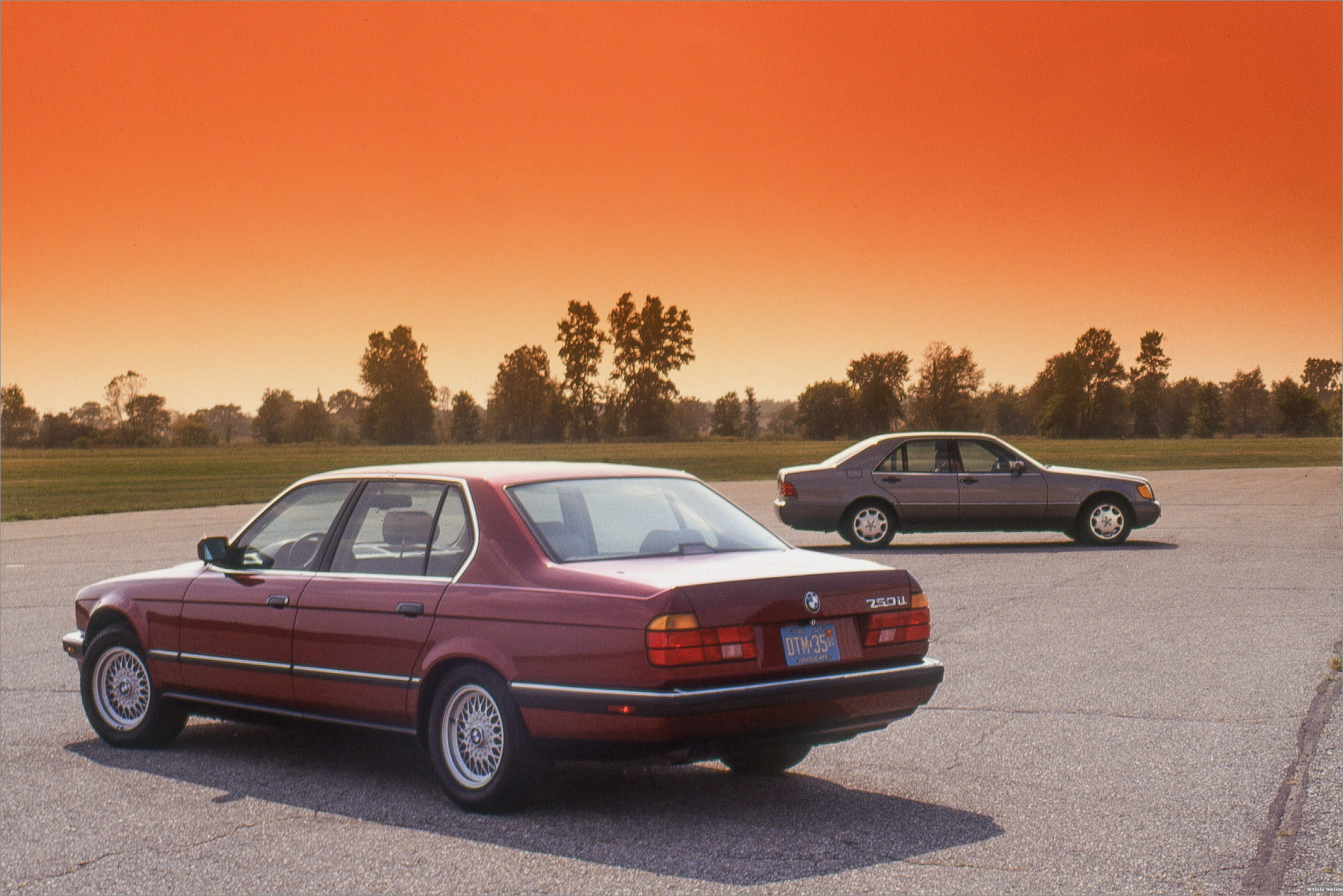
The 1992 Mercedes-Benz 400SE wasn’t just a luxury sedan—it was a rolling statement about what was possible (and in some ways, excessive) in automotive engineering at the dawn of the ‘90s. While most classic car tests focus on the plush seats, silky V8, and stratospheric price tag, there’s much more beneath the polished veneer of this S-Class. Let’s dig deeper and find out why this car still matters, what everyone overlooks, and how it stacks up in the pantheon of luxury sedans.

Why This Matters
- The 400SE set the benchmark for what luxury could (and arguably should) be in the early ‘90s. It was a technological tour de force—think dual-spring seatbelt retractors, power door closers, and advanced (for the era) remote locking systems that changed codes with every use.
- Its unapologetic size and weight reflected a mindset before fuel economy and environmental impact became top priorities. The 400SE’s nearly 4800-pound curb weight was a flex of Mercedes’ engineering confidence, but also a warning shot of the ‘90s excess that would soon face scrutiny.
- The car’s price tag ($86k+ in 1992, over $180k today adjusted for inflation) signaled a new era where luxury and technology could command supercar money—even if the performance wasn’t quite supercar grade.
What Most People Miss
- Mercedes’ approach to comfort and safety in the 400SE wasn’t just about features, but isolation. Double-paned glass, rubber-isolated subframes, and an ultra-quiet cabin created a “bubble” effect—a precursor to the ultra-luxe, near-silent EV cabins we see today.
- Despite its opulence, the 400SE was an early battleground in the German luxury war. It was forced to go head-to-head with the BMW 750iL, Lexus LS400, Infiniti Q45, and Cadillac’s best—not just on comfort, but on technology, handling, and brand prestige.
- The ergonomic quirks and overwhelming complexity of controls foreshadowed a growing issue in luxury cars: technology overload. While the Lexus and Infiniti focused on intuitive ease, the Mercedes demanded its owners learn a new language—something that still divides car buyers today.
Key Takeaways & Analysis
- Performance vs. Luxury: The 400SE’s 282-hp V8 delivered a 0-60 time of 7.7 seconds—not slow by any means, but the BMW 750iL was quicker, lighter, and felt sportier. Still, the Mercedes offered a sense of invulnerability and serenity unmatched by rivals.
- Cost of Opulence: At nearly $91k as-tested, you were paying for more than just leather and wood. The S-Class was a showcase of Mercedes’ engineering prowess, but also a symbol of 1990s extravagance.
- Driving Experience: The ride was sublime, but the handling reminded you constantly of the car’s mass. The BMW 750iL (and even the Infiniti Q45) felt more agile and engaging. Mercedes’ luxury was about effortless motion—less about corner carving, more about floating above the chaos.
- Efficiency? Not so much: The EPA rating of 13/17 mpg (17 mpg observed) feels almost shocking today, reflecting a time before fuel efficiency and climate consciousness reshaped the segment.
Comparisons & Industry Context
- In the early ‘90s, Japanese luxury brands were redefining the segment—Lexus with quiet efficiency, Infiniti with value and tech, while Cadillac and Lincoln clung to size and tradition. The 400SE chose to double down on traditional Mercedes strengths: build quality, presence, and a fortress-like feel.
- The BMW 750iL was the true driver’s luxury sedan—lighter, quicker, and arguably more balanced. In a direct head-to-head, the BMW edged out the Mercedes in driving dynamics, features, and value, but the S-Class held its ground on comfort and prestige.
Pros and Cons: 1992 Mercedes-Benz 400SE
- Pros:
- Unmatched ride comfort and cabin isolation
- Legendary build quality and presence
- Advanced safety and luxury features for its time
- Impressive acceleration and top speed for a luxury sedan
- Cons:
- Hefty curb weight and size make it less agile
- Complex, sometimes unintuitive controls
- Sky-high price (even before options)
- Thirsty V8—poor fuel economy by today’s standards
- Competitors like the BMW 750iL and Lexus LS400 offered compelling alternatives
Timeline: S-Class Evolution to the 400SE
- 1979: W126 S-Class launches, defining ‘80s luxury
- 1991: W140 S-Class debuts, introducing the 400SE—the most advanced S-Class yet
- 1992: 400SE tested—pushed boundaries of size, weight, and technology
- Mid-1990s: Lexus, BMW, and Infiniti force Mercedes to rethink priorities, leading to future S-Class models that balance tech and efficiency
The Bottom Line
The 1992 Mercedes-Benz 400SE is more than a luxury car—it’s a time capsule from an era when engineering ambition was measured in pounds, decibels, and dollars. Today, it stands as both a monument to what luxury once meant and a cautionary tale about the perils of excess. If you want a taste of automotive overkill, in the best possible way, there’s still nothing quite like a W140 S-Class.

Sources:
- Source
- 1990 Luxury Sedan Comparison Test
- BMW 750iL vs. Mercedes-Benz 560SEL, Lexus LS400, Bentley Turbo R