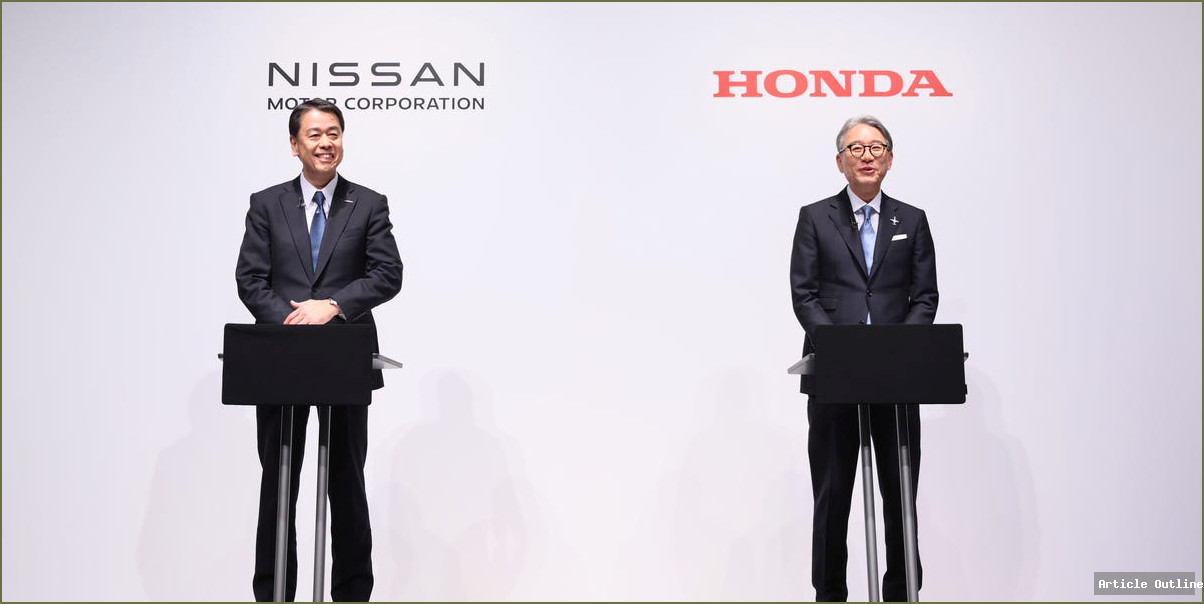
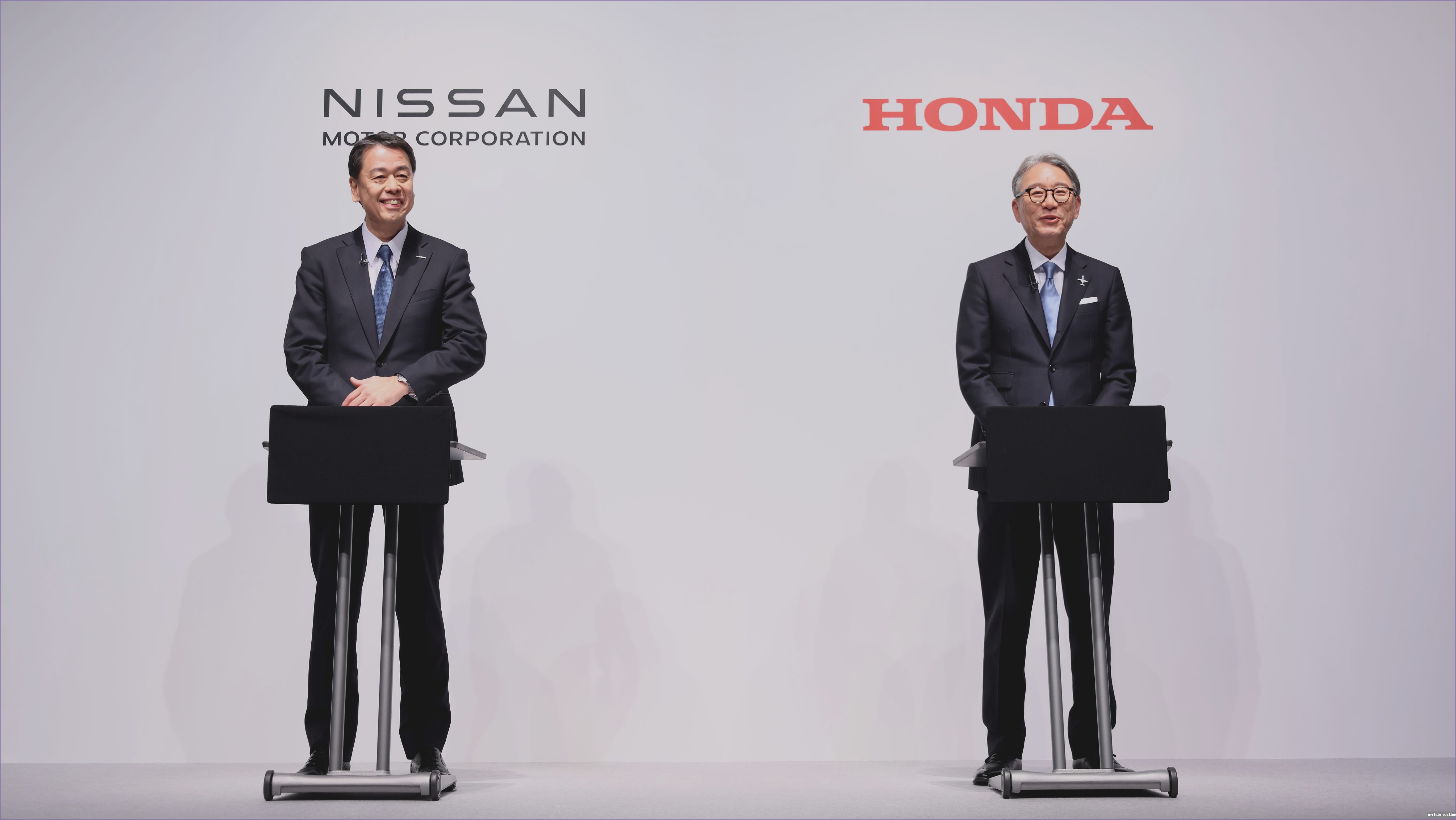
Two of Japan’s automotive titans—Nissan and Honda—have just announced a strategic alliance to jointly develop software and electronic control units (ECUs) for the next generation of vehicles. While a full-scale merger between the companies fizzled earlier this year, this new software-centric partnership may have even broader implications for the future of mobility.
So, what makes this deal more than just another corporate handshake? Let’s dive into why this joint venture is a big deal—and what most people are overlooking.
Why This Matters
- Software-defined vehicles (SDVs) are the future of the automotive world. Traditional cars are ruled by hardware, but SDVs flip the script, putting software at the center of innovation.
- Global competition is heating up. Chinese automakers are rapidly pushing tech boundaries, outpacing established brands in areas like in-car connectivity and over-the-air updates. For Honda and Nissan, speed and efficiency are now survival skills.
- Standardization means scale. By combining efforts on ECUs and core software, both companies can reduce costs and accelerate product cycles, which is crucial as the industry pivots toward electrification and autonomy.
What Most People Miss
- This isn’t just about cost savings—it’s about ecosystem power. A common software platform could open the door to shared app marketplaces, cross-brand features, and seamless updates, much like Android and iOS did for smartphones.
- Japan’s automakers have lagged in the software race. Tesla, BYD, and even Volkswagen have poured billions into in-house software stacks. This move is a clear signal that Nissan and Honda realize the urgency of catching up.
- The 2029 timeline is both ambitious and risky. In five years, the pace of tech change means today’s plans can quickly become tomorrow’s antiques. The companies will need to stay nimble and adaptable.
Key Takeaways
- Partnership Focus: Joint development of ECUs, in-vehicle operating systems, middleware, and control software for SDVs.
- Rollout Target: New software-defined vehicles from both brands starting in fiscal year 2029.
- Strategic Advantage: Faster development, lower costs, and a better shot at remaining competitive in a tech-driven market.
Industry Context
- According to McKinsey, the automotive software market could reach $462 billion by 2030, up from $216 billion in 2022.
- Chinese automakers like BYD and NIO are outpacing legacy brands, launching new models with major software updates every 12-18 months.
- VW’s own software division, Cariad, has faced costly delays—proving how hard this transition can be, even for giants.
Expert Commentary
“In today’s auto industry, software isn’t just a feature—it’s the foundation. This partnership is less about a marriage of equals and more about mutual survival in a rapidly changing market.”
Timeline: Nissan-Honda Collaboration
- Late 2024: Nissan announces financial trouble and merger talks with Honda.
- February 2025: Merger plans are scrapped, but partnership discussions continue.
- August 31, 2025: Joint development agreement on ECUs and vehicle software signed.
- Fiscal Year 2029: First jointly-developed, software-defined vehicles expected to hit the market.
Pros and Cons
- Pros: Shared R&D costs, faster innovation, enhanced competitiveness, potential for shared ecosystem.
- Cons: Integration challenges, potential brand dilution, risk of technological obsolescence if timelines slip.
The Bottom Line
Nissan and Honda’s partnership signals a sea change for the Japanese auto industry. Instead of trying to outmuscle each other, they’re combining forces to tackle the biggest disruptor: software. The next four years will test their ability to deliver on this promise. If they succeed, expect a wave of smarter, more connected cars—and perhaps a new template for collaboration in an industry that’s being rewritten by code.