Jaguar Land Rover (JLR) shedding 4,000 jobs isn’t just another round of corporate belt-tightening—it’s a red flag for the entire European luxury car industry. The rise of the so-called ‘Temu Range Rover’ (Chery’s Jaecoo 7) in the UK, and the surge of other Chinese brands, marks a turning point. This isn’t about cheap knock-offs. It’s about fierce competition, technology leaps, and a fundamental shift in who leads the automotive future.
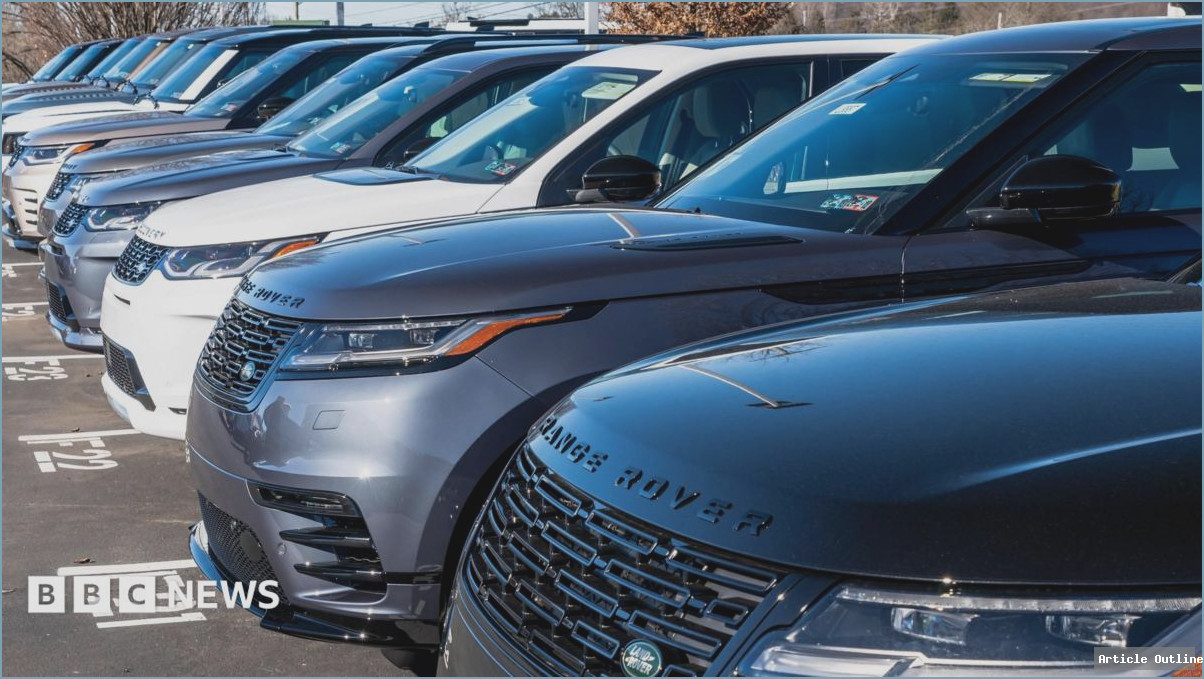
Let’s break down why this matters, what most observers are missing, and what the road ahead looks like for JLR and its European peers.
Why This Matters
- China is no longer just a market—it’s a global competitor. Once a promised land for western luxury automakers, China now produces its own high-tech, desirable vehicles—fast, and at scale.
- European brands’ old playbook is failing. Premium badges and legacy engineering don’t guarantee success, especially as Chinese firms undercut on price and outpace on EV tech.
- The wave is already here. The Jaecoo 7, nicknamed the ‘Temu Range Rover’, didn’t just make a blip—it became the UK’s third best-selling car in early 2024.
What Most People Miss
- It’s not just about electric vehicles—it’s about speed. Chinese automakers develop, test, and launch new models in a fraction of the time it takes established brands.
- Government backing is a force multiplier. Chinese carmakers benefit from aggressive state support, giving them an edge in R&D, production, and international expansion.
- Luxury is being redefined. Advanced tech, smart interiors, and competitive pricing are shifting what buyers expect from a ‘premium’ vehicle. The badge matters less than ever.
Key Takeaways
- JLR’s Chinese sales have cratered: From 146,000 in 2017 to just 62,400 last year—a drop of nearly 60%.
- The threat isn’t only local: Brands like BYD and Chery are aggressively targeting Europe and the UK—often with better value and fresher tech.
- Job cuts are symptomatic, not the cause: JLR’s layoffs mirror Volkswagen’s plans to axe 100,000 jobs by 2030, as traditional automakers scramble to stay relevant.
Industry Context: The Bigger Picture
- Chinese EVs are eating into global market share, not just in China but in Europe, Latin America, and beyond.
- European automakers have invested billions into electrification, but are still playing catch-up on affordability and speed to market.
- New luxury car taxes in China and a slowing economy compound the pain for legacy brands.
Pros and Cons: The Changing Landscape
- Pros for consumers: More choices, better tech, lower prices.
- Cons for legacy automakers: Shrinking margins, brand erosion, and job losses.
The Bottom Line
The rise of the ‘Temu Range Rover’ isn’t a one-off event—it’s a symbol of a seismic shift. JLR, and its European peers, must adapt or risk irrelevance. The real threat isn’t just job cuts or falling sales. It’s the possibility that the next generation of luxury vehicles won’t come from Europe at all, but from a rapidly innovating, tech-savvy China. The car badge wars of the 20th century are over; the technology and value wars of the 21st are just heating up.