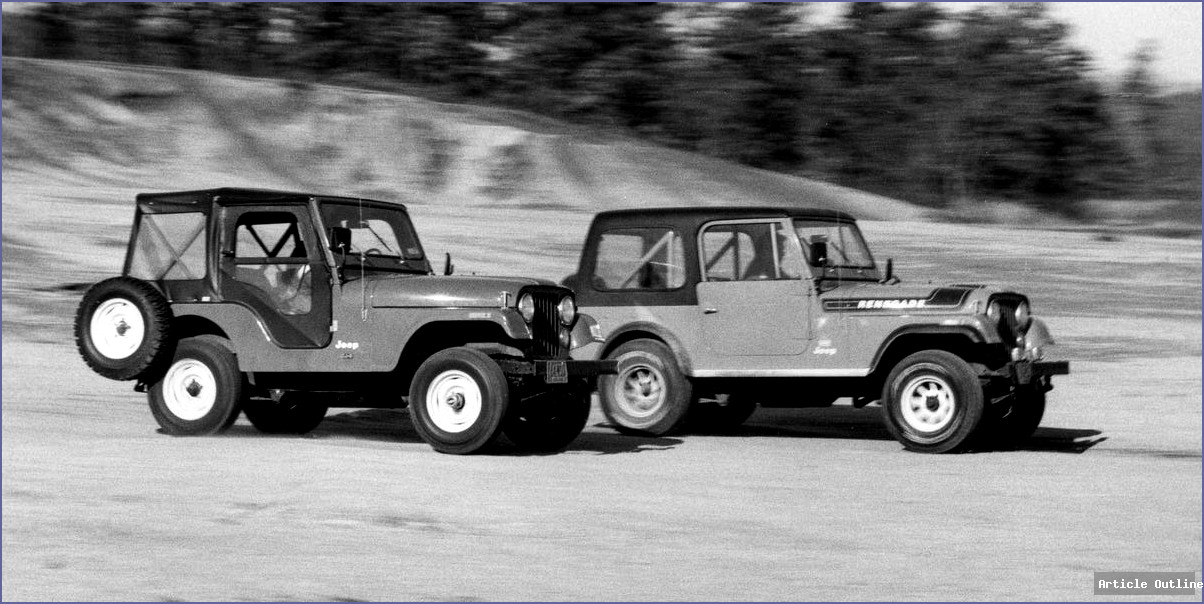
When you mention classic Jeeps, the CJ-5 and CJ-7 instantly command respect among off-roaders and car enthusiasts alike. But beyond their rugged looks and cult following, what do these iconic 1976 models really tell us about the evolution of utility vehicles—and why do they still stir strong opinions today?
Why This Matters
The CJ-5 and CJ-7 mark a pivotal moment in the story of the American SUV. These Jeeps are more than nostalgia—they are the blueprint for every off-roader and adventure vehicle that followed. Their design choices, performance quirks, and driving experience reveal how the battle between rugged utility and daily comfort shaped the SUVs we know today.
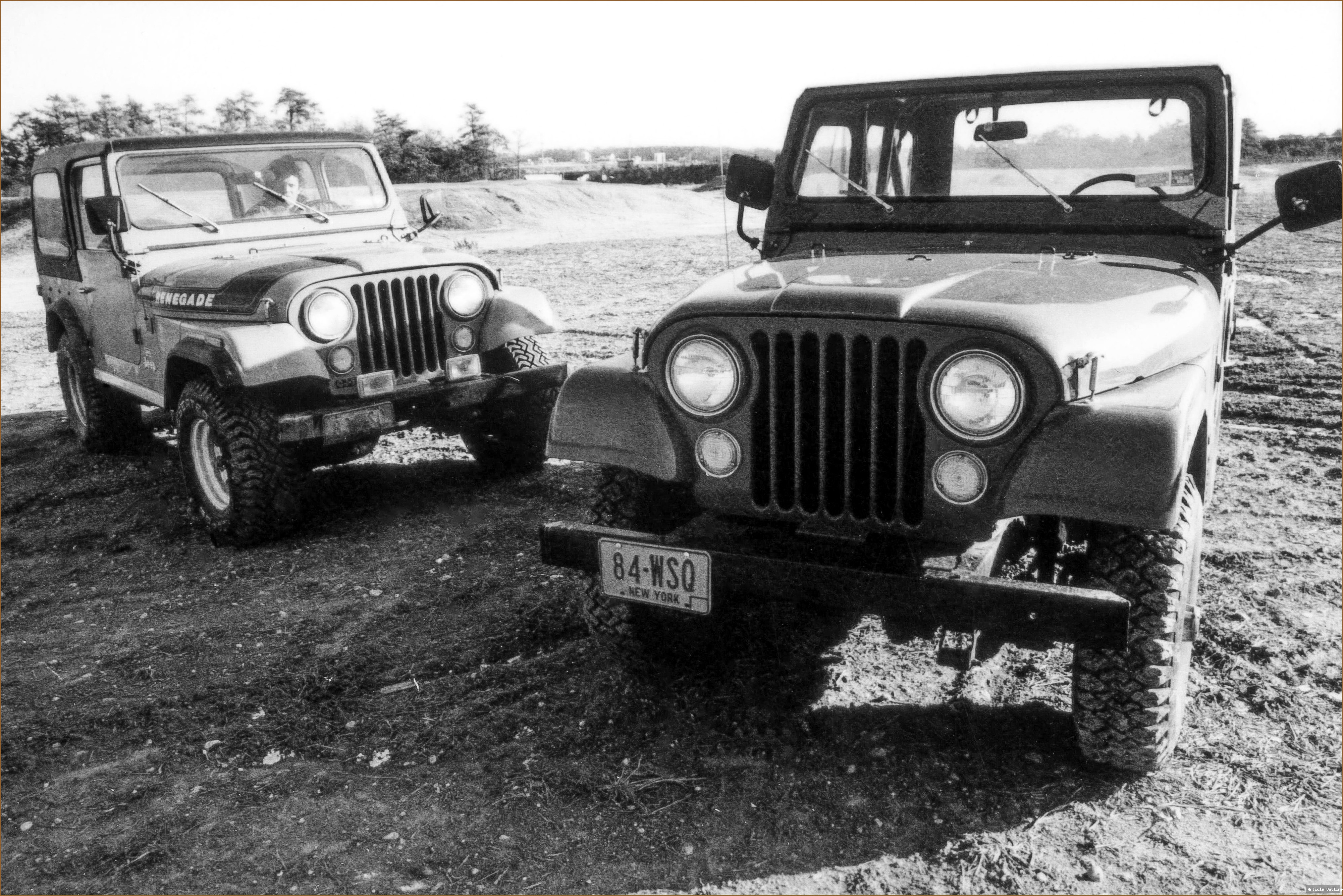
- Roots of the modern SUV: The CJ series set the DNA for brands chasing adventure cred—think Wrangler, Bronco, and even luxury off-roaders.
- Still relevant today: As the SUV market explodes, understanding these classics shows just how far (or not) we’ve come in balancing serious off-road chops with urban comfort.
What Most People Miss
The real story isn’t just about which Jeep is faster or tougher—it’s about the trade-offs that define automotive evolution. Enthusiasts often debate specs, but the emotional reality of living with these vehicles is often overlooked:
- Rawness as a virtue: The CJ-5, dubbed “the Penalty Box,” punished drivers with noise and a harsh ride—but off-road, it suddenly became supple and almost graceful. This Jekyll-and-Hyde transformation is something today’s plush SUVs can’t replicate.
- Innovation hidden in plain sight: The CJ-7 introduced Quadra-Trac full-time 4WD, pioneering tech you now find in everything from Subarus to Land Cruisers. The ability to tackle trails without fiddling with levers was revolutionary—yet most buyers focused on looks and badges.
- Influence on modern design: The longer CJ-7 chassis and improved ride directly foreshadowed the move toward more livable, versatile SUVs—think four-door Wranglers or even luxury off-roaders like the Range Rover.
Key Takeaways
- Performance vs. Comfort: The CJ-5 was the raw athlete—quicker, lighter, but a handful on the road. The CJ-7 traded a bit of agility for real-world usability, echoing the eternal sports car vs. GT debate.
- Purpose-built Machines: Both models required drivers to accept compromise: brilliant off-road, punishing on pavement. This philosophy is rare in today’s market, where SUVs often try to be everything to everyone.
- Iconic Simplicity: The exposed bolts, barn-door styling, and lack of luxury weren’t mistakes—they were statements. Jeeps wore their purpose on their sleeves, and buyers loved them for it.
Specs Showdown: CJ-5 vs. CJ-7 (1976)
- Engines: Both ran AMC’s 304ci V8 (150 hp, 245 lb-ft torque)
- Transmission: CJ-5: 3-speed manual; CJ-7: 3-speed automatic w/ Quadra-Trac
- Wheelbase: CJ-5: 83.5 in; CJ-7: 93.5 in
- Weight: CJ-5: 3,200 lbs; CJ-7: 3,835 lbs
- 0-60 mph: CJ-5: 8.5 sec; CJ-7: 11.2 sec
- Top speed: Both around 90 mph (but only if you’re brave!)
Timeline: The CJ Legacy
- 1944: The original CJ (Civilian Jeep) launches, born from WWII roots.
- 1954: CJ-5 debuts, sets the mold for decades of off-roaders.
- 1976: CJ-7 arrives, updating the formula for a new era.
- 1986: CJ series ends, but lives on as the Jeep Wrangler.
Pros and Cons Analysis
- CJ-5 Pros:
- Lightweight agility
- Classic minimalist design
- Raw, old-school off-road feel
- CJ-5 Cons:
- Harsh ride, deafening noise
- Limited comfort features
- Cramped for daily use
- CJ-7 Pros:
- More stable and comfortable
- Innovative Quadra-Trac 4WD
- Better for longer trips or families
- CJ-7 Cons:
- Heavier, slightly less nimble
- Still noisy and firm by modern standards
- Pricier when optioned up
Expert Commentary
“The CJ-5 and CJ-7 prove that pure function can be its own reward. They weren’t built to coddle—they were built to conquer. And in an era where SUVs too often play it safe, their uncompromising character is a breath of fresh air.”
Looking at the modern off-road market, it’s clear the legend of these Jeeps drives the design and marketing of today’s 4x4s. From Rubicons to Raptors, every ‘adventure SUV’ owes a debt to the CJ formula: simplicity, capability, and a willingness to get a little muddy.

The Bottom Line
If you wonder why Jeep still sells out every new Wrangler—or why so many SUVs are chasing credibility with ‘Trail Rated’ badges—the answer is in the DNA of the 1976 CJ-5 and CJ-7. These machines weren’t perfect, but they were authentic. In a world of crossovers built for mall parking lots, that authenticity is more valuable (and rare) than ever.