The 2027 Hyundai Santa Cruz isn’t just another quirky compact pickup—it’s the last of its breed. As Hyundai prepares to sunset this innovative vehicle at the close of the 2027 model year, there’s more at stake than just the end of a model run. Let’s break down why the Santa Cruz matters, what most people might be missing, and what you need to know if you want to snag one before it’s gone.
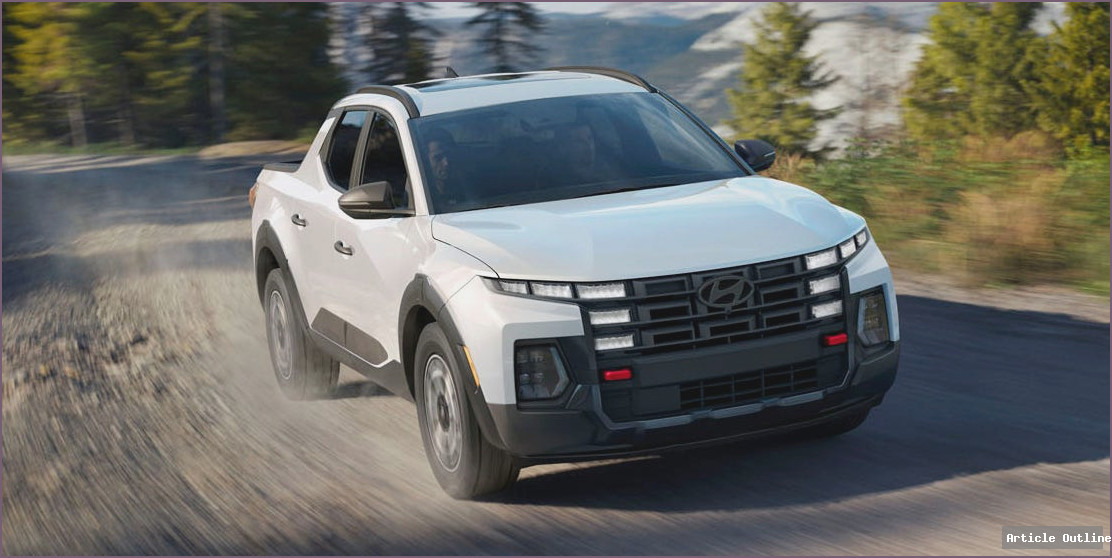
On the surface, the Santa Cruz is a marriage of SUV comfort and truck utility, but its real story is about challenging industry norms and filling a gap that traditional trucks and SUVs often leave wide open.

Why This Matters
- The Santa Cruz targets a fresh demographic—urbanites, weekend warriors, and practical homeowners who want cargo versatility without the bulk and ride penalty of a traditional pickup.
- Discontinuation signals a shift: Hyundai’s exit from the compact truck segment will leave buyers with fewer lifestyle-focused options, especially as Ford and Honda double down on their Maverick and Ridgeline lines.
- Potential for bargain pricing: With its discontinuation, dealers may offer aggressive discounts, making the Santa Cruz a compelling value proposition for those seeking a unique blend of style and function.
What Most People Miss
- Compact unibody trucks are thriving: Despite traditionalists scoffing at their car-like roots, sales data shows the Ford Maverick and Honda Ridgeline are hot commodities, especially among first-time truck buyers and downsizers.
- Santa Cruz’s interior punches above its weight: The cabin, with its upscale materials and tech (dual 12.3-inch screens, wireless smartphone integration), rivals more expensive SUVs. Many overlook just how refined and user-friendly it is compared to the more utilitarian competition.
- Real-world performance is strong: Turbo models hit 0-60 mph in a brisk 6.0 seconds—only a hair slower than the Ford Maverick Lobo. Plus, the Santa Cruz outperformed its EPA highway estimates in Car and Driver’s own testing (30 mpg at 75 mph), suggesting real-world efficiency may beat paper numbers.
Key Takeaways
- Two powertrains: Naturally aspirated 191-hp 2.5L (SE, SEL Activity) and a punchy 281-hp turbocharged 2.5L (XRT only).
- Towing: Up to 5,000 lbs on the turbo XRT—matching the Ridgeline and Maverick’s best.
- Fuel economy: 22/30/25 mpg city/highway/combined (base FWD); turbo AWD models see 18/25/20 mpg. The Ford Maverick Hybrid remains the efficiency champ with 42/35/35 mpg.
- Interior/cargo: Crew cab only, with a clever four-foot bed, in-bed trunk, and available lockable tonneau cover. 13 carry-ons fit with the rear seats down—impressive for the segment.
- Tech & safety: Standard 12.3-inch touchscreen, wireless Apple CarPlay/Android Auto, Hyundai Blue Link, and a robust safety suite including lane-keeping, blind-spot monitoring, and optional adaptive cruise control.
- Warranty: Industry-leading—5 years/60,000 miles bumper-to-bumper, 10 years/100,000 miles powertrain, and 3 years/36,000 miles complimentary maintenance.
Industry Context & Comparisons
- Unibody vs. Body-on-Frame: The Santa Cruz, like the Maverick and Ridgeline, rides on a unibody chassis, offering better ride and handling but less rugged off-road/trailering capability compared to traditional body-on-frame trucks like the Toyota Tacoma.
- Value Play: As the Santa Cruz bows out, the Ford Maverick will be the sole compact truck under $30K with hybrid options, while the Ridgeline targets a more premium buyer. The Santa Cruz’s likely discounts could make it a smart buy for value hunters.
Timeline: The Rise and Sunset of Santa Cruz
- 2022: Santa Cruz launches, targeting urban adventure and light-duty buyers.
- 2025-2026: Compact truck sales surge, led by Ford and Hyundai.
- 2027: Hyundai announces discontinuation at year’s end—potentially due to shifting strategy toward electrification and SUVs.
- 2028+: Remaining models become sought-after on the used market as distinctive alternatives to mainstream pickups.
Pros & Cons Analysis
- Pros:
- Standout styling and versatile truck bed
- Excellent ride quality and city maneuverability
- Upscale, tech-laden interior
- Best-in-class warranty
- Cons:
- Shorter cargo bed than traditional midsize trucks
- Base engine feels underpowered
- Discontinued after 2027—potential long-term parts/service concerns
The Bottom Line
The 2027 Hyundai Santa Cruz is more than a quirky experiment—it’s a symbol of automotive innovation for people who want a truck that fits their life, not the other way around. With its imminent discontinuation, the Santa Cruz is poised to become a cult favorite. If you crave SUV comfort with truck practicality and an unbeatable warranty, now may be your last, best chance to get a Santa Cruz—at a price that could make you smile all the way to the bank.