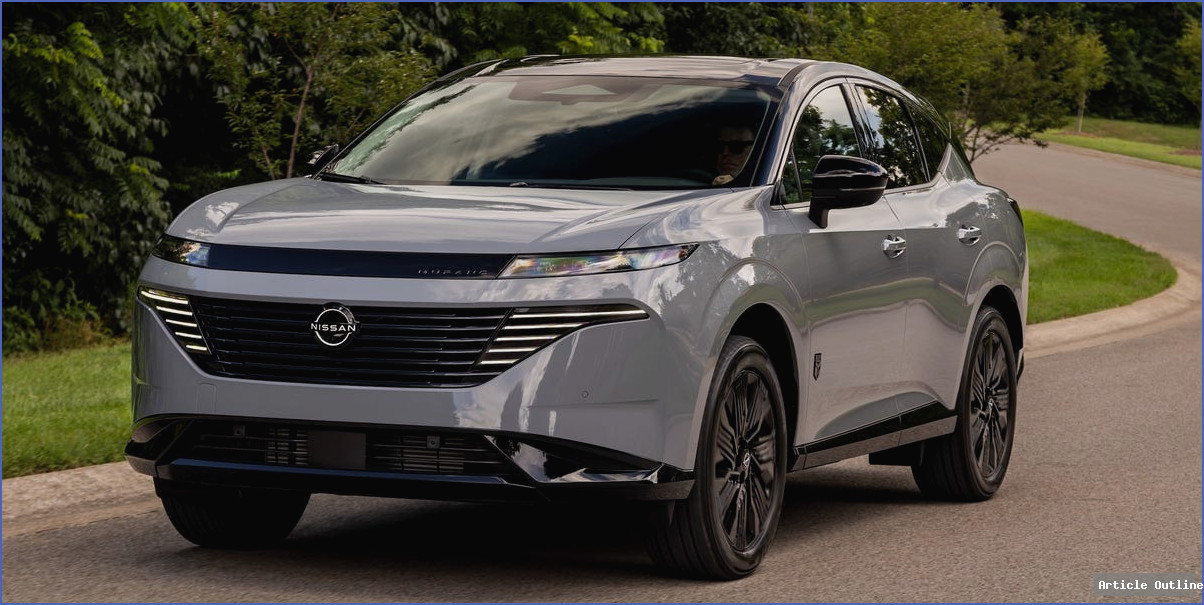
The 2027 Nissan Murano enters the market with a notable twist—dropping its base SV model and introducing a price hike that’s impossible to ignore. On the surface, it might look like Nissan simply wants more money for its mid-size SUV. But dig deeper, and you’ll find this move is about much more than just dollars and cents.
Let’s break down what’s really happening, why it matters, and what savvy buyers and auto industry watchers should take away from Nissan’s latest strategy.
Why This Matters
- The Murano’s repositioning reflects broader shifts in the SUV market—especially as automakers streamline lineups to focus on higher-margin, well-equipped trims.
- Rising entry-level prices signal a new reality for mainstream buyers, especially as affordable options disappear and even base models become more “premium” (and expensive).
- Nissan’s move suggests confidence in the Murano’s recent redesign, which doubled sales after years of stagnation, but also hints at strategic cost-cutting by removing features that aren’t deal-breakers for most buyers.
What Most People Miss
- The elimination of the SV trim means all 2027 Muranos are now all-wheel drive. This is a big deal for buyers in snowy regions, but it also removes a lower-cost, front-wheel-drive option for budget-conscious shoppers.
- SL trim loses some luxuries: panoramic sunroof, 10-speaker Bose stereo, and navigation. The price drop for SL ($2,770 less than last year) comes at the expense of these features—so the “cheaper” entry point isn’t quite the bargain it appears.
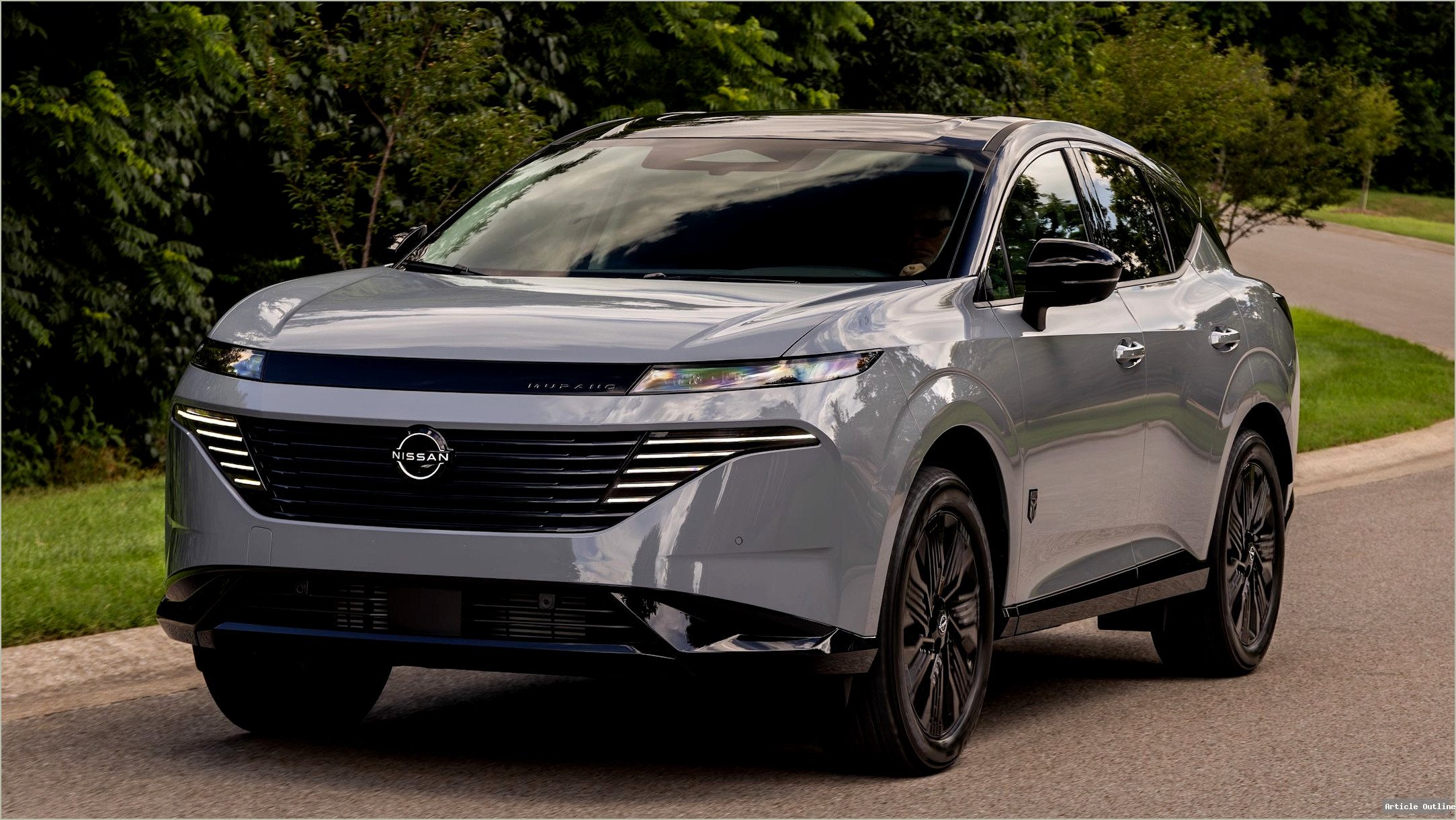
- New Dark Armor package is a bid for style-conscious buyers with gloss-black wheels and unique badging—a nod to the rising popularity of appearance-oriented SUV packages.
Key Takeaways
- Base price is up $2,320, now at $45,535 for the Murano SL. That’s a significant jump in a segment where price sensitivity matters.
- Murano sales rebounded massively after the 2025 redesign: from just 19,316 units in 2024 to 42,747 in 2025—a 120%+ growth.
- The new Dark Armor model starts at $48,535, while the Platinum trim is $51,335. Notably, the Platinum is only $10 less than last year, despite content changes further down the range.
Industry Context and Comparisons
- Murano’s mid-price move mirrors rivals: Ford Edge and Chevrolet Blazer have both lost lower trims in recent years, with their “base” models creeping above $40,000.
- Feature trade-offs are the new normal: Many brands are cutting built-in navigation and premium audio to nudge buyers toward connected services or aftermarket solutions.
- SUV buyers are paying more for less: According to Cox Automotive, the average new car price in the U.S. topped $48,000 in 2023—Nissan’s Murano is now right in the thick of that trend.
Pros and Cons for 2027 Murano Buyers
- Pros:
- Standard all-wheel drive across all trims
- Fresh styling with Dark Armor option for those who want to stand out
- Competitive pricing for upper trims versus luxury rivals
- Cons:
- Fewer standard features at the SL level
- No low-cost, front-wheel-drive entry point
- Potential sticker shock for returning Murano shoppers
Timeline: Recent Murano Milestones
- 2024: Murano sales at historic low (19,316 units).
- 2025: Major redesign sparks huge sales jump (42,747 units).
- 2027: SV trim dropped, SL becomes entry-level, Dark Armor trim introduced, all AWD lineup.
The Bottom Line
Nissan’s Murano is evolving to meet a changing market, but buyers will have to pay for the privilege. The loss of the base model and a higher starting price put the Murano at the heart of a broader trend: mainstream SUVs are getting more expensive, even as they shed features once considered standard. For buyers, this means shopping smart, comparing closely, and deciding which features matter most.