The 2027 Nissan Rogue Hybrid isn’t just a new face in the crowded hybrid SUV market—it’s a bold step into tomorrow’s driving experience. With its series-hybrid setup and a price tag starting at $37,065, Nissan’s latest Rogue is signaling a shift in how automakers approach efficiency, performance, and environmental responsibility.
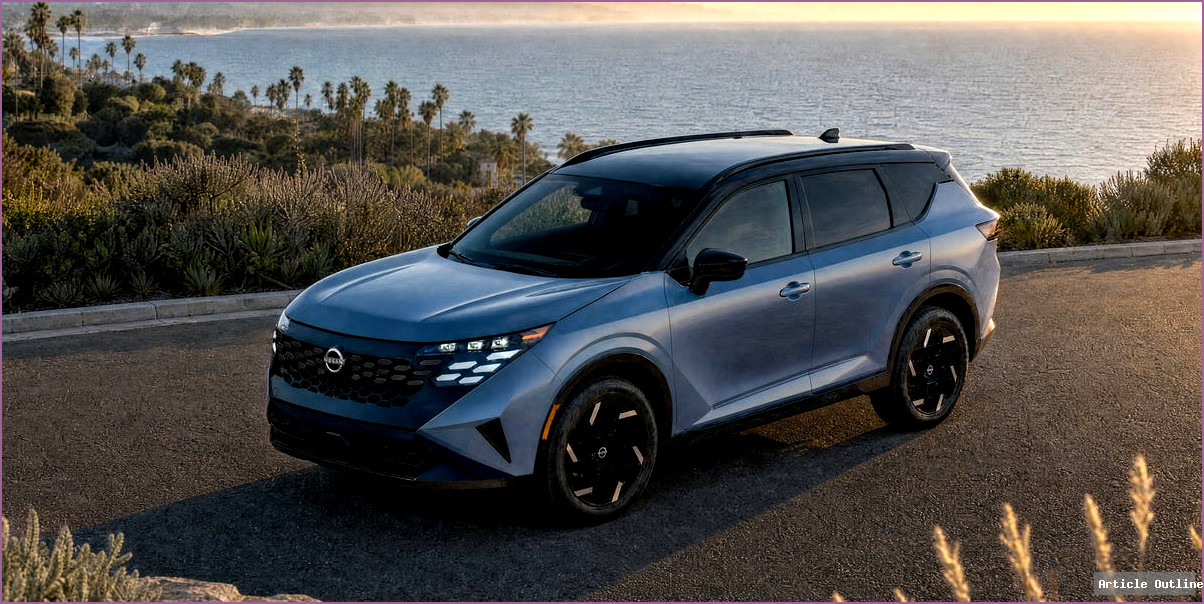
But there’s more under the hood (literally) than meets the eye. Let’s dig into what sets the 2027 Rogue Hybrid apart—and why you should actually care.
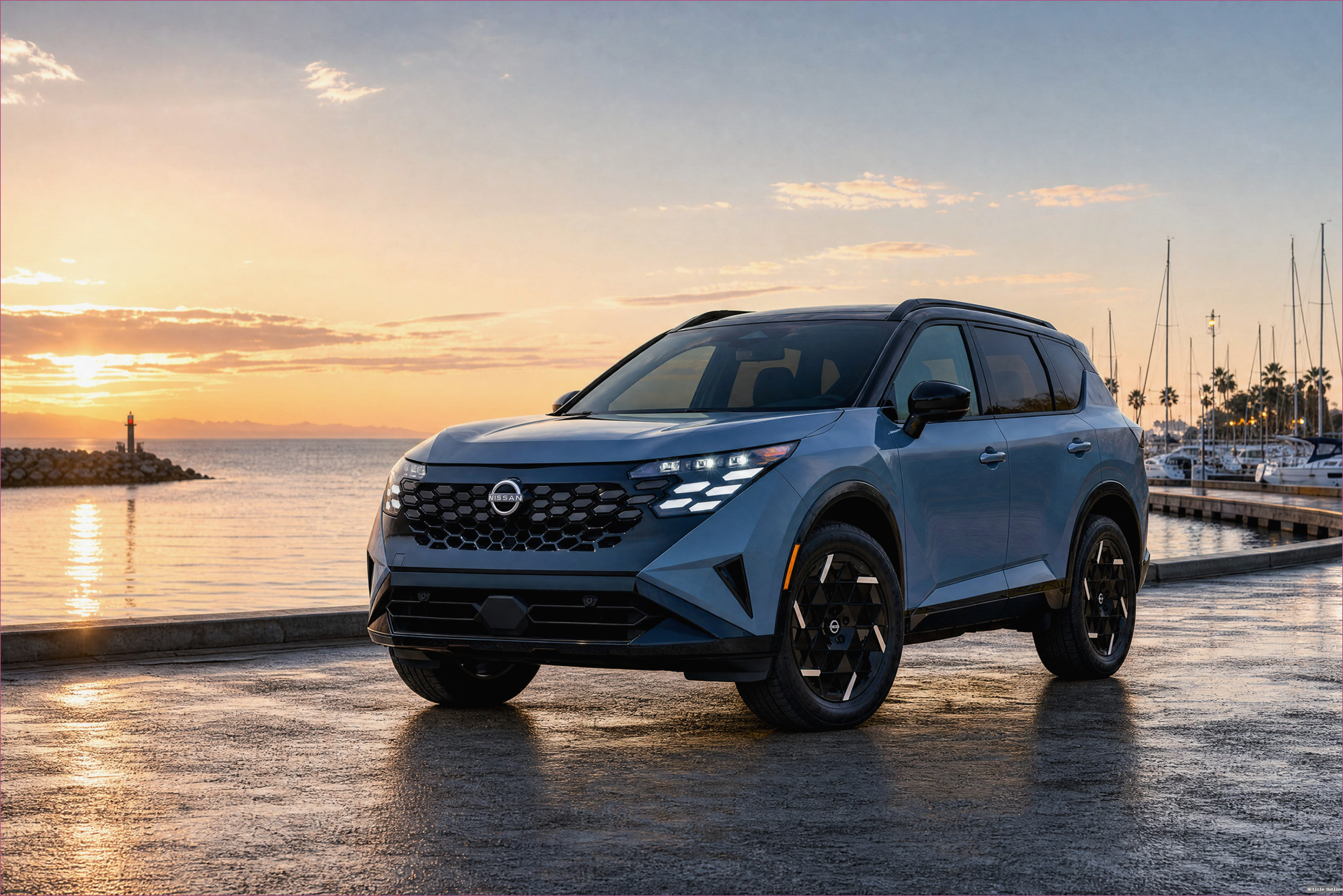
Why This Matters
- Nissan ditches the conventional hybrid formula for a pure series-hybrid setup—where the 1.5-liter turbo three-cylinder engine generates electricity, but never directly drives the wheels.
- This architecture blurs the line between hybrid and electric vehicle experiences, offering smoother, more responsive acceleration without range anxiety.
- With the hybrid SUV market projected to reach over $80 billion by 2030, Nissan’s innovation places it in a position to snatch market share from Toyota’s RAV4 Hybrid and Honda’s CR-V Hybrid.
What Most People Miss
- Most hybrids still rely on their gas engines for direct propulsion, but the Rogue’s series-hybrid design means you’re always driving electric. The engine only charges the battery—think of it like having a rolling generator on board.
- This setup reduces mechanical complexity and wear on the drivetrain, which could mean lower maintenance costs and potentially longer vehicle life.
- Yet, Nissan isn’t fully leaping into plug-in or battery-electric territory—offering the familiar comfort of gasoline backup for those not ready to go all-in on EVs.
Key Takeaways
- All trims—SR, SV, and Platinum—will arrive by early 2027, with the SR hitting roads first.
- Dual electric motors—one at each axle—hint at spirited AWD performance, making the Rogue Hybrid not just efficient, but also fun to drive.
- Starting price of $37,065 is competitive, especially given the tech on offer, but it sits above the current average for compact SUV hybrids ($33,000–$35,000).
- Expect real-world fuel economy to trump traditional Rogues, but official EPA numbers are still in the works.
Industry Context & Comparisons
- Toyota’s RAV4 Hybrid and Ford’s Escape Hybrid both use parallel or power-split systems—where the engine and electric motors can drive the wheels. Nissan’s series-hybrid is closer to what you’d see in the Nissan e-Power models in Japan and the Honda Clarity.
- Unlike plug-in hybrids (PHEVs), the Rogue Hybrid doesn’t offer significant electric-only range, but you never have to plug in—great for drivers with limited charging access.
- The move is a calculated risk: betting that American buyers will value the EV-like drive without the need to recharge. It’s a sweet spot for the EV-curious but infrastructure-cautious crowd.
Pros and Cons
| Pros | Cons |
|---|---|
|
|
Timeline: 2027 Nissan Rogue Hybrid Rollout
- Late 2026: SR trim arrives at dealerships
- January 2027: SV and Platinum trims hit the market
The Bottom Line
The 2027 Nissan Rogue Hybrid isn’t just another eco-friendly SUV—it’s a bold experiment in bridging the gap between traditional hybrids and EVs. For buyers overwhelmed by the EV transition but still craving innovation, the Rogue Hybrid’s series setup offers a taste of the future with all the safety of the present. It’s an exciting—if slightly unconventional—move that could push the entire industry to rethink what a hybrid can be.