The 2027 Toyota Sienna isn’t just another minivan update—it’s a quiet revolution on wheels. While the headlines might focus on a modest six-horsepower bump (up to 251 hp), the real story is about Toyota’s evolving approach to hybrid technology and minivan design.
Let’s peel back the layers and explore why this matters—not just for suburban families, but for the entire automotive market.
Why This Matters
- Minivans aren’t dead—they’re adapting. The Sienna is a showcase for how family haulers are staying relevant in a world obsessed with SUVs and electric crossovers.
- Toyota is doubling down on hybrid efficiency, not full electrification—for now. The move from a nickel-metal hydride battery to lithium-ion isn’t just technical; it’s a statement about reliability, cost, and incremental progress.
- A few mpg might seem minor, but in a segment where every drop of fuel matters, it adds up to real savings over years of school runs, road trips, and Costco runs.
What Most People Miss
- The Sienna’s 251-hp hybrid system isn’t about raw power—it’s about smoothness, efficiency, and long-term durability. Toyota’s hybrids have a reputation for outlasting the competition, and the new lithium-ion battery should further reduce maintenance headaches.
- Lithium-ion batteries mean lighter weight and more usable cargo space, without the cooling compromises of older battery tech. This benefits not just fuel economy, but also the everyday usability families care about.
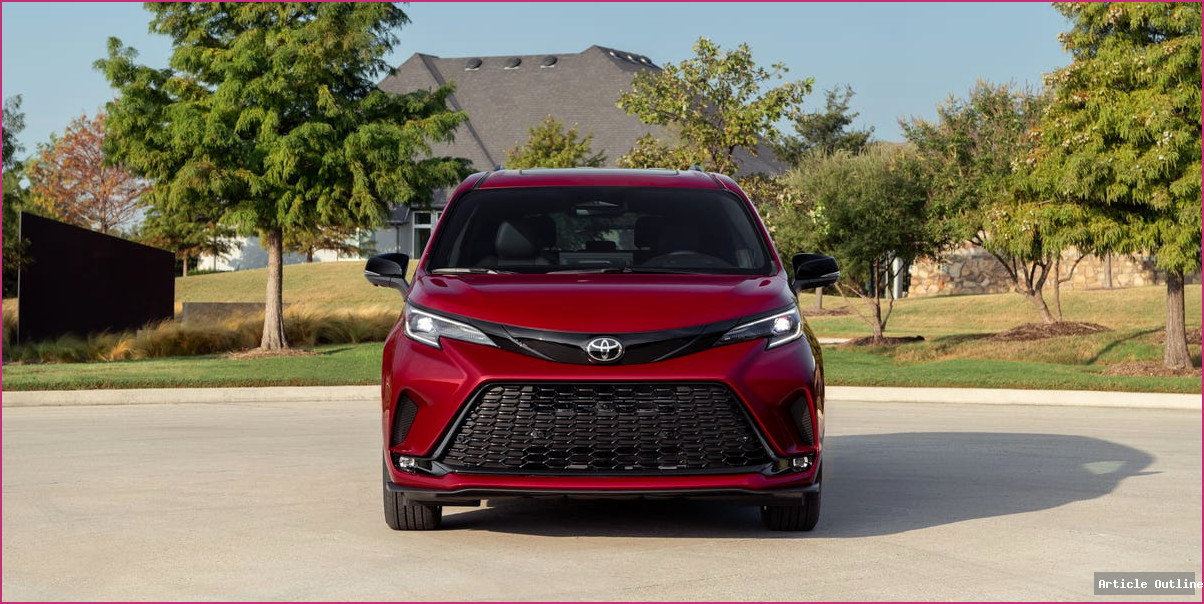
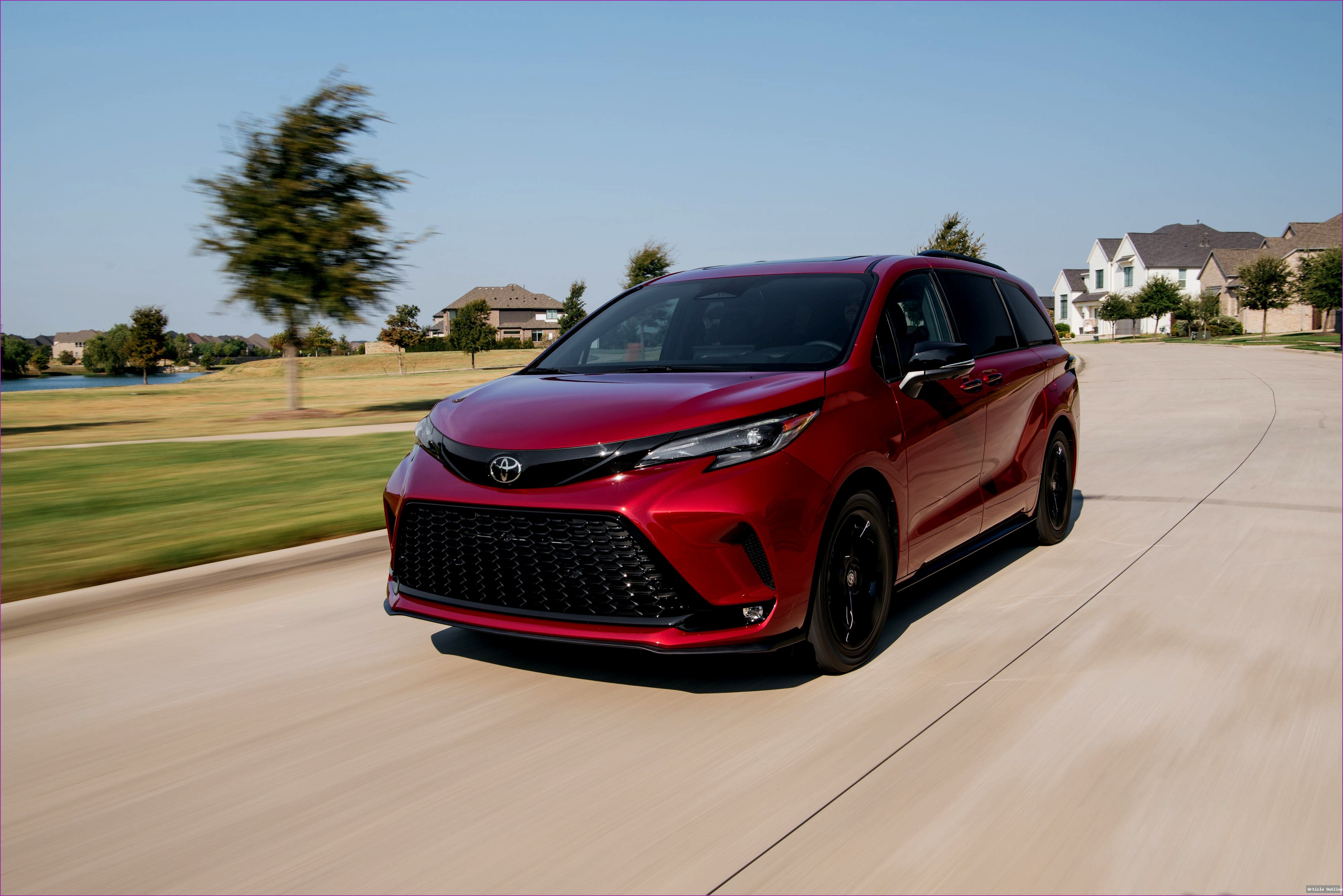
- The Sienna’s external tweaks—sharper lines, bolder grilles—reflect a desire to shed the minivan’s “boring” stigma. It’s still practical, but it’s also aiming to look cool in your driveway.
Key Takeaways
- Incremental improvements matter. A couple of mpg, a handful of horsepower, and a battery swap may not sound exciting, but they make the Sienna more competitive for years to come.
- Toyota is playing the long game. While rivals like Chrysler are experimenting with plug-in hybrid minivans (Pacifica Hybrid), Toyota is sticking with proven tech that appeals to risk-averse buyers.
- Families still want minivans—they just want them smarter, sleeker, and less thirsty.
Industry Context & Comparisons
- Minivan sales may be a fraction of what they were in the 1990s, but over 200,000 minivans are still sold in the U.S. annually (2023 figures).
- The Sienna’s main competitors—the Honda Odyssey and Chrysler Pacifica—are also innovating, but Toyota’s hybrid-first approach has made it one of the most fuel-efficient options in the class (current Sienna EPA: 36 mpg combined).
- Most automakers are pushing toward EVs, but Toyota’s focus on hybrid tech shows a more gradual, less risky path to lower emissions—especially important in a segment where range anxiety and charging infrastructure are big concerns for families.
Timeline: The Sienna’s Evolution
- 1997: First-generation Sienna launches.
- 2020: All-new Sienna debuts as hybrid-only, a segment first.
- 2027: Sixth-generation Sienna arrives, with upgraded hybrid system and lithium-ion battery.
Pros & Cons Analysis
- Pros:
- Improved fuel economy and emissions
- Modern battery tech = less weight, more cargo, better reliability
- Sharper exterior design, less “minivan shame”
- Cons:
- Not a true EV—some buyers may want full electrification
- Modest power gains might disappoint speed enthusiasts
“Toyota believes the changes are worth a couple of mpg. A small gain, sure, but a gain nevertheless.” — and that’s the kind of incremental improvement that has defined Toyota’s approach for decades.
The Bottom Line
The 2027 Toyota Sienna isn’t about radical reinvention—it’s about steady, thoughtful evolution. For families who want dependability, economy, and a splash of style, it’s hard to argue with Toyota’s formula. The Sienna may not grab headlines like a new EV, but its real-world improvements will be felt in driveways and on highways across America for years to come.