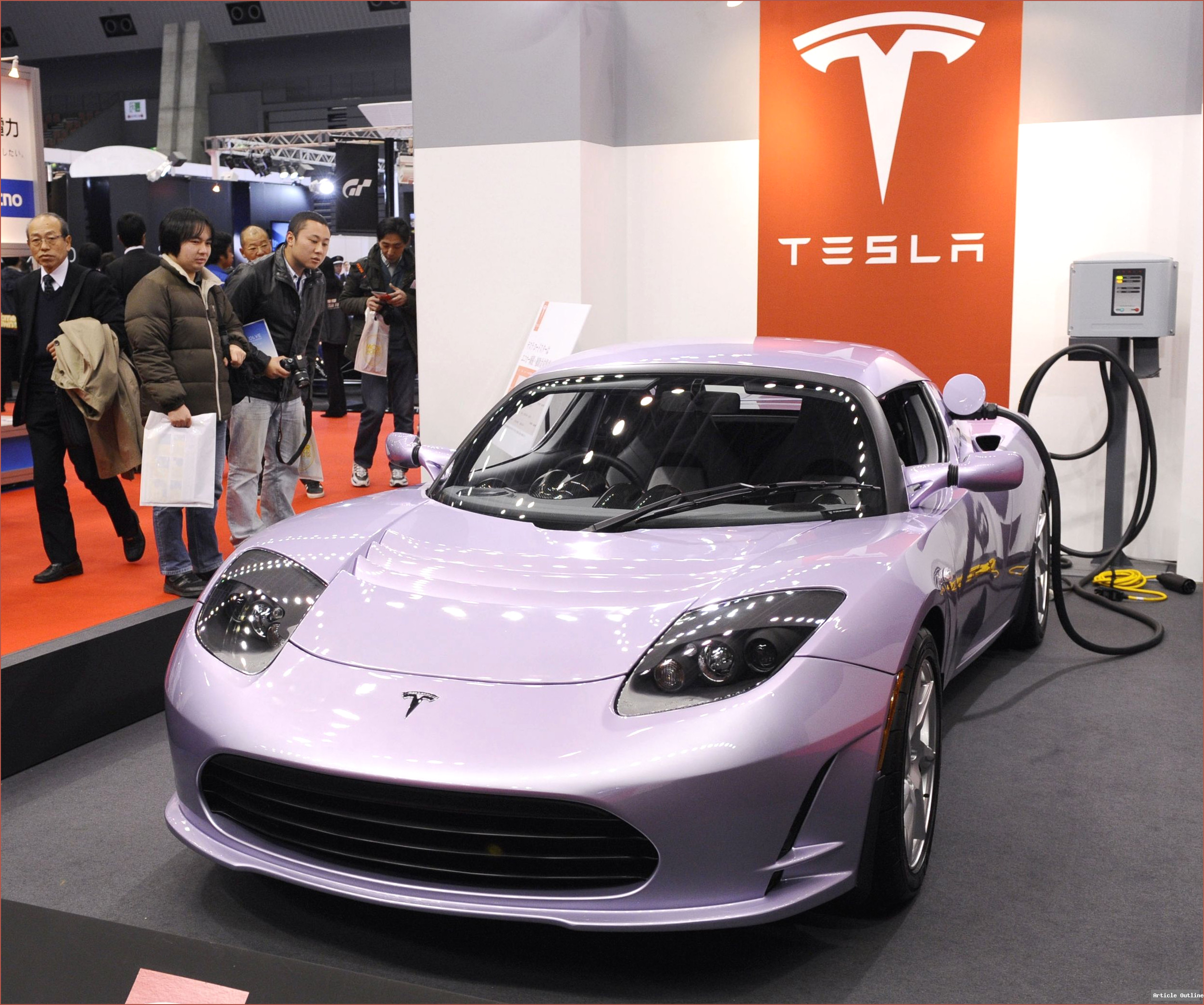
The long-awaited Tesla Roadster 2 is finally set to debut, a full nine years after Elon Musk first shocked the world with his promise of the “fastest sports car ever made.” But as the curtain rises on Tesla’s last human-driven vehicle, the electric vehicle (EV) landscape has shifted dramatically—and not necessarily in Tesla’s favor.
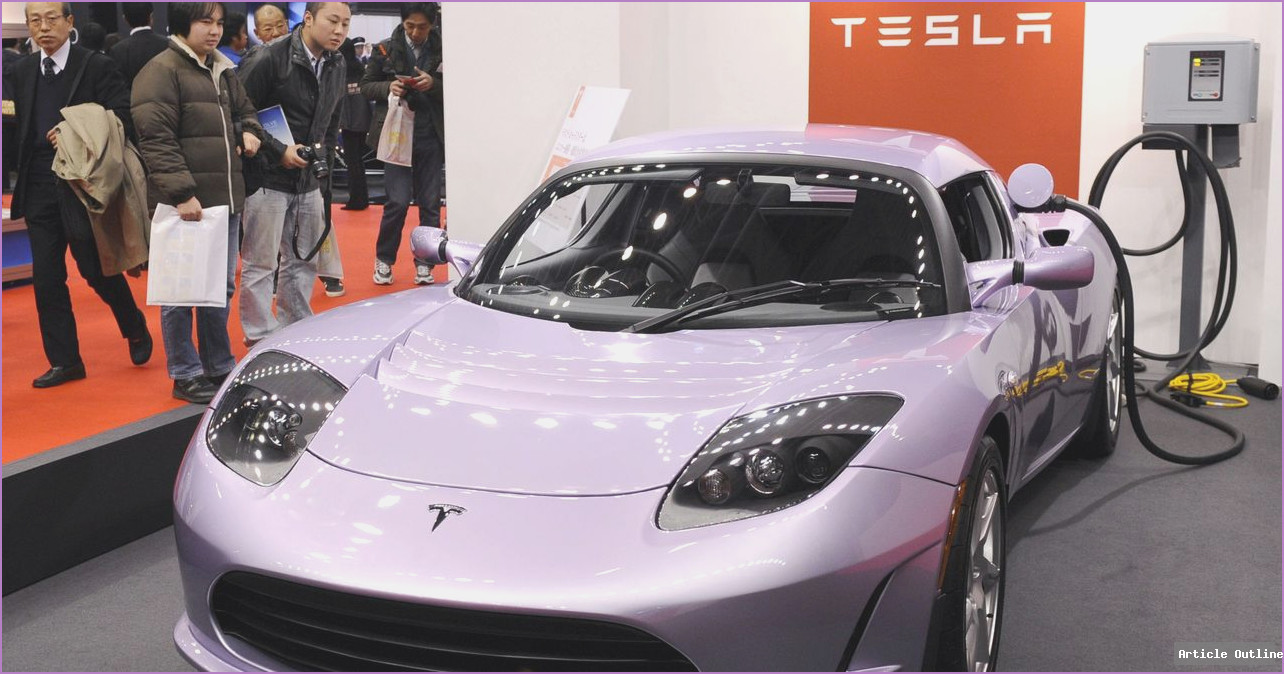
Is the Roadster 2 still the electric revolution’s crown jewel, or is it an anachronism in a market that’s become more pragmatic, more crowded, and, ironically, less enchanted by hypercars?
Why This Matters
- EV enthusiasm has cooled: In 2017, the Roadster 2 symbolized a new era—one where electric cars would humiliate gas-guzzlers on the track and redefine luxury. Fast forward to 2026, and the U.S. EV market is shrinking, not growing, thanks to shifting government policies and a more cautious consumer base.
- The market has matured: In 2017, U.S. buyers had about 15 EV options. Today, they face nearly 90. With this expansion, buyers have become more practical, prioritizing range, charging, and resale value over flashy acceleration.
- Hypercar hype is waning: The luxury market is split. Some brands, like Porsche and Ferrari, are still flirting with electrics, but others—Lamborghini, for one—are shelving EV plans. The cachet of a roaring internal combustion engine (ICE) is making a comeback among the ultra-wealthy.
What Most People Miss
- The Roadster 2 is Tesla’s swan song for human-driven cars. Elon Musk has been clear: Tesla’s future is in autonomy and robotics, not traditional vehicles.
- The Roadster’s tech edge isn’t unique anymore. Sub-2-second 0-to-60 times once seemed wild, but several production cars have since broken that barrier. The Roadster must now compete not just with other EVs, but with hypercars—gasoline and electric—pushing the limits of physics and comfort.
- Deposit holders are still waiting. Some have had $50,000 tied up for nearly a decade—a test of patience, loyalty, or maybe just optimism.
Key Takeaways
- Timing is everything: The Roadster 2 is entering a market radically different from the one it was designed to disrupt.
- EV hypercars now face more skepticism than excitement. Luxury buyers are split between nostalgia for ICE and the novelty of EV performance.
- Tesla’s brand is evolving: With an eye on autonomy, the Roadster 2 might be less about sales and more about making a final, spectacular statement.
Industry Context & Comparisons
- In 2017, Tesla set the bar for electric performance. Today, Rimac’s Nevera, Porsche’s Taycan Turbo S, and Lucid’s Air Sapphire all claim sub-2-second acceleration.
- Even Bugatti’s CEO suggests gas-powered supercars are becoming status symbols again—a reversal of the “electrics will rule luxury” narrative.
- U.S. policy has swung back toward favoring gas vehicles, complicating the picture for all EVs, not just hypercars.
Pros and Cons of the Tesla Roadster 2’s Late Arrival
- Pros:
- Potential for dazzling tech (SpaceX rocket assist, anyone?)
- Unique status as possibly the last Tesla you’ll ever drive yourself
- Still plenty of “wow” factor for the right buyer
- Cons:
- Market has cooled on EV hypercars
- Tech no longer feels groundbreaking
- Deposit holders may be jaded
- Practical buyers have moved on
The Bottom Line
The Tesla Roadster 2 arrives not as the king of a new era, but as the last gladiator in a coliseum that’s already started clearing out. For collectors and speed demons, it’s still an event. For the mainstream market, it’s a curiosity—one that may be more about Tesla’s legacy than its future. Will it “smack down” gas sports cars as Musk promised? Or will it serve as a fast, flashy epilogue to a chapter of EV history already closing?