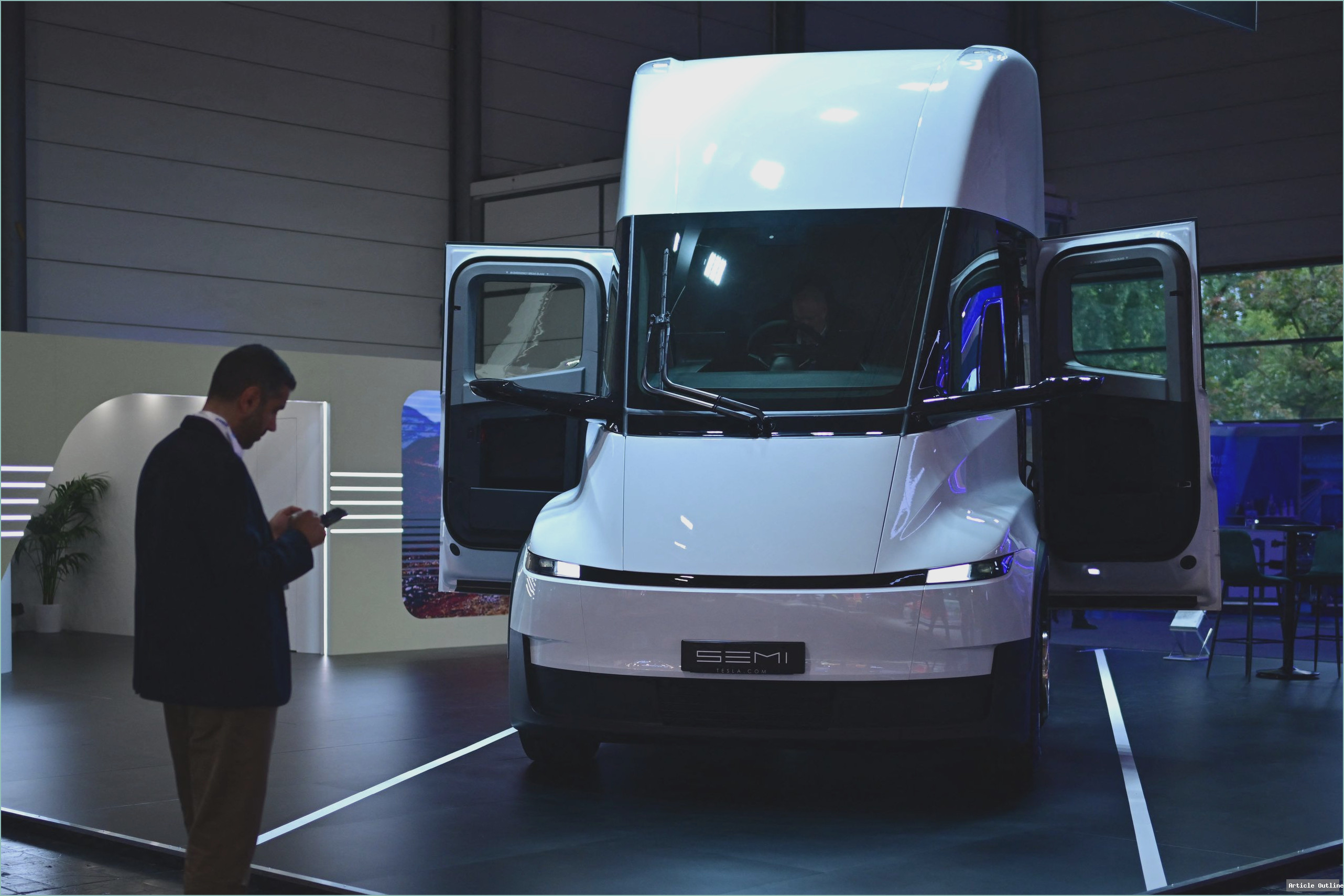
After nearly a decade of anticipation and skepticism, the Tesla Semi is finally rolling off production lines—and it’s not just another electric truck. This debut marks a pivotal moment in clean transportation, and the ripples could reshape everything from fleet management to global emissions targets.
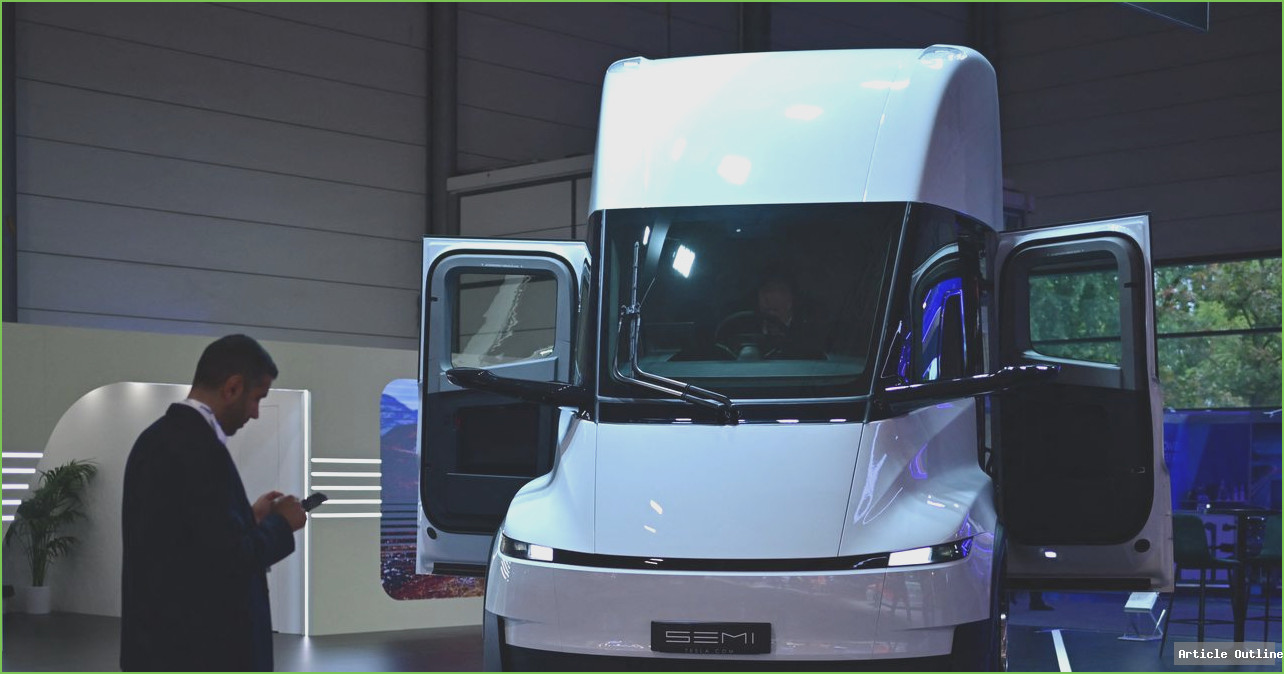
Sure, the launch event in Nevada was exclusive and targeted at fleet managers, but don’t let the niche audience fool you. The implications extend far beyond trucking logistics.
Why This Matters
- Heavy-duty trucks account for approximately 7% of all US greenhouse gas emissions. Electrifying this sector can make a significant dent in national climate goals.
- Tesla’s Semi boasts up to 500 miles per charge, matching the daily range of most US long-haul drivers. This is a practical, not just theoretical, replacement for diesel rigs.
- Recent bulk orders from logistics giants—like Microsoft and PepsiCo—signal real commercial momentum, not just hype.
What Most People Miss
- The economics are shifting—fast. Diesel prices have nearly doubled year-over-year due to global conflicts, making electric alternatives financially attractive for the first time at scale.
- China already has nearly 30% of heavy-duty truck sales as electric. The US is finally catching up, and Tesla’s production ramp could tip the balance.
- Pooling demand among shippers (as seen in the latest 2,500-truck order) drives down costs for everyone—a rarely discussed but crucial market dynamic.
- Most coverage overlooks the charging infrastructure bottleneck. Only two megawatt chargers are currently available publicly in LA, but Tesla aims to open 30 by year-end. This is the real make-or-break factor for adoption.
Key Takeaways
- Tesla Semi’s 500-mile range outpaces most competitors, who top out around 430 miles.
- Federal policy remains a wildcard: recent cuts in EV support and relaxed fuel standards could slow adoption—unless market forces (like high diesel costs) override them.
- The splashy “Full Self-Driving” promise is still on ice. Enhanced Autopilot isn’t ready for the Semi yet, despite being a major talking point since 2017.
Industry Context: Tesla vs. The World
- European and Asian markets are ahead in EV truck adoption, but US fleet orders like this could be a turning point.
- Competitors like Freightliner, Kenworth, Ride, and Volvo offer ranges from 155 to 430 miles—Tesla’s advantage is clear on paper, but real-world reliability and service will be the judge.
Pros & Cons Analysis
- Pros: Lower fuel costs, powerful range, early-mover advantage, and sustainability benefits.
- Cons: High upfront price (2-3x diesel trucks), sparse charging infrastructure, and uncertain policy support.
Timeline: Tesla Semi’s Long Road to Launch
- 2017: Tesla unveils the Semi concept.
- Years of delays, shifting priorities, and public skepticism.
- 2026: High-volume production begins, with large fleet orders finally materializing.
The Bottom Line
The Tesla Semi’s arrival isn’t just a new product—it’s a stress test for the entire US trucking ecosystem. If Tesla can deliver on range, reliability, and charging, the Semi could be the catalyst that pulls American freight into the electric era. But the real story will unfold not on stage, but on highways across the country.