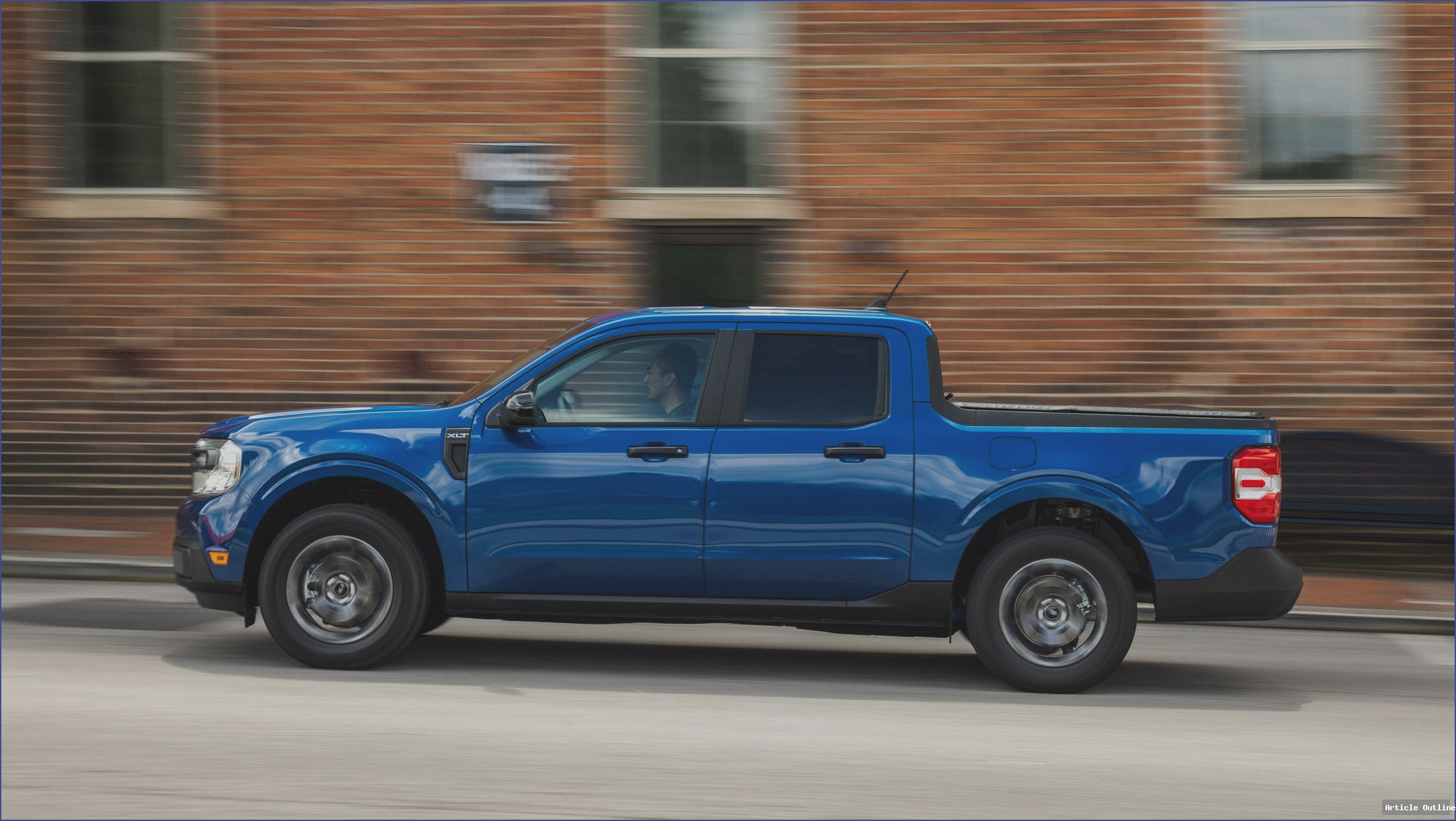
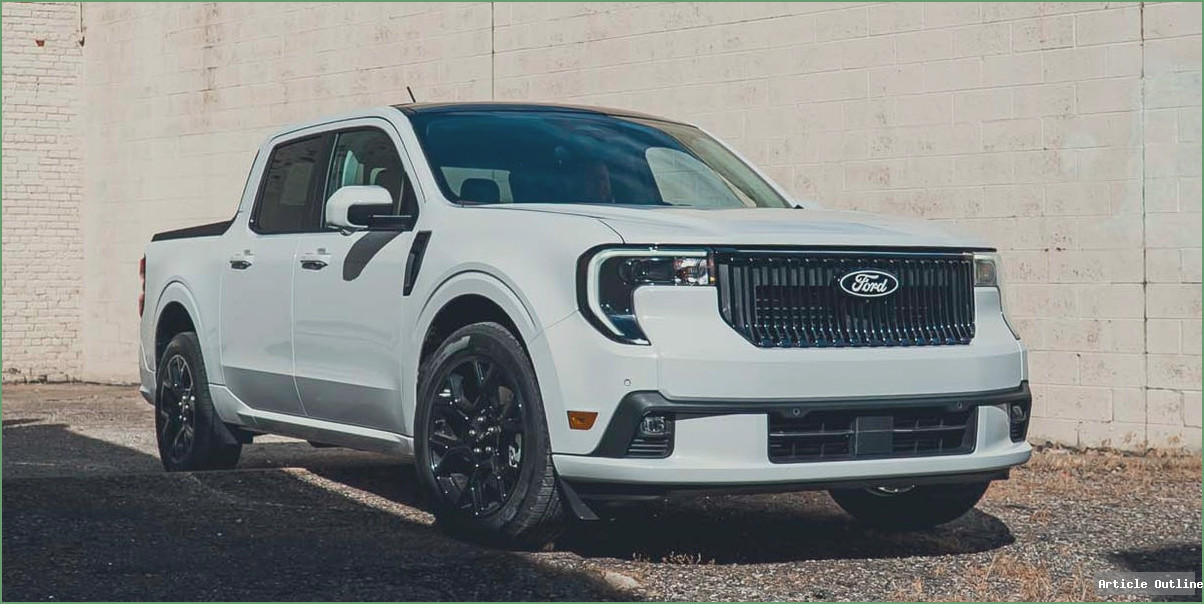
The Ford Maverick has quickly become one of the most talked-about compact pickups in the market, and the 2027 model year brings a pricing and trim shake-up that’s sending ripples through the truck community. Ford has cut prices on its most exciting Maverick trims, but not without some trade-offs that could change how buyers approach this value-packed vehicle.
Why This Matters
- Ford’s move signals a deeper industry trend: automakers are strategically repositioning hybrid and turbo engines to meet both regulatory pressures and shifting consumer demand.
- The Maverick’s new pricing could further accelerate the compact pickup’s appeal, especially among younger and budget-conscious buyers.
- The decision to restrict the powerful EcoBoost engine to higher trims might push enthusiasts toward pricier models—or even into the arms of competitors.
Key Takeaways and Analysis
- Price Drops Where It Counts: The Lobo drops $3,775 to $34,000, Lobo High falls $4,270 to $39,000, and the Tremor matches at $39,000 after a $3,490 cut. These are substantial savings that could tip the scales for buyers eyeing more feature-rich trims.
- Hybrid-First Focus: Both the XL and Lariat trims are now available only as hybrids. Ford is clearly betting on hybrid tech as the backbone for the Maverick’s entry-level appeal.
- EcoBoost Limited: The turbocharged 2.0-liter EcoBoost engine is now off-limits for the base XL trim. The lowest-cost Maverick with this engine is now the XLT AWD, starting at $32,890.
- Base price for the hybrid XL remains at a tempting $29,990—unchanged, keeping the Maverick one of the most affordable trucks in America.
What Most People Miss
- This isn’t just about price cuts—it’s about Ford reshaping Maverick’s customer base. By making the EcoBoost a premium feature, Ford nudges performance-minded buyers up the trim ladder, increasing average transaction prices.
- Hybrid-only base and mid trims align Ford with looming EPA regulations and California’s aggressive emissions targets.
- For fleets and work buyers who loved the base EcoBoost XL, this change could sting—expect to see more Maverick XL Hybrids in commercial use.
- Competitors like Hyundai’s Santa Cruz and the upcoming Toyota Stout will be watching closely—will they follow Ford’s hybrid push?
Industry Context and Comparisons
- Sales Data: The Maverick has been a breakout hit, with over 94,000 units sold in 2023, outpacing many established midsize trucks.
- Comparison: Hyundai Santa Cruz starts at $26,900 but lacks a full hybrid option—giving Ford a unique selling point in this segment.
- Trend: Compact pickups are surging as urban buyers seek utility without the bulk and price of full-size trucks.
Pros and Cons
- Pros:
- Lower pricing on upper trims makes advanced features more accessible.
- Hybrid focus boosts fuel efficiency and future-proofs the Maverick lineup.
- Cons:
- Loss of EcoBoost in base trims takes away the most affordable performance option.
- Some buyers may feel forced into pricier models to get the engine they want.
The Bottom Line
Ford’s Maverick price reshuffle is a win for buyers seeking high-spec trucks at a lower price, but a mixed bag for those who loved affordable performance. This move cements hybrid tech as Ford’s entry-level play while giving the Maverick lineup a sharper, more strategic edge in the competitive compact truck space.
Sources: